Strait of Hormuz Blockade: US-Iran Escalation Sparks Global Energy Crisis
US-Iran military escalation leads to the closure of the Strait of Hormuz, causing a 3% surge in oil prices and sparking global concerns over energy supply and inflation.
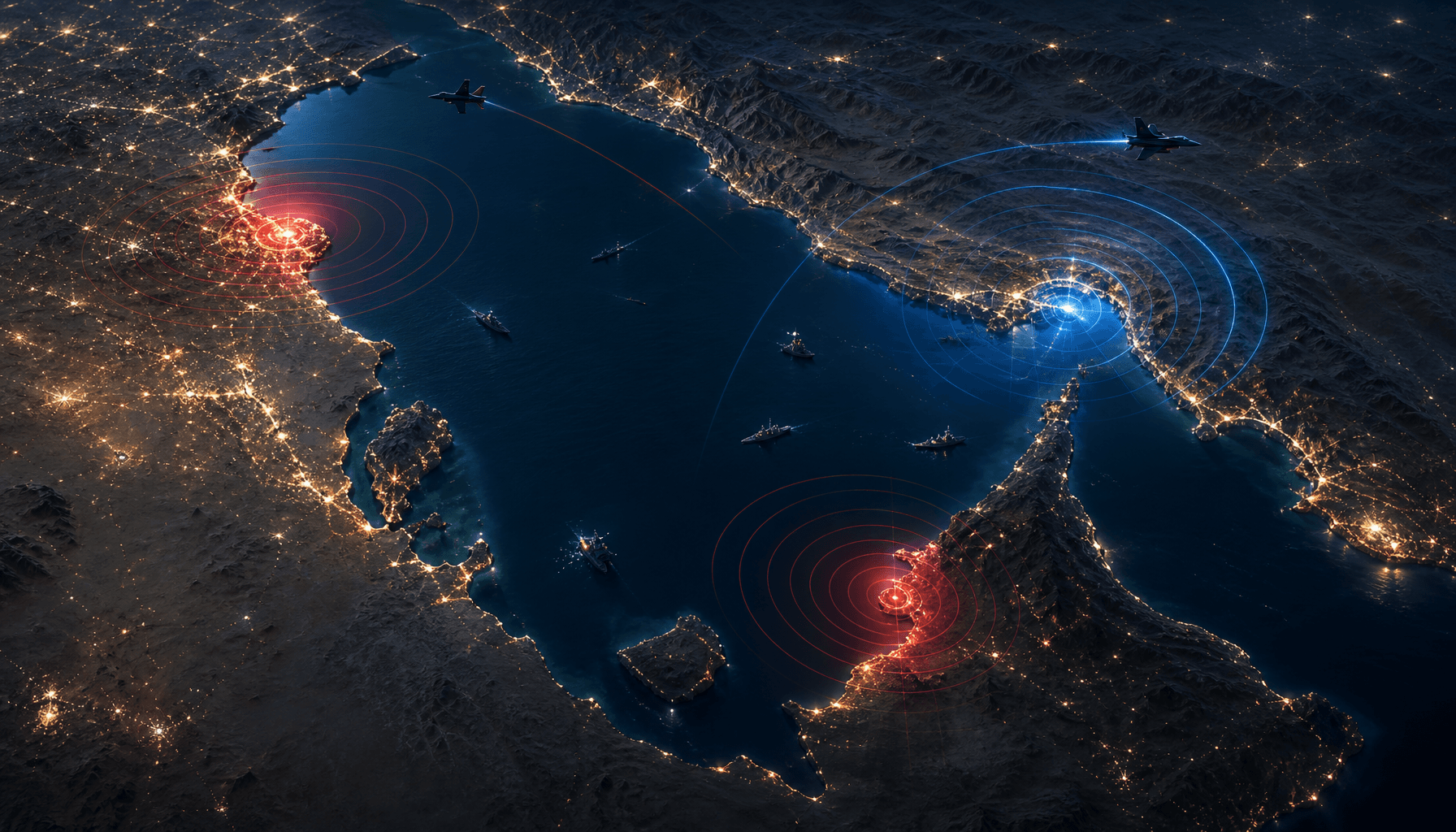
Following attacks on commercial tankers in the Strait of Hormuz, the US launched military strikes on Iran and accelerated oil sanctions, causing a surge in oil prices and global risk-off sentiment.
The Biden administration's federal agencies are implementing sweeping changes to civil rights enforcement, with the EEOC rescinding affirmative action guidelines under Title VII and NASA removing disparate-impact liability provisions from its Title VI regulations.
The IRGC claims to have destroyed eight U.S. military installations in Kuwait and Bahrain in retaliation for U.S. strikes, marking a severe escalation in regional tensions.
The US military conducted strikes on Iranian missile and radar sites following a cargo ship attack in the Strait of Hormuz, endangering a fragile regional ceasefire and raising global supply chain concerns.
Diplomatic efforts between the US and Iran have reached a breakthrough, with a deal nearing completion to reopen the vital Strait of Hormuz, easing regional tensions.
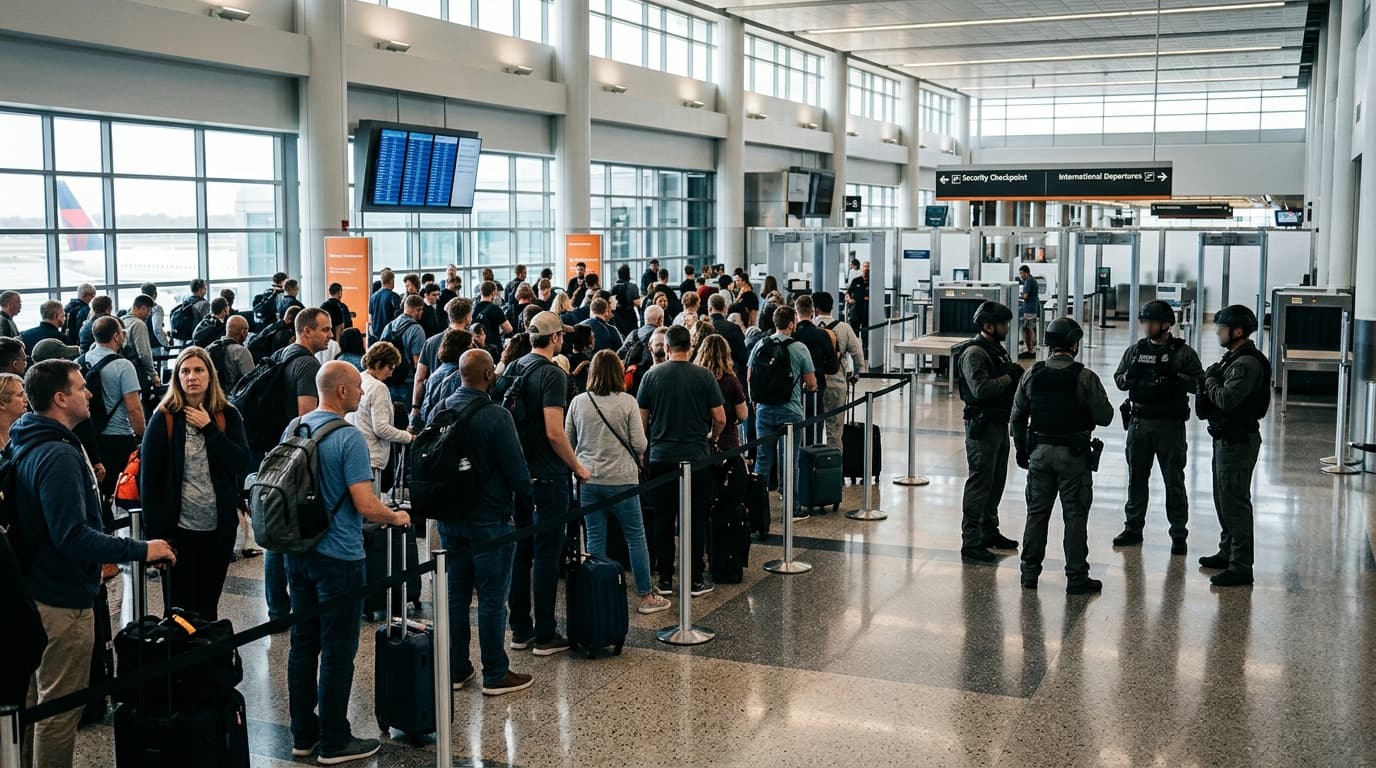
The Trump administration has deployed ICE agents to US airports during a federal shutdown to address security delays, but their active involvement in arrests has raised significant civil liberty concerns.