HKSTP Leads Record Delegation of 41 Firms to BIO 2026 in San Diego
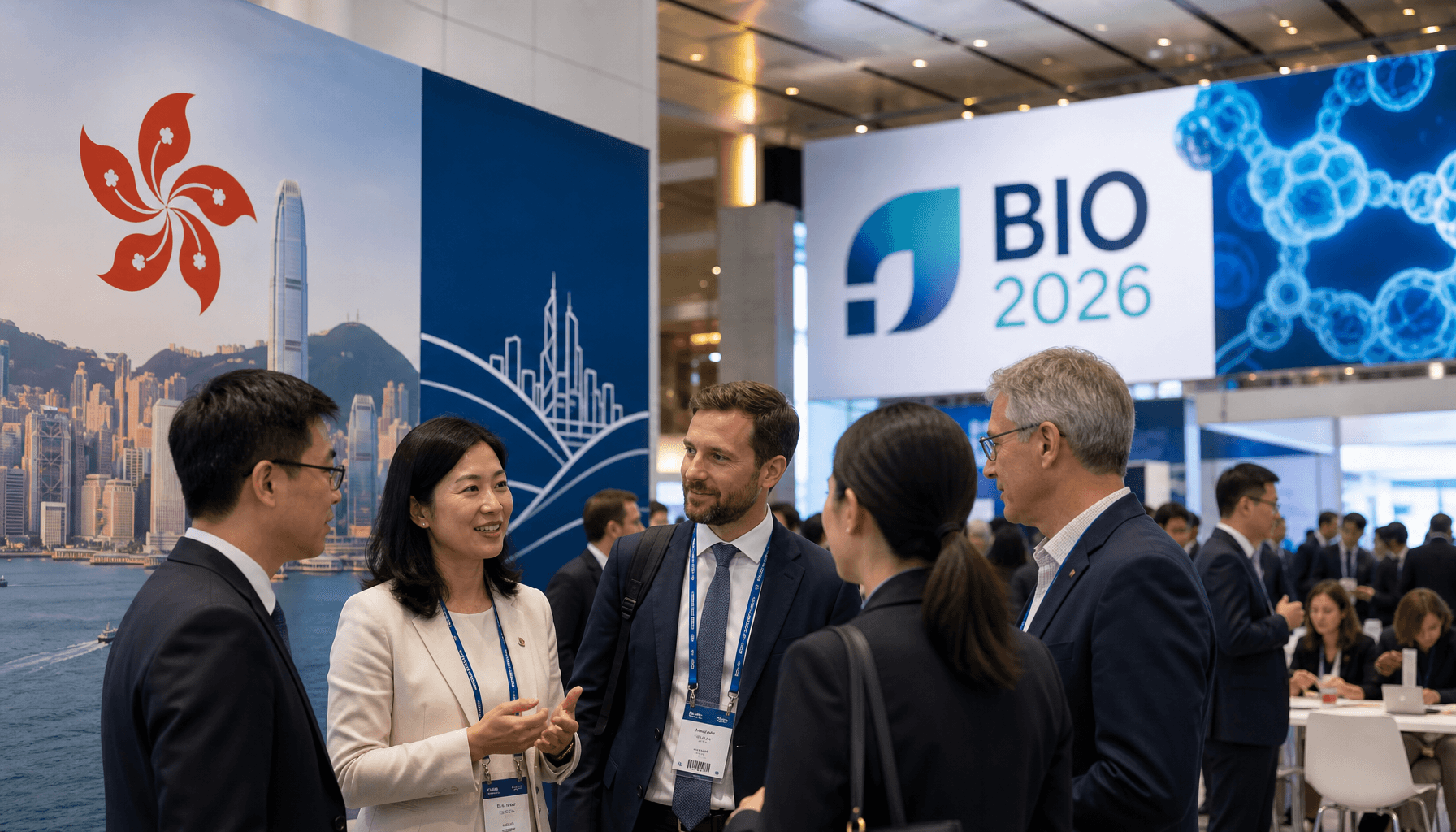
HKSTP led its largest delegation of 41 biotech firms to BIO 2026 in San Diego, aiming to foster global partnerships and establish Hong Kong as a leading biomedical innovation hub.
The biotech industry is seeing increased cross-border collaboration, with progress in GLP-1 obesity treatments and innovations in cellular reprogramming and drug delivery driving global advancements in medical science.
Silicon Valley's interest in performance-enhancing peptides is growing, often linked to the controversial 'Enhanced Games.' While market fervor is high, the lack of clinical safety validation and significant ethical concerns pose major challenges.
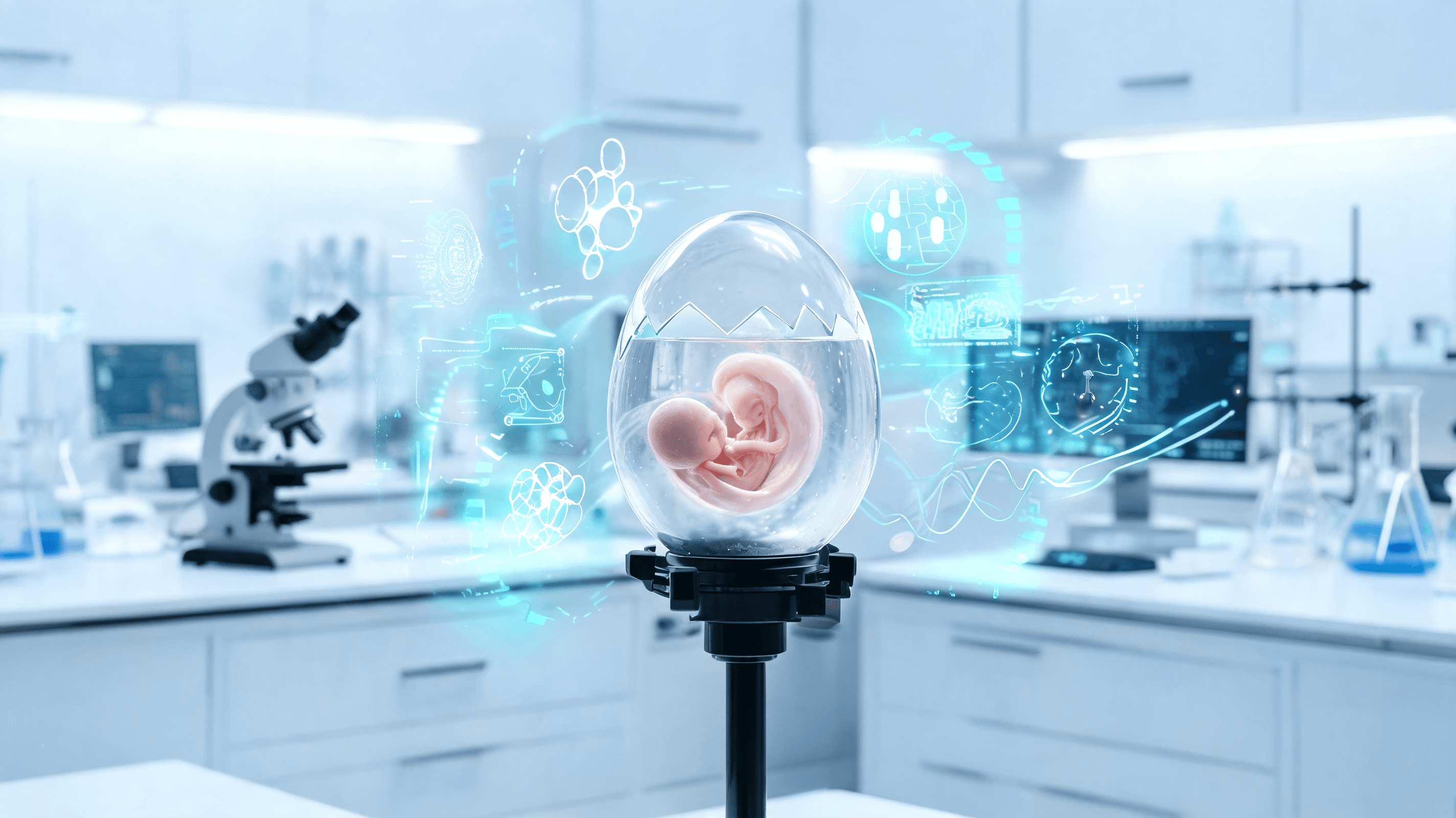
Colossal Biosciences successfully developed an artificial eggshell for incubating chickens, highlighting the rise of 'biological infrastructure.' Meanwhile, AI assistants are accelerating drug discovery and conservation efforts.
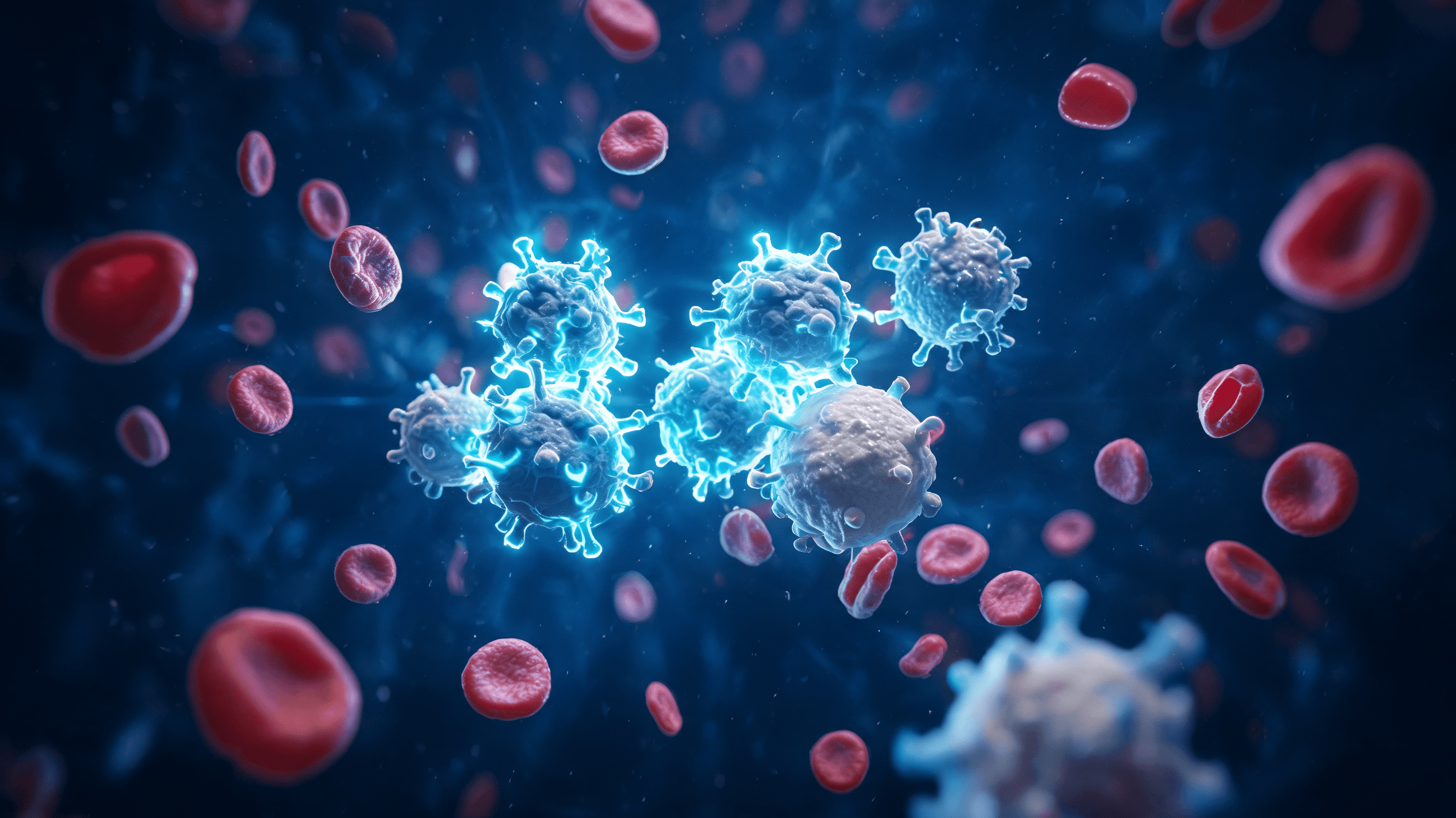
CAR T-cell therapy is expanding from oncology to autoimmune disease treatment; PubMed studies confirm its potential to reset the immune system, offering new hope for conditions like lupus.
Space-based pharmaceutical manufacturing is moving toward commercial reality as partnerships form to leverage microgravity for superior drug production. Despite high costs, technological advancements in transport and AI are accelerating the sector's potential.
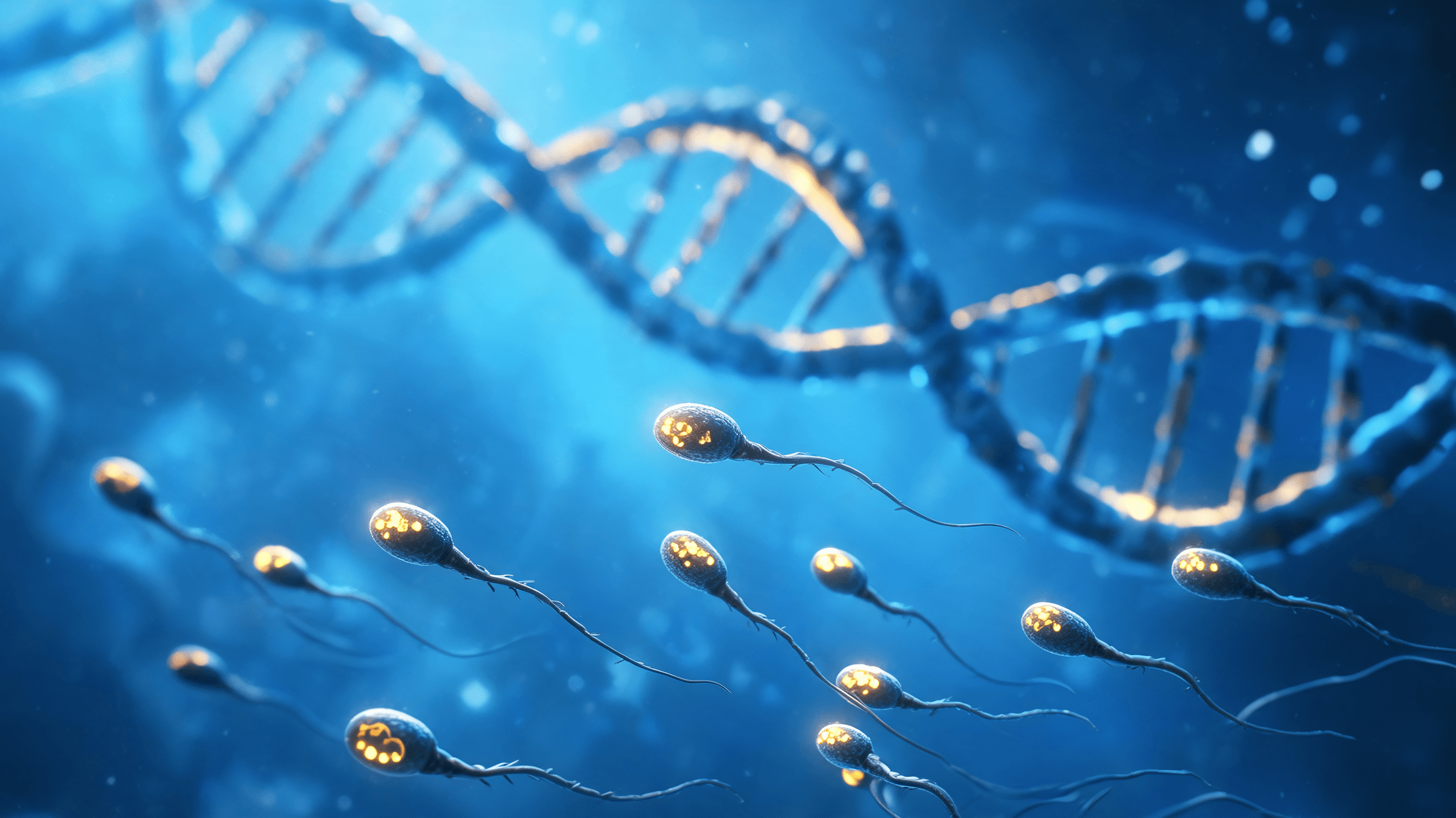
Scientific evidence suggests that a father’s life experiences influence offspring traits via sperm RNA, marking a breakthrough in epigenetics. This paradigm shift could transform disease prevention and precision health strategies.
Moderna's combined mRNA vaccine has been authorized in Europe, revealing a divergence in global vaccine strategy. Europe's proactive approach contrasts with the U.S., where political pressure has stalled application progress, forcing pharmaceutical firms to adopt flexible global strategies.
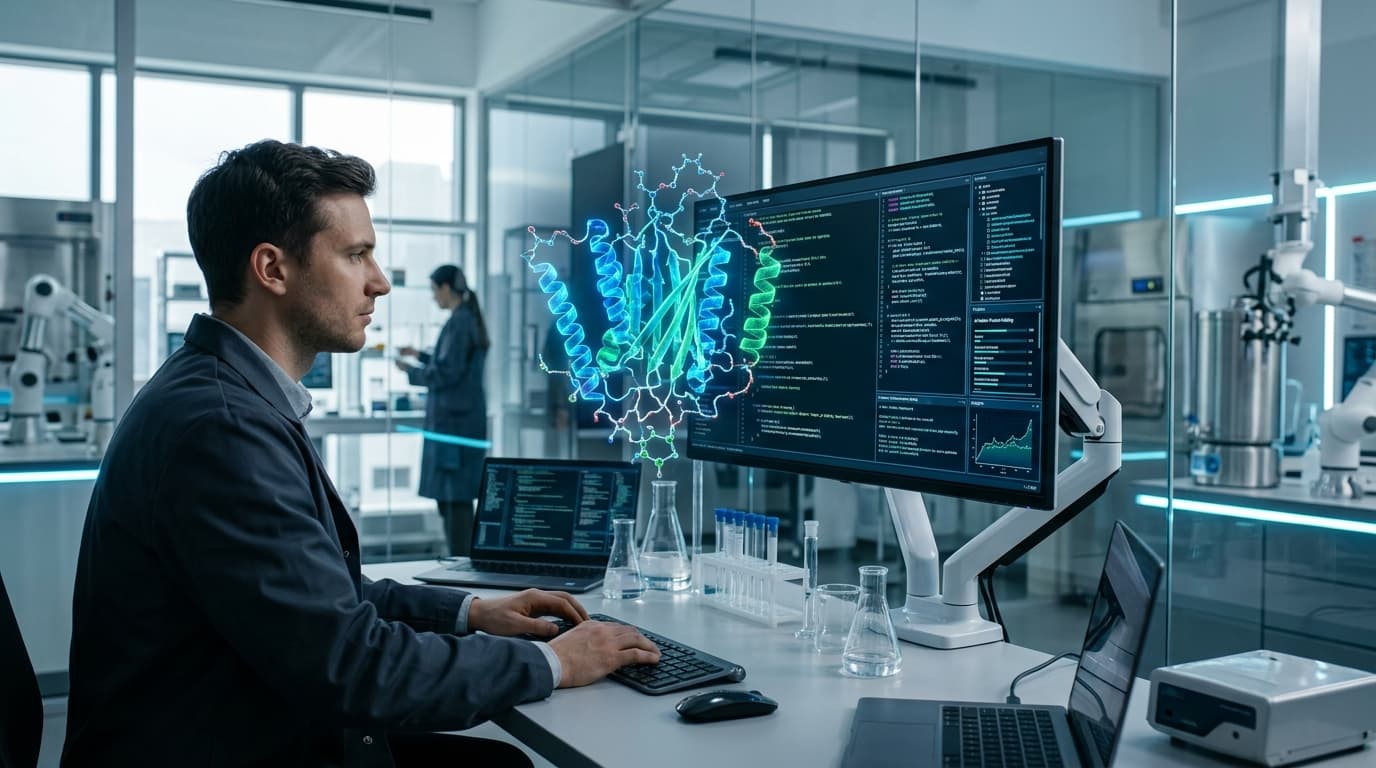
OpenAI has debuted GPT-Rosalind, a biology-tuned LLM designed to streamline fragmented R&D workflows in the life sciences and accelerate drug discovery timelines.
Anthropic has acquired biotech startup Coefficient Bio for $400 million in a deal that signals a strategic move into AI-driven life sciences and drug discovery.
China has approved its first brain-computer interface (BCI) chips for commercial sale, outpacing Western competitors who are still in the clinical trial phase. These chips, focused on neuro-rehabilitation, represent a significant leap in the commercialization of neural implants, backed by robust research in signal decoding and biocompatibility.