A Milestone for Hong Kong's Biotech Internationalization
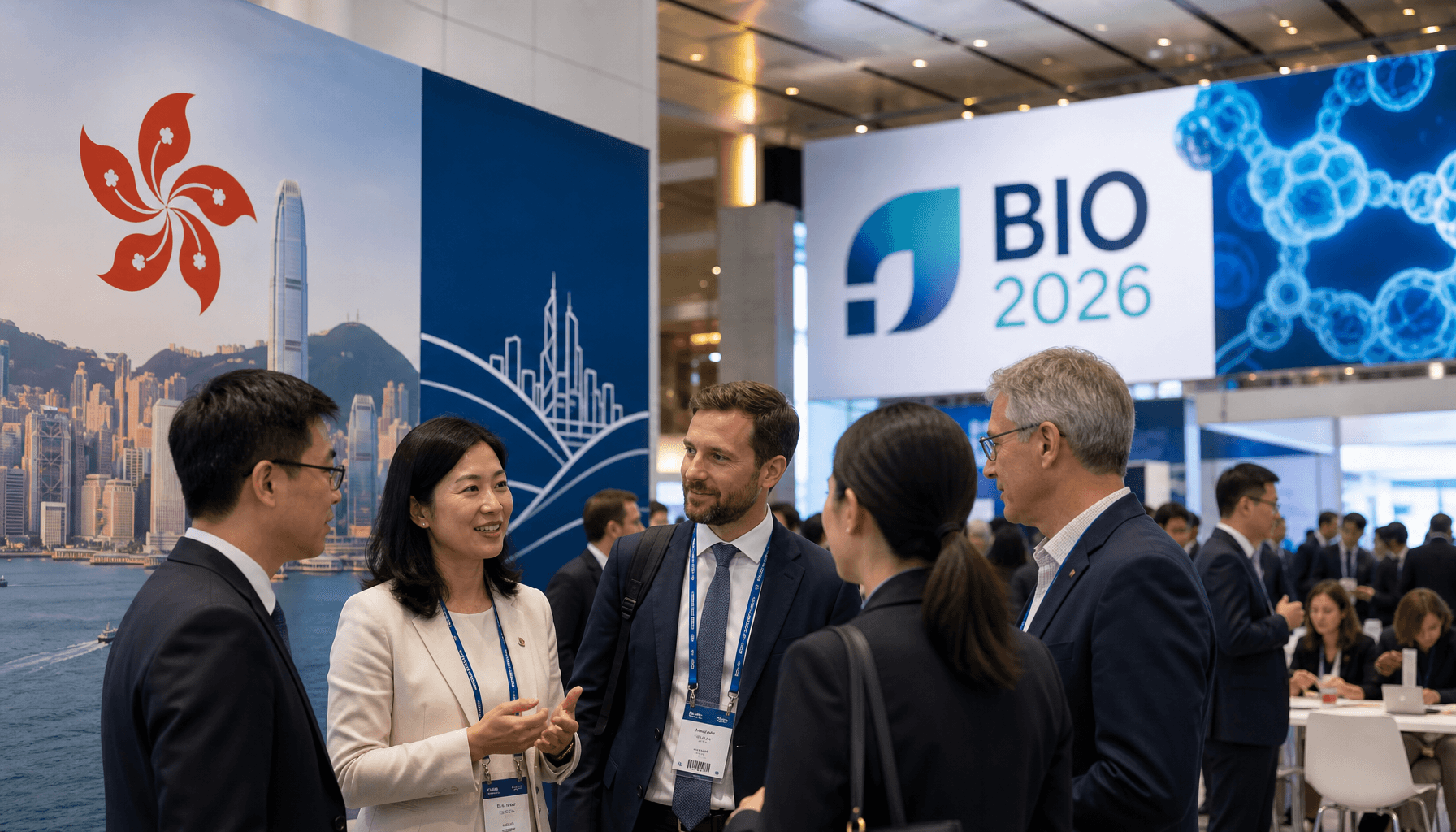
The Hong Kong Science and Technology Parks Corporation (HKSTP) recently led its largest-ever delegation—comprising 41 firms, research institutes, and university spin-offs—to San Diego to participate in BIO 2026, the world's most influential biotechnology conference. This initiative underscores Hong Kong’s strategic commitment to fostering biomedical innovation, building international partnerships, and cementing its status as a global biotechnology hub. Amidst intensifying regional competition, Hong Kong is utilizing such high-impact international exposure to actively court global investors and strategic partners.
Diversity and Innovation of the Delegation
The 41 participating companies span a diverse array of cutting-edge fields, including drug discovery, medical devices, digital health, and AI-driven diagnostics. Under the leadership of HKSTP, these firms gained direct access to global pharmaceutical giants and participated in numerous business-matching sessions to gain deeper insights into global market trends. This 'collective outreach' model effectively mitigates the risks associated with individual startups venturing into foreign markets and establishes a cohesive brand identity for Hong Kong’s burgeoning biotech sector.
Strategic Advantages in a Competitive Market
In the competitive biotech landscape, Hong Kong's strategic advantage lies in its role as a 'super-connector,' bridging the research capabilities of mainland China with international capital and regulatory standards. Market analysis suggests that despite aggressive efforts by neighboring economies to capture biotech market share, Hong Kong maintains a unique advantage in intellectual property protection, capital liquidity, and alignment with international research standards. The focus of the BIO 2026 mission was to showcase Hong Kong’s strength as an incubator for biomedical innovation, particularly in attracting startups with global market potential.
Future Outlook and Key Indicators
This initiative by HKSTP is a key component of a long-term strategic roadmap. Moving forward, the focus will be on the number of concrete partnership agreements or funding projects secured by these firms following the conference. Furthermore, as more multinational pharmaceutical companies establish R&D offices in Hong Kong, the city's role within the biomedical R&D value chain is expected to deepen. Investors should continue to monitor the progress of Hong Kong's biotech firms in clinical trials and market expansion, as these indicators are crucial for evaluating the industry's growth potential.
Conclusion
The BIO 2026 mission was more than just a trade show; it served as a litmus test for the industry's progress. By consolidating the power of its industrial cluster, Hong Kong has demonstrated its determination to become a global biotech center. With a two-pronged approach of enhancing research and development while strengthening international connections, Hong Kong’s influence in the global biomedical landscape is poised for further growth.