The Safety Testing Challenge for Robotaxis
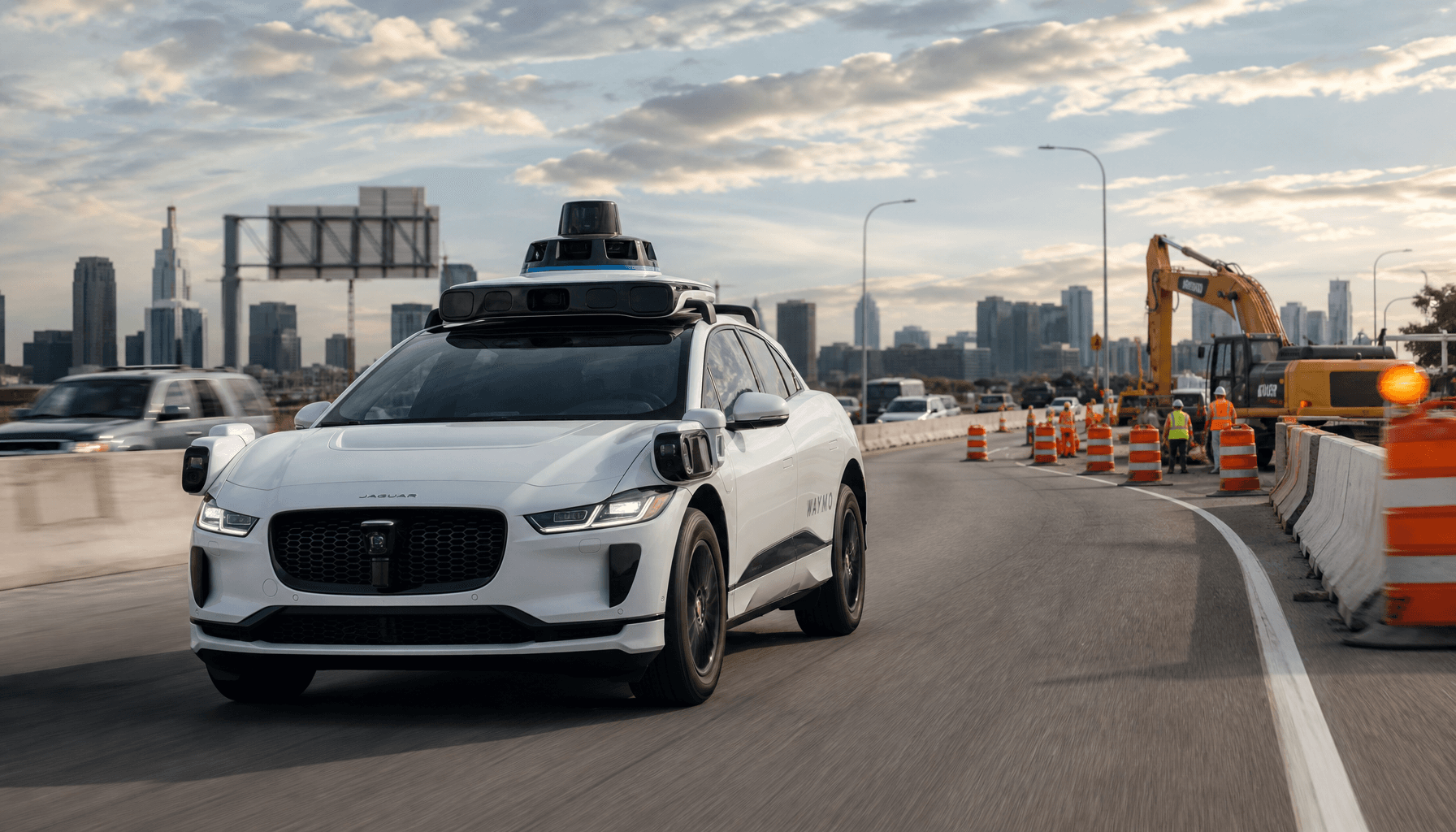
Waymo has recently issued a recall for its robotaxi fleet due to safety risks identified when vehicles navigate freeway construction zones. While this recall involves a software update, it exposes the technical bottlenecks that fully autonomous driving technology still faces when navigating complex road environments. According to reports by Wired, Waymo vehicles have struggled to accurately identify and safely navigate construction zones at high speeds, posing a significant regulatory and technical hurdle for the commercialization of the industry.
Key Developments and Technical Context
The core of an Automated Driving System (ADS) lies in the precise perception of its surroundings. Freeway construction zones often involve irregular lane changes, traffic cones, and changing traffic patterns, which pose immense challenges for AI vision systems. Waymo’s recall aims to optimize the decision-making logic of its vehicles through over-the-air (OTA) software updates. Although Waymo emphasizes that the risk of accidents remains relatively low, this preventive recall reflects Alphabet’s extreme caution regarding safety regulation.
Legal and Regulatory Environment
Recall procedures for autonomous vehicles are strictly regulated by the National Highway Traffic Safety Administration (NHTSA) under the National Traffic and Motor Vehicle Safety Act. Manufacturers are required to take immediate remedial action if a system defect that could lead to an accident is identified. This recall is not only a test of Waymo’s technology but also a stress test for the current regulatory framework for autonomous vehicles in the U.S. How regulators view these 'software recalls' will influence future approval standards for fully autonomous vehicles.
Market Impact and Search Trends
This topic has reached a search popularity score of 88 in California and 54 in Taiwan. Public attention toward autonomous vehicle safety continues to rise. As Waymo expands its testing to more cities, how it handles dynamic environments like construction zones will be critical to consumer trust. Industry analysts believe that while such recall events are short-term setbacks, they are a necessary process to drive industry standardization and safety enhancements in the long run.
Future Outlook
In the coming months, Waymo will focus on resolving navigation issues in construction zones through simulation testing and real-world data verification. Investors and regulators will closely monitor the software update progress of its fleet. For the autonomous driving industry, the challenge of achieving near-zero accidents while maintaining operational efficiency remains the largest hurdle to large-scale deployment.