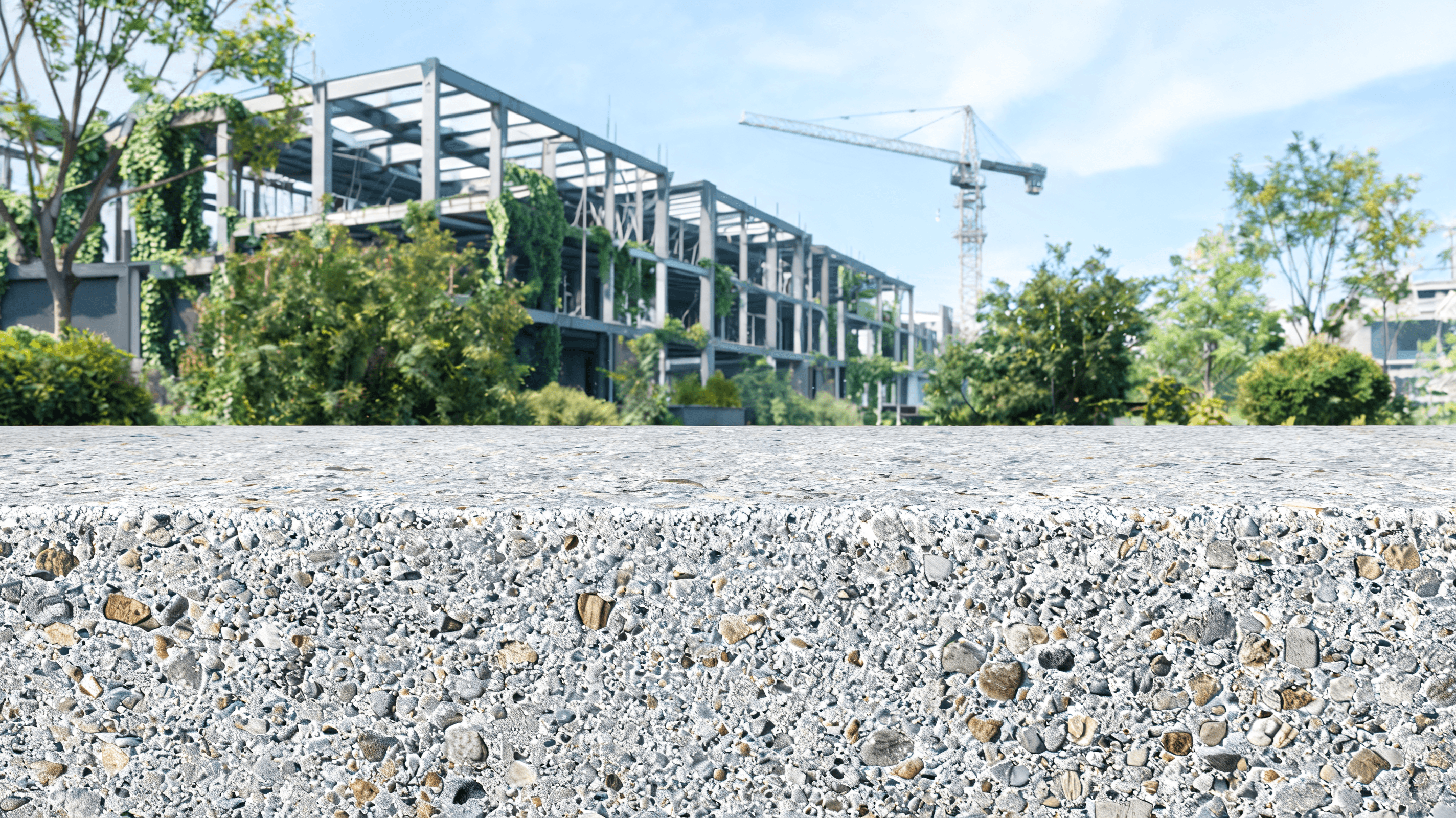
The Net-Zero Transition in Construction
With global climate targets tightening, the construction industry, as one of the primary sources of carbon emissions, is facing immense pressure to transform. In recent international conferences, academia and industry have collectively focused on innovations for a "net-zero built environment," particularly regarding the development of novel materials and the optimization of structural management. Research published in PubMed confirms that mineral carbonation and sustainable cement replacements are key technologies for reducing CO2 emissions in the construction sector.
Key Technologies and Research Progress
Mineral carbonation technology locks carbon dioxide permanently into concrete structures, not only reducing emissions but also significantly enhancing the durability of building materials. Researchers at workshops focused on LCC hydration have pointed out that optimizing the hydration process can reduce dependency on high-carbon cement. Studies indexed in PubMed (such as PMID 42048922 and 41138053) confirm that these materials can effectively incorporate recycled construction waste, creating a closed-loop for the circular economy.
Market Trends and Search Interest
This topic has reached a search interest score of 85 in California, reflecting a strong demand for green building technology in the North American market; meanwhile, the search interest in Taiwan is 62, indicating industry attention to material transformation under ESG regulations. Market analysis suggests that as regulatory requirements for building carbon footprints become stricter globally, the commercialization of these net-zero materials will accelerate significantly.
Regulatory Environment and Future Outlook
Building codes are shifting from a focus on "structural strength" alone to "lifecycle carbon footprints." In the future, the carbon credits of building materials will become a critical competitive factor for contractors. Experts predict that within the next decade, traditional cement will gradually be replaced by low-carbon alternatives, and carbon mineralization technology will become a standard feature of green buildings.
Conclusion
Based on the consensus from international conferences, the future of the construction industry lies in technological integration—combining innovations in material science with structural management practices to achieve true net-zero emissions. As technology matures and costs decline, the construction sector will transition from a major carbon emitter to a significant site for carbon sequestration.