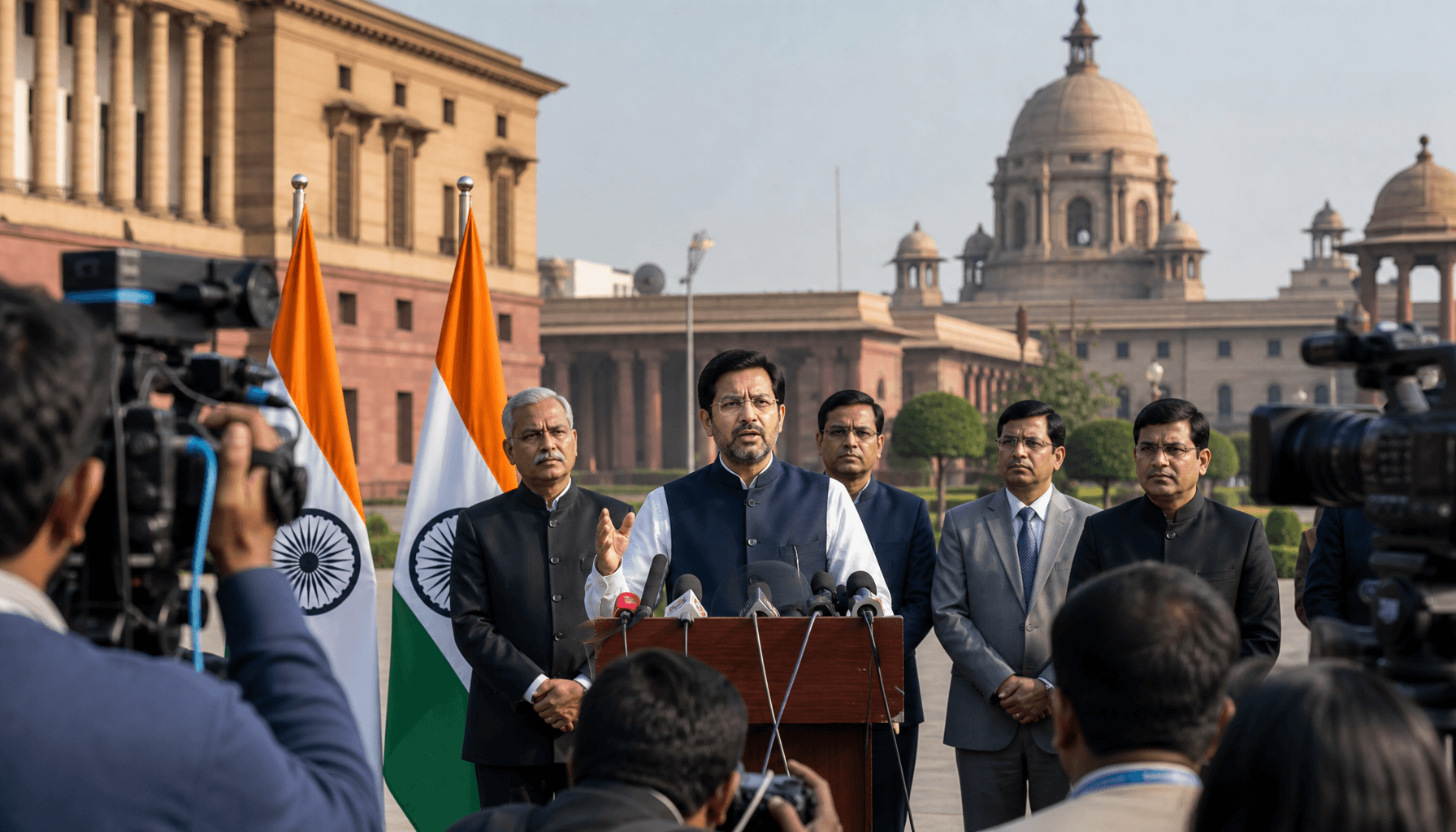
Political Shake-up in India: Education Minister Resigns Over NEET Scandal
India's education sector has been rocked by significant instability following 36 days of nationwide student protests. Union Education Minister Dharmendra Pradhan has officially resigned from his post, a move widely perceived as a strategic effort by the ruling government to alleviate social unrest and political pressure stemming from the NEET-UG examination scandal. Prahlad Joshi has since assumed the role, signaling a shift in administrative strategy as the government attempts to stabilize the volatile education landscape.
Anatomy of the NEET-UG Examination Crisis
At the center of the controversy is the alleged leakage of question papers for the NEET-UG medical entrance examination. Given the scale of the exam, which dictates the career paths of millions of students, the breach triggered widespread public outcry regarding fairness and system integrity. According to reports from the Economic Times, student protests escalated rapidly as participants demanded accountability for the systemic failures that allowed the leaks to occur. Amit Shah, the Home Minister, emphasized that students' welfare remains a top priority, stating that no position is more important than the future of the nation's youth.
Legal Reforms and Legislative Action
In response to the crisis, the Indian government has invoked the Public Examinations (Prevention of Unfair Means) Act, 2024. Legal experts highlight that this legislation is a critical stop-gap measure designed to lower political temperatures while establishing a more robust criminal framework for examination malpractice. The government has pledged to utilize fast-track courts to adjudicate pending cases, aiming to restore confidence in the examination process through swift and decisive legal action.
Market and Social Impact Analysis
Data from search trends indicates that the interest in 'NEET scandal' and 'Education Minister resignation' has hit record highs across India. The issue transcends the education sector, tapping into broader debates regarding youth unemployment and social mobility. In key states, search interest metrics have reached levels exceeding 85, reflecting the intensity of public engagement. The political fallout continues as opposition parties demand an apology from Prime Minister Modi, citing alleged police misconduct during the protests, further complicating the government's efforts to move past the crisis.
Future Outlook and Key Watchpoints
Looking ahead, the focus remains on whether Prahlad Joshi can effectively stabilize the administrative machinery of the Ministry of Education. Key watchpoints include the practical implementation of the 2024 Prevention of Unfair Means Act and the government's ability to introduce structural, perhaps digitized, safeguards for future examinations. As the next exam cycle approaches, the government faces immense pressure to prove that its commitment to reform is more than a mere political reshuffle, with the academic community watching closely for tangible improvements in institutional transparency.