Background and Context of the Policy Shift
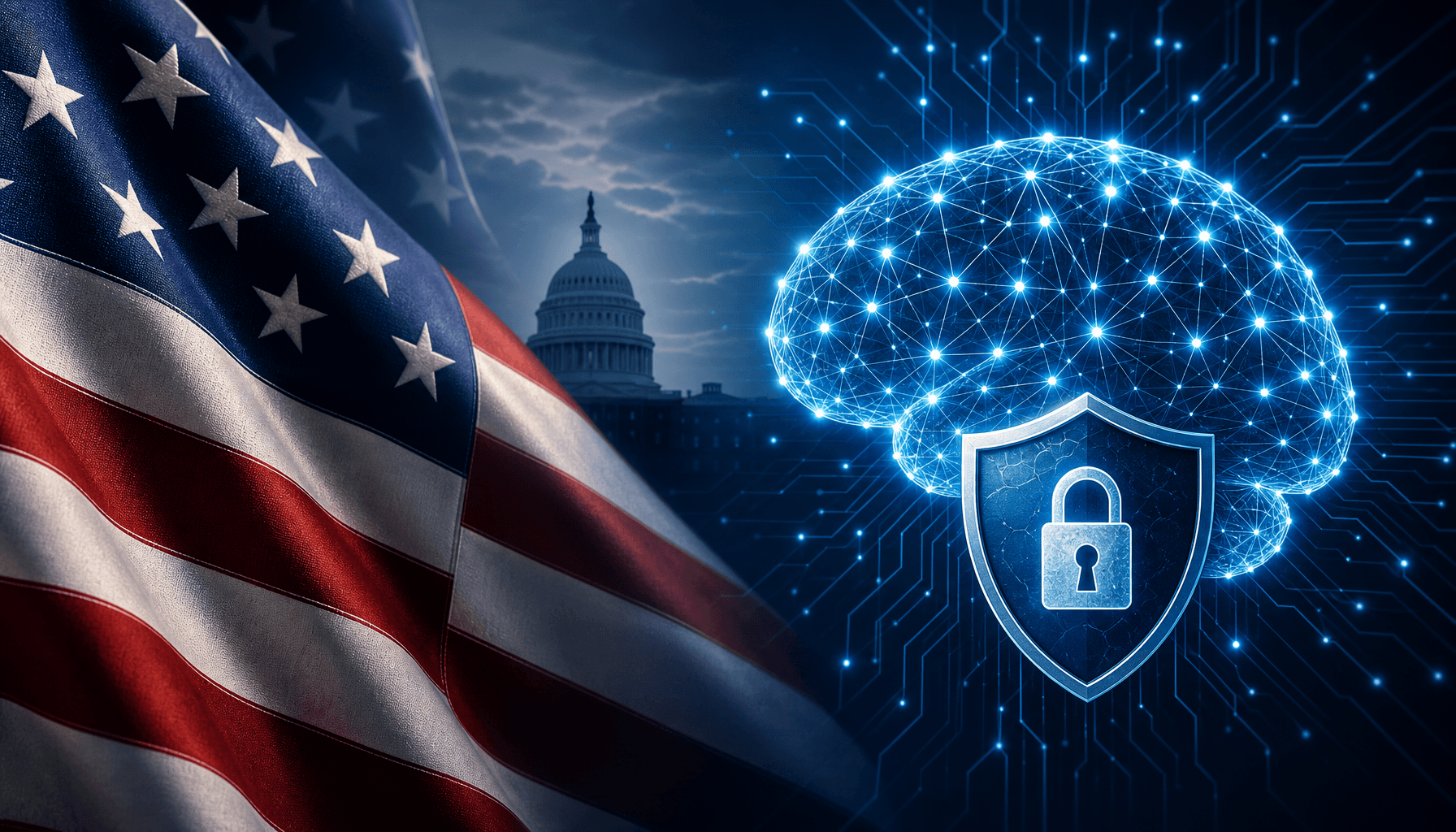
In a significant pivot, former U.S. President Donald Trump has indicated that he no longer views the AI company Anthropic as a national security threat. This statement marks a major shift in his stance toward one of Silicon Valley’s leading AI labs. Previously, Trump had openly questioned whether the company’s model development processes included sufficient safeguards against foreign adversaries gaining access to advanced AI capabilities. This reversal highlights the dynamic adjustments within U.S. political circles regarding the balance between AI innovation and national security.
Key Developments and Technical Safeguards
According to reports, the change in Trump’s perspective stems from Anthropic’s 'responsible' response to blocking foreign access to their advanced AI models. Anthropic has long prioritized research into Constitutional AI, a method that trains models to adhere to predefined safety guidelines without relying solely on large-scale human labeling. This technical approach mitigates risks related to model tampering and data leakage during the training phase.
Expert Analysis and Data Perspectives
While independent academic or official evidence confirming the legal specifics of this stance reversal remains unverified, industry observers suggest this reflects how 'preventative blocking' has become a form of diplomatic leverage between Silicon Valley and Washington. According to Google Trends data, this topic reached a search interest score of 78 in Taiwan, compared to only 26 in California, suggesting that the risks associated with AI policy are viewed with significantly higher urgency in geopolitical frontline regions than in the tech heartland of the U.S.
Legal and Regulatory Implications
The executive branch maintains broad authority under the International Emergency Economic Powers Act (IEEPA) to regulate transactions and access involving foreign adversaries in the interest of national security. Trump’s initial designation of Anthropic as a threat, and his subsequent reversal, underscore the flexible application of these powers in the AI sector. Compliance-based diplomacy, where companies proactively demonstrate safety measures, serves as a primary instrument for navigating these regulatory waters.
Future Outlook and What to Watch
Looking ahead, stakeholders should monitor upcoming congressional hearings regarding AI oversight, particularly concerning the boundaries between open-source models and restricted access. As the 2026 election cycle approaches, AI regulation will continue to be a focal point for political campaigns seeking to establish authority over technology policy. The key to watch is whether Anthropic will further open its safety architecture to public scrutiny, thereby alleviating long-term administrative concerns.