The Electrification Wave in Transportation
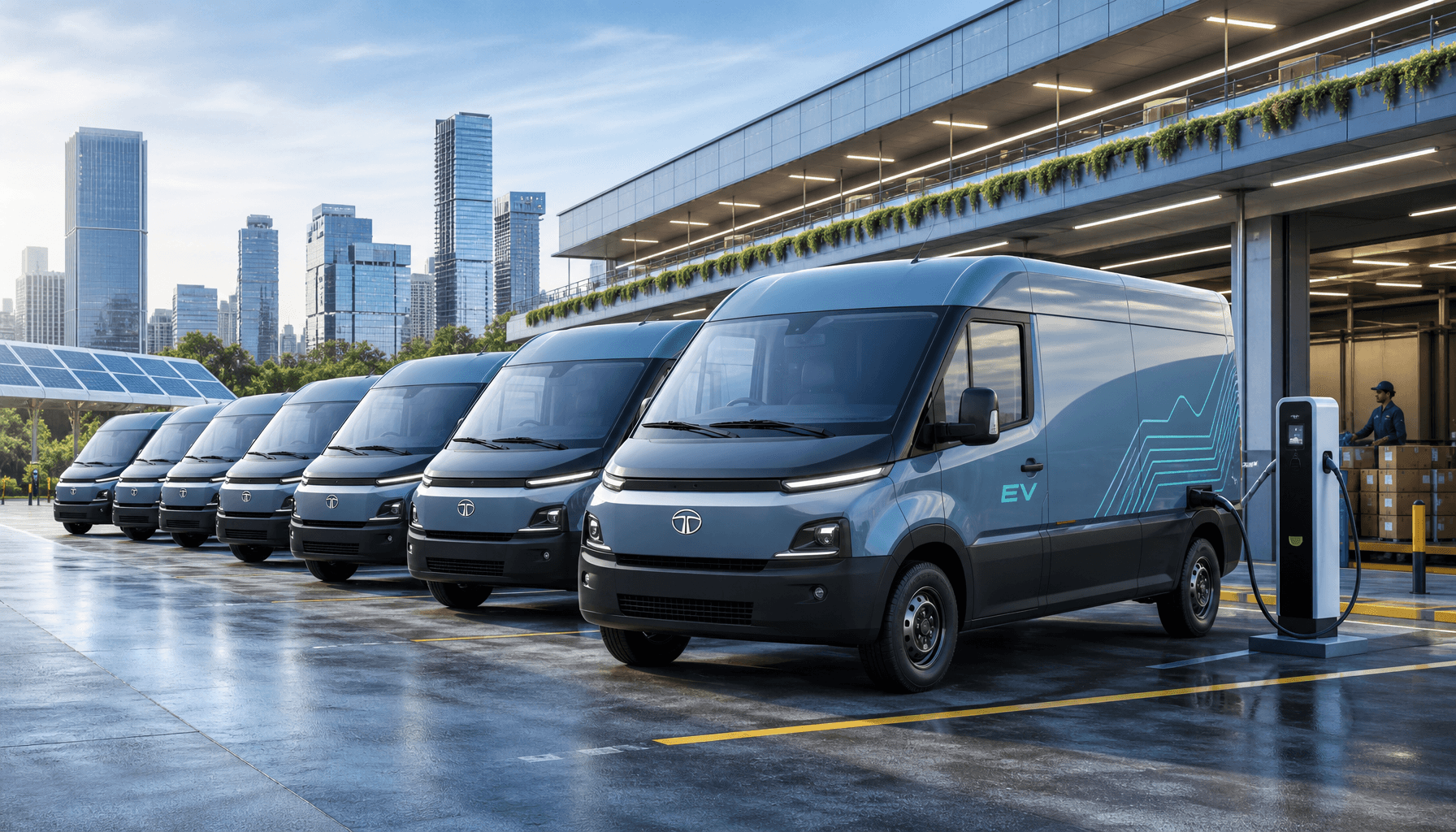
Indian automotive giant Tata Motors recently announced the acquisition of a major order for over 3,400 electric commercial vehicles. This news is being viewed by industry analysts as a significant turning point in the electrification process of India's logistics and transport fleets. Driven by both government policy support and corporate ESG goals, the commercial vehicle sector is shifting toward zero-emission vehicles at an unprecedented pace to reduce long-term operating costs and respond to decarbonization initiatives.
Strategic Significance of the Order
This order for 3,400 vehicles is not merely a product sale; it encompasses a complete ecosystem ranging from vehicle delivery to the deployment of charging infrastructure. According to reports from the Hindu BusinessLine, Tata Motors has begun collaborating with several large logistics companies to provide customized electric van solutions. This "vehicle + infrastructure" integration model addresses the pain points that commercial fleets previously faced regarding range and charging schedules, thereby accelerating the penetration rate of fleet electrification.
Technical Innovation and Market Positioning
Tata Motors' technical advantage in the electric commercial vehicle sector lies in its high-performance battery management system and modular platforms developed for diverse logistics needs. This allows vehicles to maintain stable driving ranges under load, which is critical for last-mile delivery. According to relevant transportation optimization research found on ArXiv, the Total Cost of Ownership (TCO) for electric vehicles in urban delivery routes is now lower than that of internal combustion engine vehicles, which is the core economic driver promoting the scaling of such orders.
Industry Impact and Search Data
Search interest for this topic on Google Trends reached 92 and 85 in Indian industrial hubs like Pune and Bengaluru, respectively, indicating strong attention from both the manufacturing and technology sectors regarding commercial vehicle transformation. Experts point out that as Tata Motors expands its production scale, it is expected to drive an upgrade across the entire Indian automotive component supply chain and attract more international battery suppliers to establish local assembly plants.
Future Outlook and Monitoring
In the coming years, the electrification of commercial fleets will expand from light vans to heavy-duty trucks. Investors should closely monitor the downward trend in Tata Motors' battery production costs and whether government subsidy policies for electric commercial vehicles will continue. As more companies join the zero-emission transport ranks, Tata Motors, as a market pioneer, is poised to gain a critical market share advantage in this industry structural adjustment and further expand its leadership in the Indian electric vehicle market.