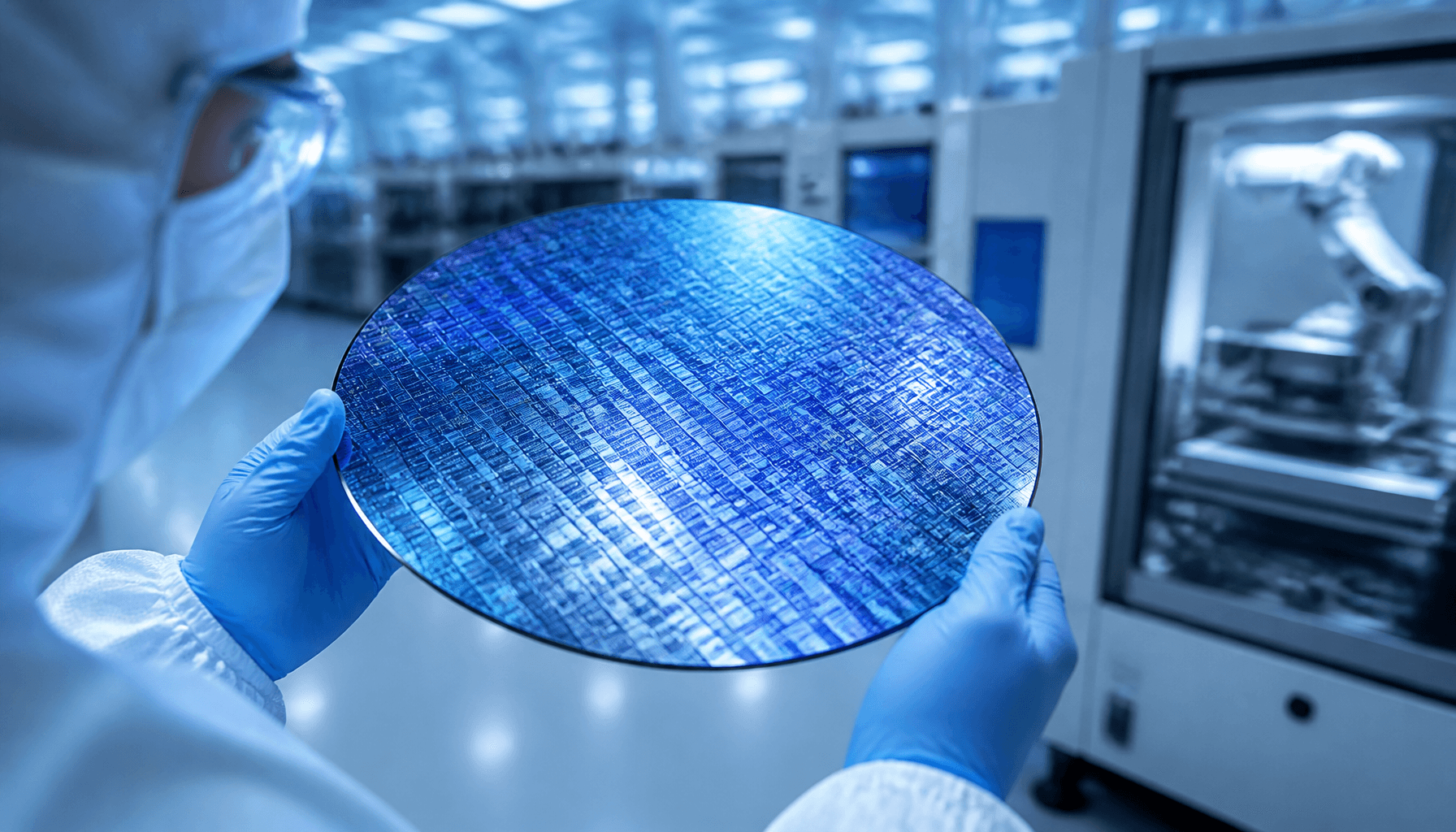
Breakthroughs in Semiconductor Memory
The semiconductor sector is undergoing an AI-driven revolution in memory technology. With the explosion of High-Performance Computing (HPC) demands, memory bandwidth and power efficiency have become critical bottlenecks. SK Hynix recently showcased new memory solutions at FMS 2026, targeting the data bottlenecks inherent in training large language models. These technical advancements are not only increasing computational efficiency but are also laying the groundwork for next-generation AI infrastructure.
The Rise of India's Deeptech Ecosystem
Geographically, capital is flowing heavily into Indian deeptech startups. Recent market data indicates that family offices and venture capital funds are increasingly viewing India as a vital component of the global semiconductor supply chain and software infrastructure. This trend aligns with the global surge in tech infrastructure credit, which has doubled over the past two years, demonstrating that capital markets are actively seeking innovation hubs beyond Silicon Valley.
The Doubling of Infrastructure Credit
According to recent reports, credit extended to the tech infrastructure sector has doubled in two years. This data underscores the high confidence financial institutions have in digital transformation and AI infrastructure construction. Despite macroeconomic volatility, long-term financing demand for data centers, cloud platforms, and semiconductor manufacturing equipment remains robust.
Market Trends and Analysis
According to Google Trends data, search interest for "AI memory" and "semiconductor innovation" is 85 in California and 62 in Taiwan. This highlights Taiwan's position as a global semiconductor manufacturing hub and its sensitivity to changes in memory technology specifications. Investors should monitor whether these new technical standards effectively reduce AI training costs.
Future Outlook and What to Watch
As manufacturers like SK Hynix push new standards, the industry expects a technological inflection point in the memory market by 2027. For investors, the focus is on whether these new standards gain widespread adoption by major cloud providers. Furthermore, subsequent funding trends in the Indian deeptech sector will be a key indicator for assessing the diversification of the global technology supply chain.