Background: The Latent Crisis in Developer Toolchains
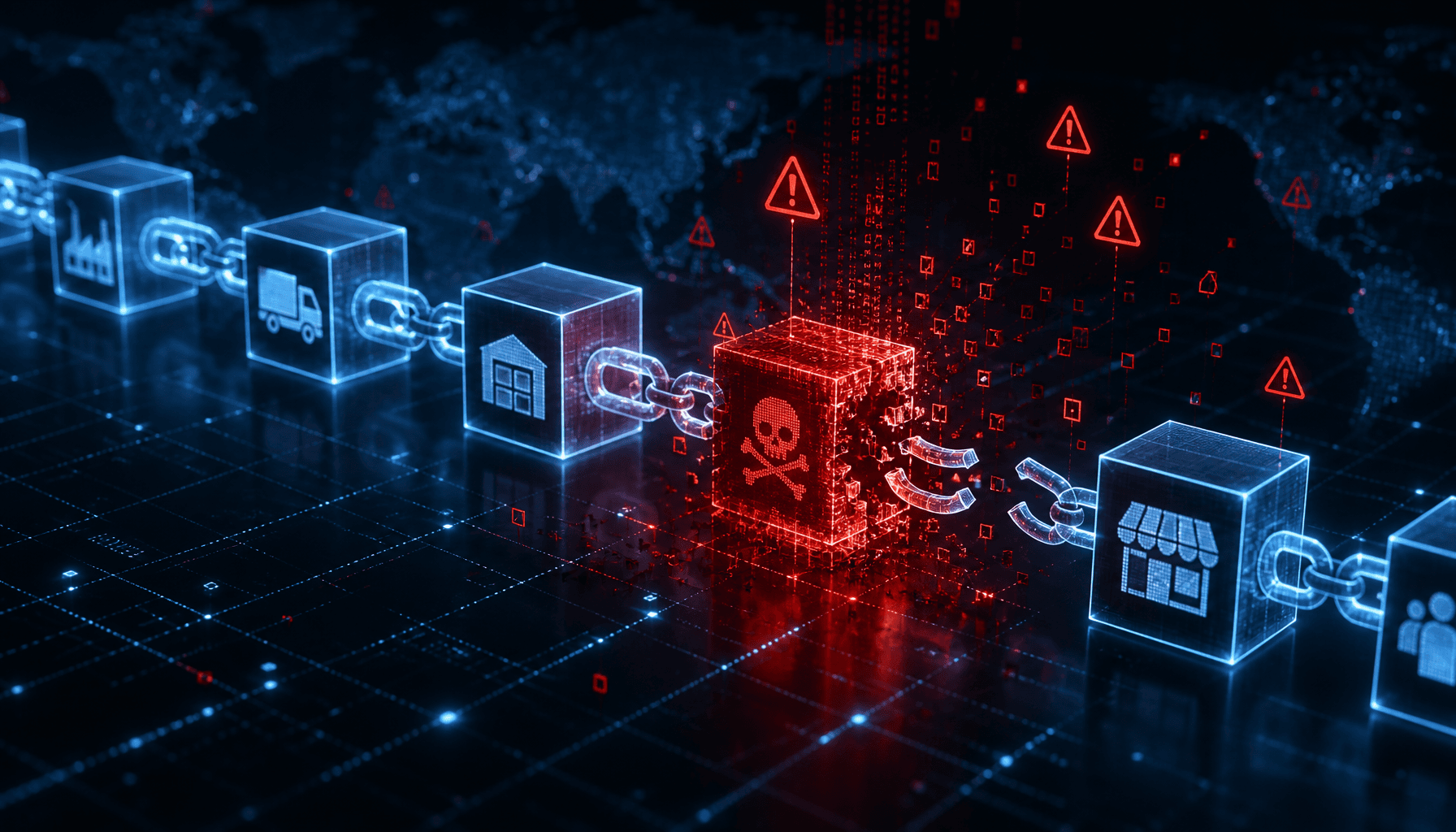
Recently, the AsyncAPI development team confirmed that it had fallen victim to a supply chain attack. The incident occurred in mid-July, during which attackers successfully stole NPM publish tokens to tamper with software packages. This attack did not target vulnerabilities in the codebase itself, but rather stemmed from a common misconfiguration in the CI/CD toolchain: an error in GitHub Actions permissions. The event has served as a wake-up call for the global open-source community, highlighting that the security of developer toolchains has become the weakest link in the supply chain.
Technical Details: The Mechanics of Token Theft
According to the investigation, the attackers, self-identified as "M-Red-Team," exploited improperly protected environment variables and permission configurations within GitHub Actions. When developers fail to strictly limit the permissions of Actions in their workflows, attackers can trigger CI/CD processes through malicious commits to steal high-privilege NPM access tokens. Investigations suggest that the hackers likely used the "Miasma" malware framework, whose source code was previously leaked, to execute this automated attack. The use of publicly available frameworks for targeted attacks significantly lowers the barrier for entry, leaving even complex open-source projects vulnerable.
Industry Impact and Expert Analysis
This incident has received significant attention from the cybersecurity community. Data from research institutions indicates that GitHub Actions misconfiguration is one of the most common hidden threats in open-source projects. The topic has seen a steady rise in search interest among technology professionals, with active discussions in developer forums in both Taiwan and the U.S. regarding the implementation of the "Principle of Least Privilege" in automated workflows. Experts point out that many projects, prioritizing development speed, often grant excessive execution privileges to CI/CD pipelines, overlooking the catastrophic supply chain consequences should those privileges be compromised.
Future Outlook: Strengthening Development Pipeline Defenses
Following the AsyncAPI incident, many projects have begun to implement stricter CI/CD security audits. Looking ahead, developers should adopt several measures: first, strictly restrict the access scope of GitHub Actions Secrets, ensuring publish tokens are used only when necessary; second, regularly review and update CI/CD configurations, and introduce automated scanning tools to detect potential permission misconfigurations; and finally, implement Multi-Factor Authentication (MFA) to protect all critical distribution channels. This incident serves as a reminder that supply chain security is no longer just about preventing malicious code injection; it is also about maintaining a high level of vigilance in managing automated processes.