The Long-Term Challenges of the Semiconductor Industry: Shortage Clouds Persist
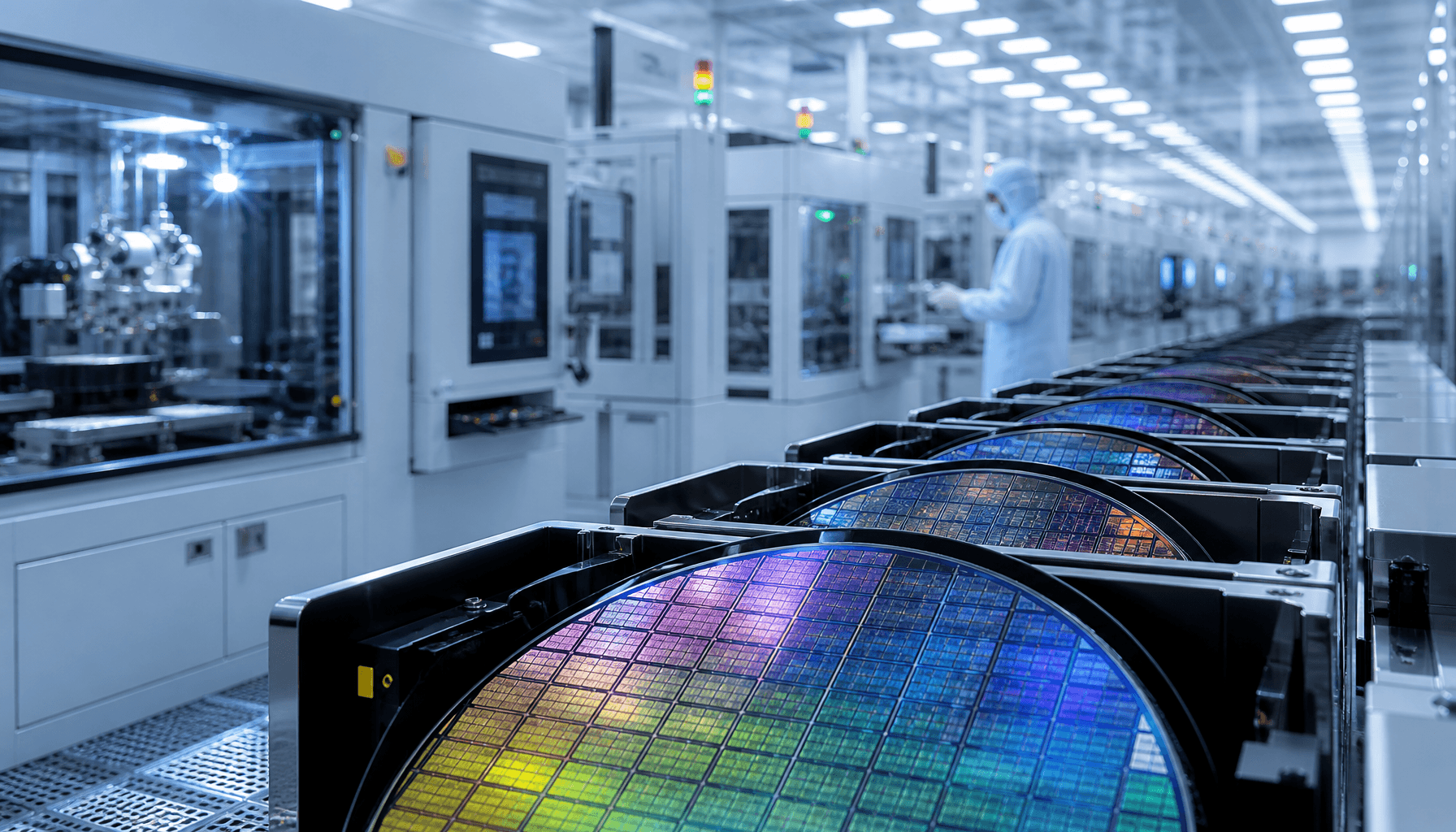
The global semiconductor industry has received a jarring signal, as Samsung Electronics warned that global chip shortages will not only persist in the short term but could worsen and extend until 2028. This forecast shatters optimistic market expectations for a gradual normalization of the supply chain, particularly as demand for AI computation continues its explosive growth, with the supply gap for high-performance chips becoming increasingly apparent.
Samsung's Profit Performance and Supply Chain Strategy
Despite facing supply chain challenges, Samsung Electronics' semiconductor division demonstrated strong profitability in the second quarter, with operating profits showing significant growth. This is primarily attributed to the recovery of the memory chip market and the premium benefits brought about by AI demand. To cope with long-term supply instability, Samsung has adopted an aggressive strategy, signing long-term supply agreements with several major data center operators. These agreements not only ensure revenue stability for Samsung but also reflect the high anxiety of clients regarding future chip availability.
Infrastructure Gaps in the AI Era
As the number of parameters in artificial intelligence models continues to expand, the demand for HBM (High Bandwidth Memory) and high-performance logic chips has far exceeded existing production capacity. According to market observations, while the surge in AI hardware investment has driven technological iteration, it has also compressed production capacity allocation for traditional consumer electronics chips. Samsung's warning indicates that chipmakers face multiple obstacles in the expansion process, including extended lead times for equipment, a shortage of high-end talent, and excessively high capital intensity, making it difficult for production capacity expansion to keep pace with the demands of the AI era.
Market Data and Industry Impact
According to Google Trends data, search interest for "chip shortage" globally has risen by 45% over the past month, indicating that both enterprise procurement and general consumers are worried about supply instability. Samsung's market position makes its forecast highly significant, prompting many tech giants to re-evaluate their vertical integration strategies, attempting to reduce reliance on single suppliers in favor of securing more long-term contracts.
Future Outlook and Key Metrics
Looking ahead, long-term supply agreements between Samsung and other major chip manufacturers will become the new industry norm. Key areas to watch include: first, whether the capacity expansion progress of major chipmakers can meet projected targets; second, whether AI demand will remain high or undergo a cyclical correction; and third, how government subsidies and localization policies for semiconductor supply chains will impact the competitive landscape. Samsung's warning essentially serves as a wake-up call for global tech investors, revealing the massive supply chain risks hidden behind the AI arms race.