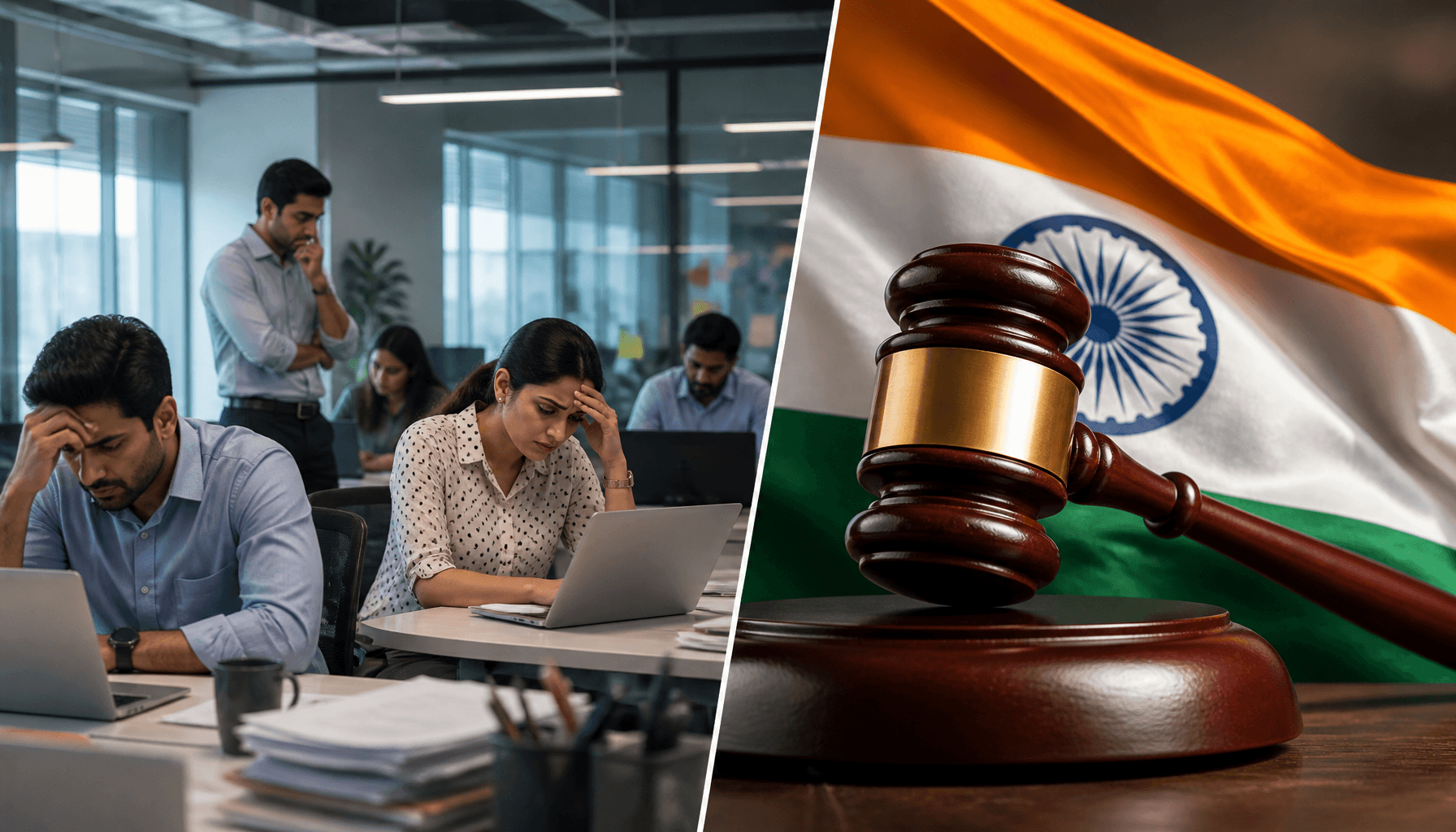
Internal Cultural Crisis: The AI Hackathon Backlash
Meta is currently navigating a dual-front crisis. According to reports from WIRED, a company-wide AI hackathon mandated by CEO Mark Zuckerberg has triggered significant unrest among the workforce. Employees have expressed frustration, arguing that the mandatory nature of the event disrupts established R&D priorities and reflects a lack of consideration for project workloads and employee well-being during the company's aggressive AI pivot. This internal dissent highlights the growing pains within Meta's corporate culture as it attempts to maintain its position at the forefront of the AI race.
Regulatory Storm in India
Simultaneously, Meta is facing intense regulatory pressure in the Indian market. S Krishnan, Secretary at the Ministry of Electronics and Information Technology (MeitY), publicly criticized Meta's handling of posts involving the Prime Minister, asserting that the company had no business taking down content deemed controversial by the platform. Furthermore, police in the state of Telangana have filed a case against Meta’s India head over alleged morphed posts targeting the Prime Minister. These incidents underscore the fundamental tension between global social media platforms, their content moderation practices, and local laws such as the Information Technology (Intermediary Guidelines and Digital Media Ethics Code) Rules, 2021.
Legal Risks and Compliance Challenges
Legal experts note that India’s regulatory environment for digital intermediaries is becoming increasingly stringent. As a multinational platform, Meta faces the risk of losing "safe harbor" protections if it fails to align its moderation practices with government directives. For a platform with billions of users, this would represent a massive operational liability. Google Trends data indicates a significant uptick in searches related to "Meta content moderation" and "India regulation," reflecting the growing public and professional concern.
Future Outlook: Rebuilding Trust
Faced with internal employee skepticism and external government pressure, Meta’s primary challenge lies in rebuilding trust. This requires more than just technical AI governance; it demands a shift in how the company communicates across culturally diverse markets. If Meta cannot effectively address internal employee concerns while navigating complex compliance agreements in key growth markets like India, its global expansion strategy will likely encounter further headwinds. Investors and observers will be watching closely to see if Meta adopts a more flexible policy framework to adapt to the increasingly fragmented global regulatory environment.