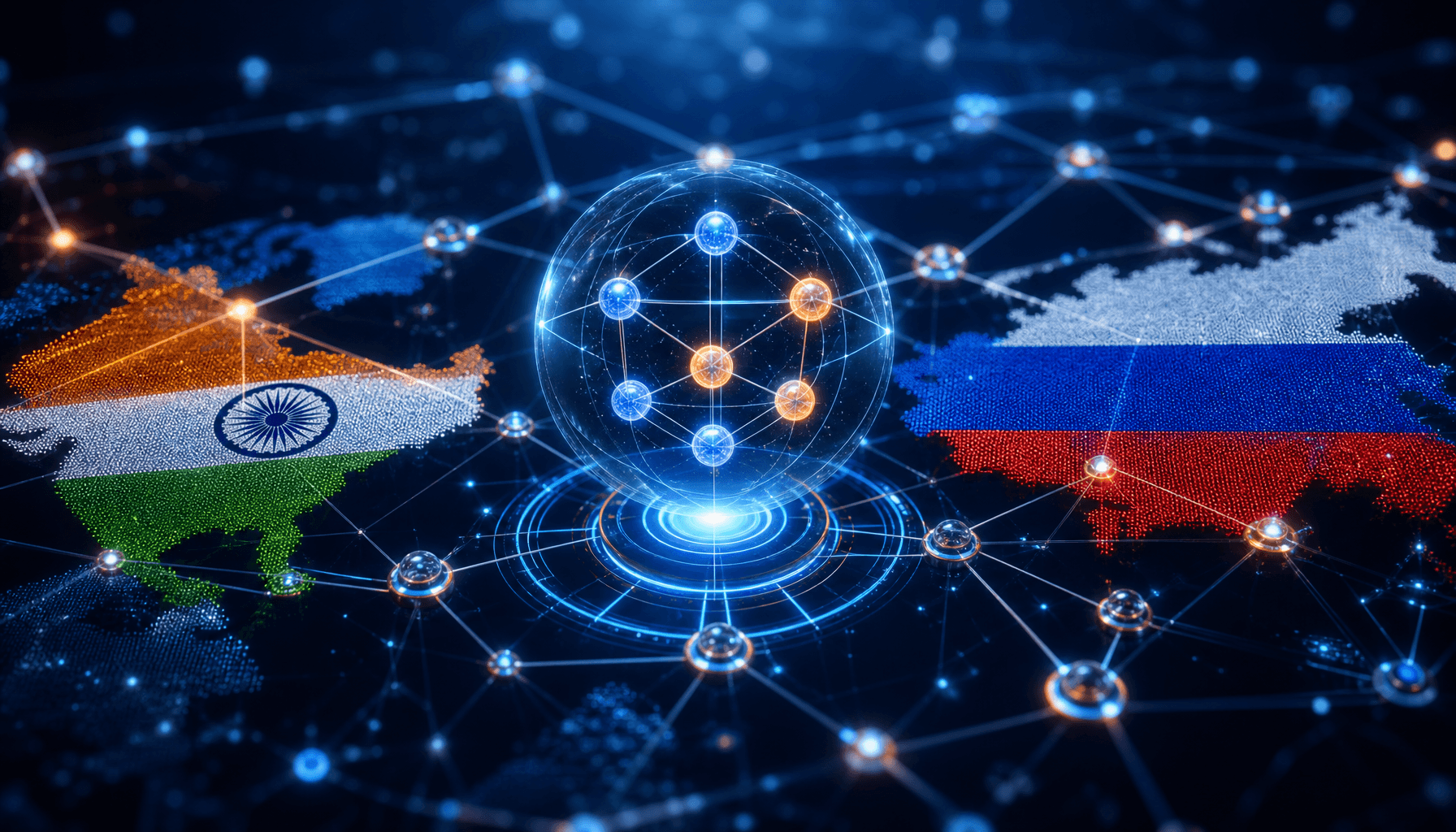
The Strategic Pivot of the National Quantum Mission
India has officially proposed a strategic collaboration with Russia in the field of quantum computing as part of its 'National Quantum Mission.' The core objective is to build a comprehensive national quantum ecosystem and develop indigenous quantum computers by 2031. Amidst strict export restrictions on sensitive technologies from Western nations, this alliance is viewed as a crucial strategic move for India to secure technological autonomy.
Despite facing geopolitical isolation, Russia maintains a deep academic and technical foundation in quantum R&D. For India, this partnership represents not only technical complementarity but also a hedging strategy for future quantum defense and computational capabilities.
The Complexity of Technology Transfer and Geopolitics
As a dual-use strategic technology, international cooperation in quantum computing is subject to a complex web of export control regimes, including the Wassenaar Arrangement. This agreement aims to control the transfer of strategic materials and software to prevent key technologies from reaching certain regions. The collaboration between India and Russia will undoubtedly attract attention on the international diplomatic stage and test India's ability to balance technical development with international compliance.
Furthermore, India’s domestic security laws impose strict requirements on foreign technology partnerships, particularly those involving critical national infrastructure. The government must ensure that cooperation with Russia does not violate domestic security regulations while effectively acquiring key technological breakthroughs.
Reactions from Industry and Academia
Google Trends data shows a steady rise in search interest for 'India Russia quantum collaboration' within the Indian tech community. Many experts believe that despite high geopolitical risks, Russia's accumulation of knowledge in quantum algorithms and hardware development can provide critical assistance in shortening India’s quantum R&D cycle. However, this collaboration also faces the risk of hardware supply chain fragmentation from Western ecosystems.
Industry analysts point out that the quantum race is not just about computing power; it is a competition for control over future encryption and defense systems. If India successfully integrates Russia’s technical strengths, it will significantly boost its influence in the Asian quantum landscape.
Future Outlook: Autonomy in the Quantum Era
As the National Quantum Mission progresses, India will focus on R&D in quantum communications, quantum sensing, and quantum hardware. Whether this cooperation with Russia translates into tangible technological breakthroughs will depend on the depth of the agreements between the two nations regarding data transparency, intellectual property protection, and international compliance.
This alliance reflects a global trend where nations are shifting toward building smaller, high-intensity technical cooperation networks. For investors and tech policymakers, monitoring the progress of specific projects under this collaboration and the subsequent international diplomatic responses will be a key indicator for assessing India’s path toward technological self-reliance.