Macro Context: The Energy Cost Impact of West Asian Conflict
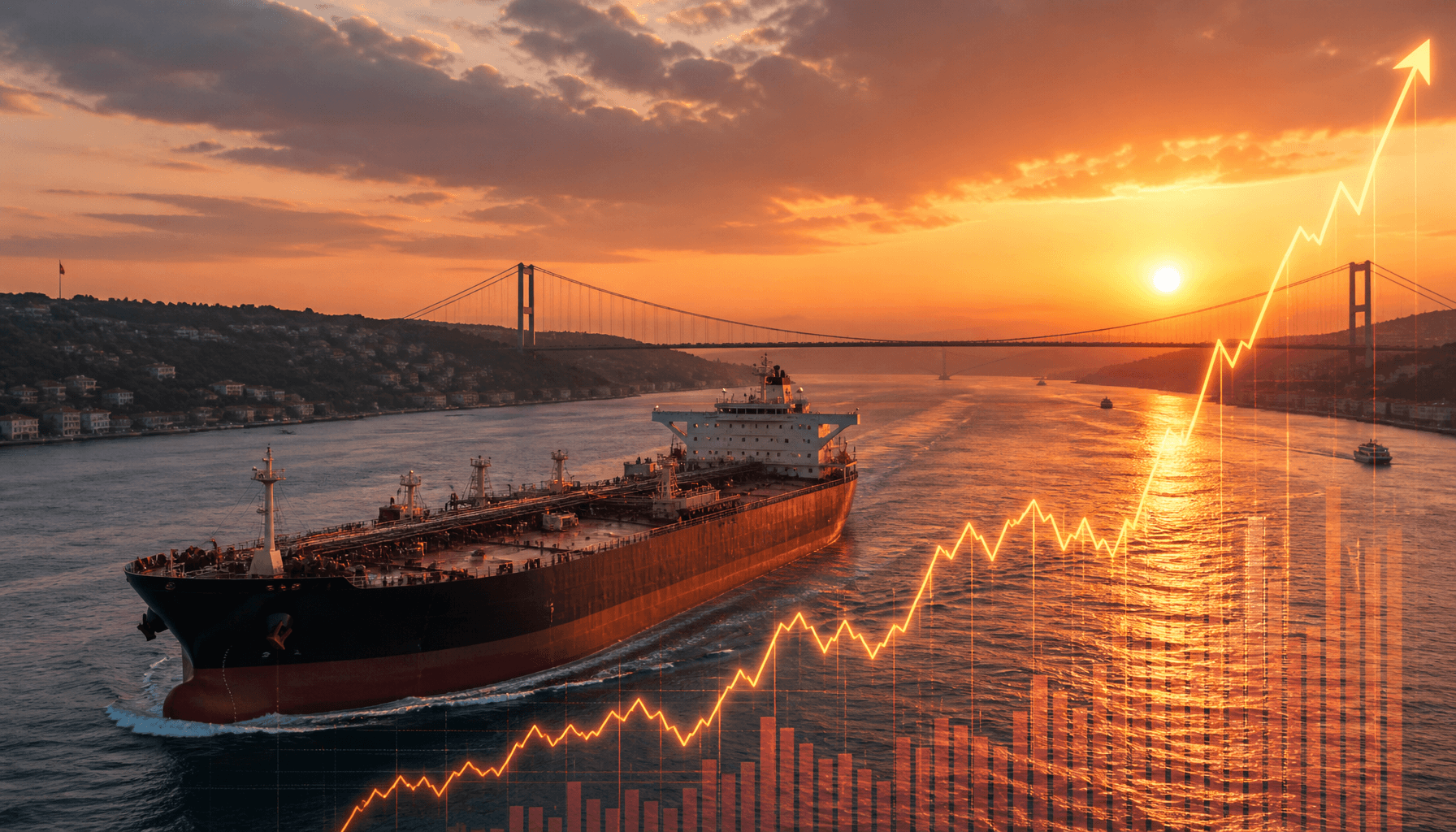
The escalation of conflict in West Asia is having a direct and severe impact on global energy markets. India's crude oil import bill for the first quarter of fiscal year 2027 has hit an all-time high of $50 billion. This surge is not merely a result of increased demand, but a consequence of geopolitical risks fueling price volatility. Despite importing volumes similar to those in Q1 FY23, the combination of a weaker Indian Rupee and rising global crude prices has significantly inflated the cost of dollar-denominated purchases. Recent actions by Iran targeting oil tankers in the Strait of Hormuz have further aggravated shipping costs and market risk aversion.
Economic Impact: Dual Pressure of Inflation and Trade Deficit
The spike in energy import costs is exerting significant pressure on India’s macroeconomic stability. As crude oil represents India’s largest import item, rising costs are directly widening the trade deficit and creating ripple effects on domestic inflation. Analysts point out that higher energy prices increase transportation and production costs, thereby pushing up the overall price level. While the Indian government has attempted to diversify its energy sources, current international conflict dynamics make short-term relief difficult.
Industry and Market Dynamics
Google Trends data indicates that search interest for "crude oil imports" and "Strait of Hormuz" in India has reached scores of 82 and 75, respectively. This reflects heightened anxiety among Indian industries and investors regarding the stability of energy supplies. Market analysts warn that if tensions in West Asia persist, global crude oil market volatility will remain elevated, posing a major challenge for growth-oriented economies like India that are heavily dependent on imported oil.
Future Outlook and Monitoring
In the coming months, market attention will focus on several critical areas: the security of shipping lanes in the Strait of Hormuz, which directly dictates the stability of oil supply; the trajectory of the Rupee against the US Dollar, which determines the real cost of energy imports; and the intensity of diplomatic interventions in the West Asian conflict. For India, accelerating the energy transition and increasing domestic capacity remain the only long-term solutions to mitigate the volatility of its energy bill. In the short term, inflationary pressures are expected to remain high, testing the monetary policy resolve of the Reserve Bank of India.