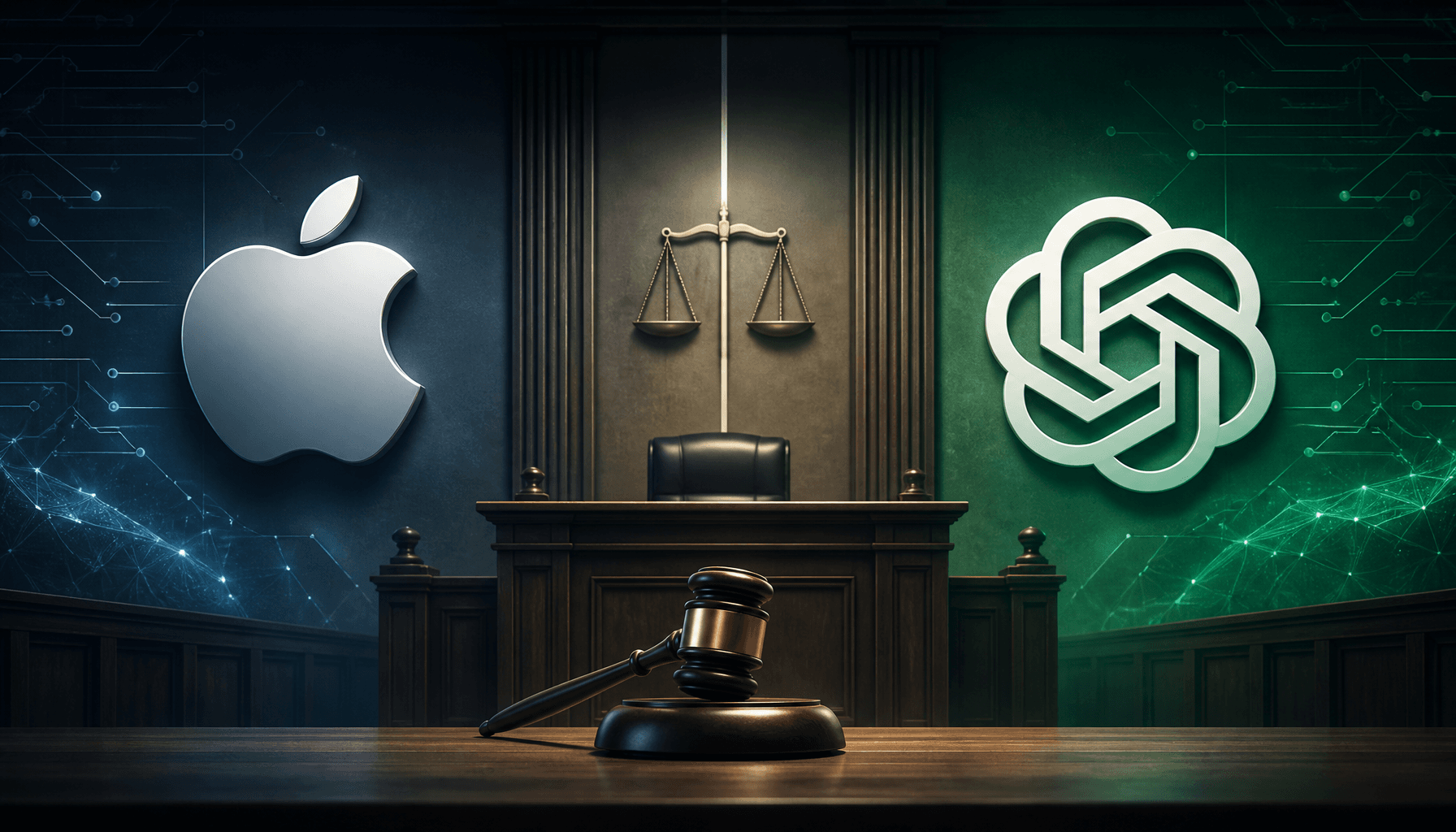
The Core Dispute: Silicon Valley's High-Stakes Battle
Apple has initiated a high-profile lawsuit against OpenAI, seeking a preliminary injunction to prevent former employees now at OpenAI from utilizing what Apple alleges are stolen trade secrets. This legal confrontation is not merely a dispute between two corporate entities; it is a manifestation of the cutthroat competition for elite talent in the Artificial Intelligence sector. According to court filings, Apple asserts that the misappropriated data relates to proprietary hardware innovations that are vital to its future product roadmap. Apple claims that the unauthorized use of this information would cause irreparable harm to its competitive position.
Legal Strategy and the Burden of Proof
In the realm of trade secret litigation, securing a preliminary injunction is a significant legal hurdle. Apple must demonstrate to the court that it faces irreparable harm, that it possesses a high likelihood of success on the merits of the case, and that the public interest favors granting the injunction. The crux of the legal debate lies in drawing a clear distinction between an employee's general professional skill set—which is portable—and the specific, protected confidential information of an employer. This case highlights the perpetual tension in Silicon Valley regarding employee mobility and intellectual property rights.
OpenAI's Defensive Transparency
In a departure from standard legal defensive tactics, OpenAI has responded by publicly releasing emails and chat logs. The company explicitly stated that it neither possesses nor desires access to Apple's trade secrets. By taking this proactive stance, OpenAI is attempting to signal to the market and the public that its technical advancements are the result of its own internal R&D efforts. This strategy aims to mitigate reputational damage and challenge the strength of Apple's claims in the court of public opinion.
Industry Impact and Search Trends
This legal battle has sent shockwaves through the tech ecosystem. According to Google Trends data, interest in the "Apple OpenAI Lawsuit" has reached an intensity score of 85 in California and 62 in Taiwan, underscoring the global relevance of this Silicon Valley conflict. Industry analysts suggest that this case may force other AI-focused companies to re-evaluate their recruitment protocols and non-disclosure agreements to mitigate future litigation risks.
Future Outlook and Key Observations
In the coming weeks, the court is expected to hold hearings regarding the preliminary injunction. Observers should monitor whether the court mandates an independent third-party audit of the disputed documents and whether OpenAI is forced to restrict the responsibilities of the former Apple employees. The outcome of this case will likely set a significant legal precedent for talent mobility and innovation within the AI industry, defining the boundaries of competition for the next generation of technology leaders.