Emerging AI Agent Workflows: A New Wave of Development Tools
A new wave of Python tools like lilbee, agentbundle, and hol-guard simplifies AI agent deployment and security, accelerating the transition to production-ready autonomous systems.
Agentic AI is significantly reshaping software development workflows by boosting efficiency, while simultaneously surfacing new challenges in system integration and requirements definition that developers must now navigate.
Anthropic reports that 80% of its production code is now written by Claude, leading to an 8x increase in output volume ahead of its upcoming IPO.
A new survey finds 43% of AI-generated code requires production debugging, prompting a call for more rigorous, spec-driven development to ensure AI code quality.
AI agent tools are revolutionizing software development by enabling product managers to ship code, drastically increasing team throughput and forcing a rethink of organizational structures.
The software industry is undergoing structural shifts due to AI. Reports highlight drastic productivity gains enabling smaller teams, a blurring of roles between PMs and engineers, and ongoing concerns regarding AI-justified mass layoffs.
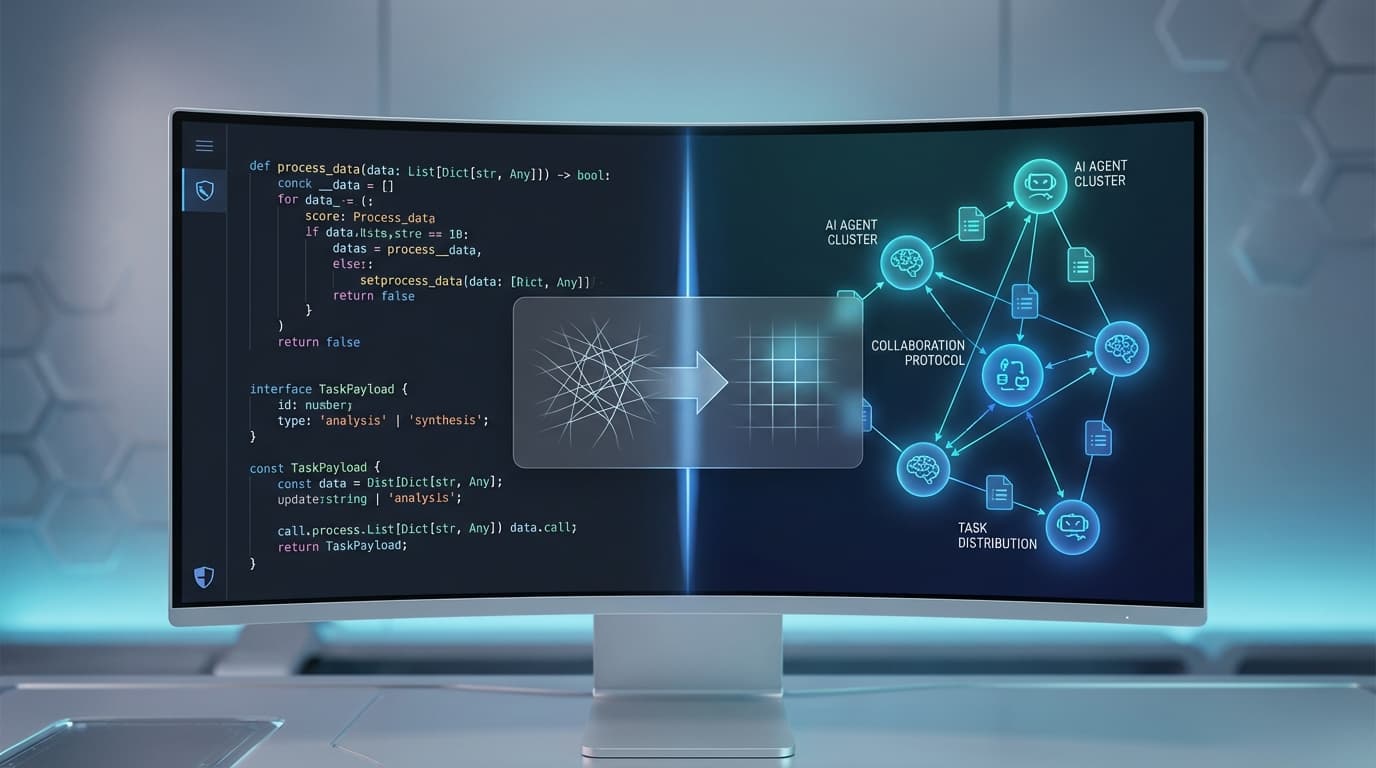
In 2025, AI agent development shifted from experimental loops to structured engineering. This article reviews six key frameworks—including OpenAI SDK, Google ADK, and Pydantic AI—highlighting trends like type safety, MCP support, and spec-driven development.