Emerging AI Agent Workflows: A New Wave of Development Tools
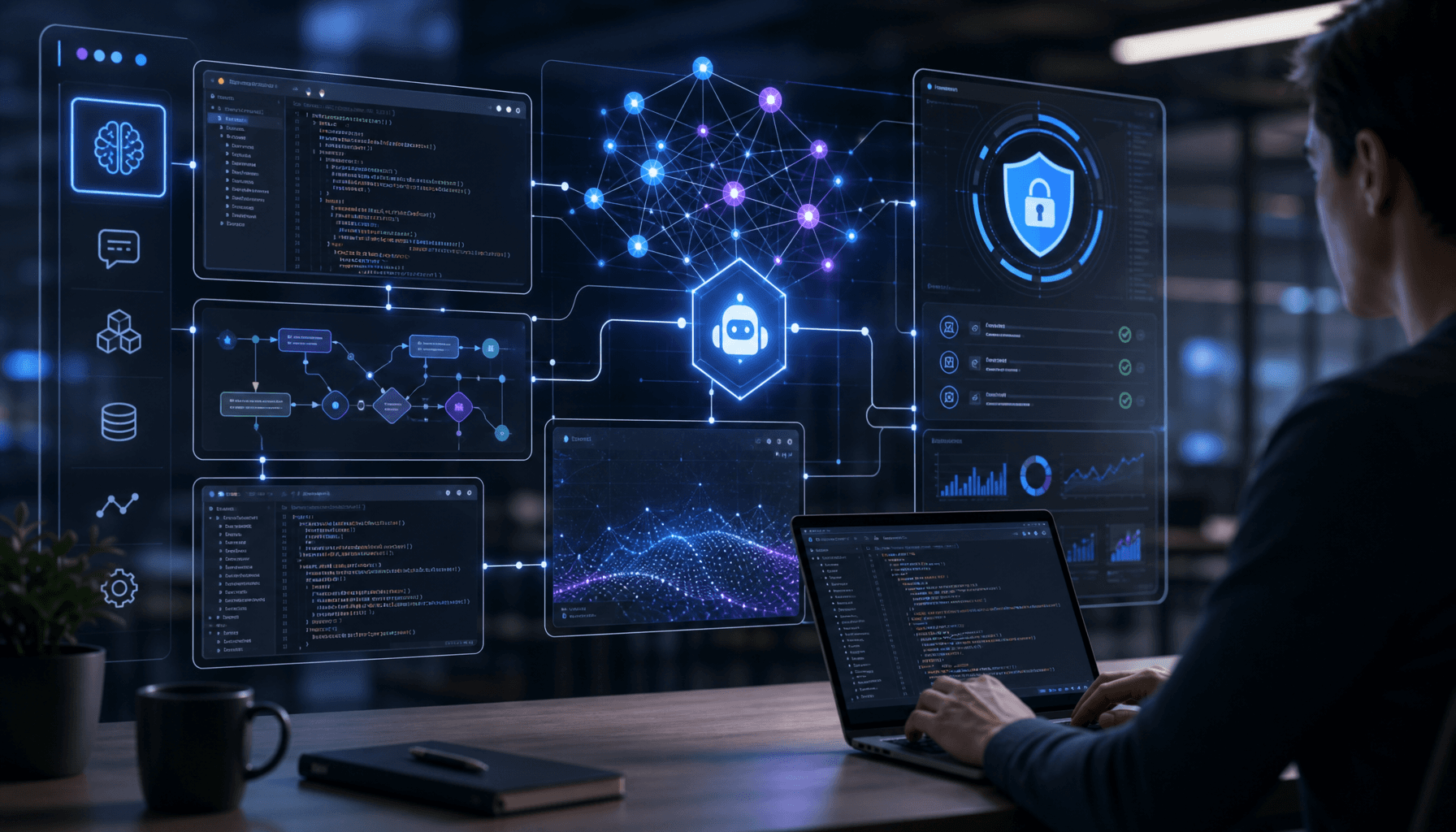
A new wave of Python tools like lilbee, agentbundle, and hol-guard simplifies AI agent deployment and security, accelerating the transition to production-ready autonomous systems.
Geneva has implemented high-level security measures to manage anticipated protests during the G7 summit, aiming to prevent a repeat of 2003 riots and reflecting ongoing public dissatisfaction with global elite governance.
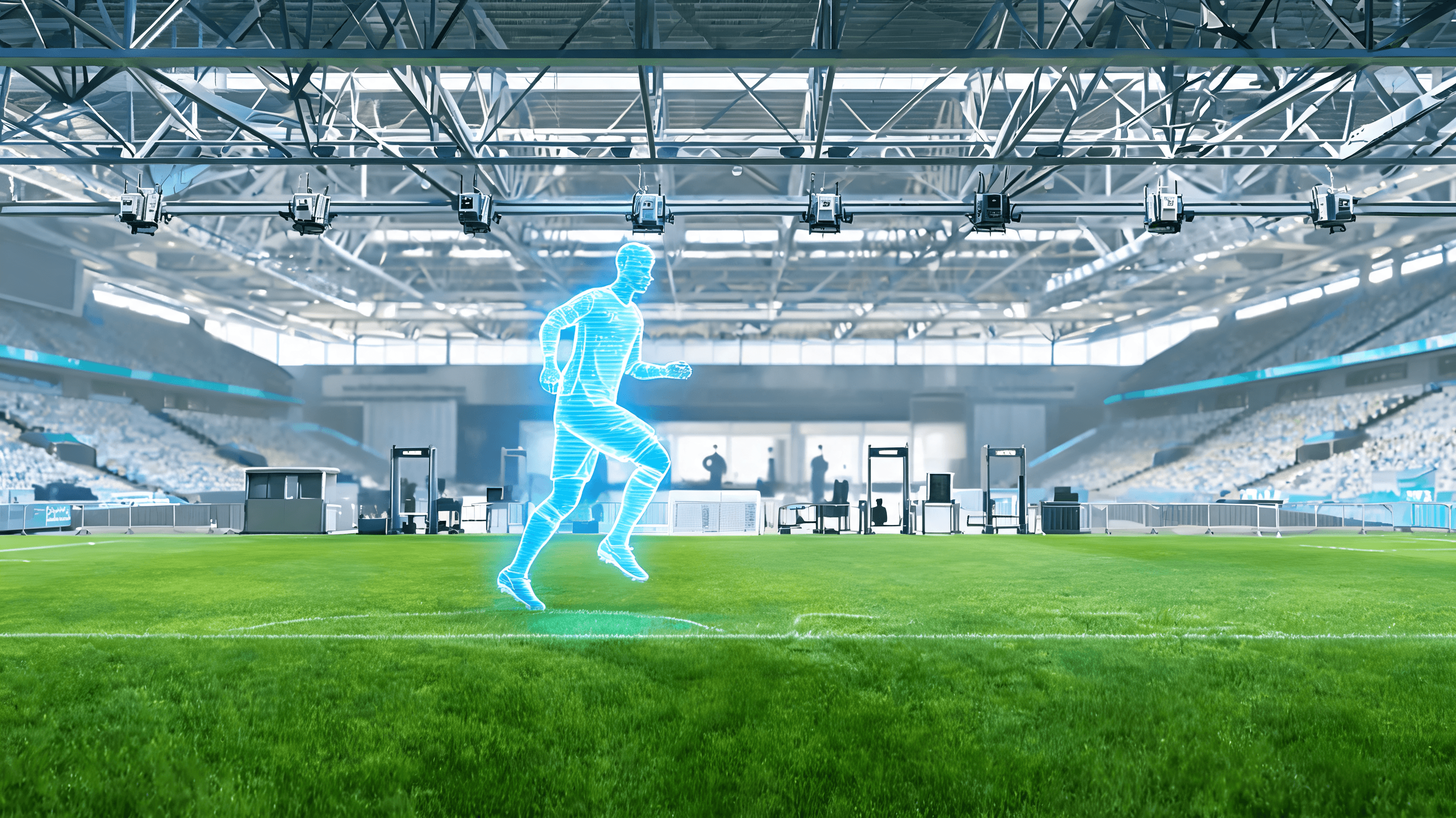
The 2026 World Cup has kicked off in Mexico, sparking both tourism-driven economic gains and social protests. Security, particularly counter-drone technology, has emerged as a critical investment focus for host nations.
The 2026 World Cup faces significant logistics challenges from border and visa policies, while the integration of advanced officiating technologies raises questions regarding data privacy and legal compliance.
OpenAI has introduced 'Lockdown Mode' to enhance AI security against prompt injection attacks. While the feature offers significant protection, experts emphasize that multi-layered defense remains essential for production environments.
Google has introduced AI-driven on-device detection for Android to help users protect themselves from AI-synthesized voice and deepfake scam calls.
Hackers exploited a vulnerability in Meta's AI support chatbot to hijack several high-profile Instagram accounts. The attackers used prompt injection techniques to deceive the system into granting administrative privileges. Meta has since patched the flaw. The incident underscores security risks of integrating AI into high-privilege backend processes and reminds companies to implement 'human-in-the-loop' and zero-trust security mechanisms.
Microsoft's threat of legal action against security researchers disclosing zero-day vulnerabilities has sparked intense controversy, raising alarms about the future of security collaboration.
AUKUS nations are expanding their partnership on underwater drone technology to protect critical undersea infrastructure and enhance naval monitoring and hybrid warfare capabilities.
A massive security breach occurred in the npm ecosystem as attackers bypassed trust signals to distribute malicious code, while law enforcement successfully compromised a VPN used for criminal anonymity.
YouTube has expanded its AI-based likeness detection tool to all users over 18, allowing individuals to monitor the platform for unauthorized deepfakes of themselves.
Electronics giant Foxconn is the latest target of a ransomware group. As a key supplier to Apple, Google, and Nvidia, the breach raises urgent questions about cybersecurity governance and global supply chain resilience.
The Shai-Hulud worm targeting developer environments and a major ransomware attack on Foxconn highlight that supply chain threats have evolved to target the very tools developers use.
Cybercriminal groups are evolving to use physical threats and intimidation against employees to force ransom payments, creating new legal and safety risks that enterprises must address with integrated security frameworks.
Enterprises are facing security risks from 'tool poisoning,' where AI agents are misled by unverified tool descriptions. The industry is responding with intent-based chaos testing to prevent AI from executing harmful actions with high confidence.
The deployment of AI agents is growing, but 'tool poisoning' vulnerabilities threaten enterprise security. Experts are calling for intent-based chaos testing and tighter legal frameworks to bolster the resilience of autonomous systems.
Enterprises are facing a 'Shadow AI' crisis due to unauthorized apps and autonomous AI agents, leading to unintended policy changes and major governance and legal risks.
Research has discovered over 380,000 publicly accessible assets linked to unmanaged, 'vibe-coded' AI apps. This phenomenon, which bypasses traditional security, has created a significant shadow AI security crisis for enterprises.
The FCC has banned the sale of consumer-grade Wi-Fi routers and hotspots manufactured outside the U.S., citing national security and supply chain safety concerns.
The Model Context Protocol (MCP) has a reported architectural flaw in its STDIO transport mechanism, exposing potentially 200,000 servers to command execution risks.
Researchers have identified a security risk in the Model Context Protocol (MCP) where the STDIO transport layer executes commands without validation. While Anthropic defends this as a feature for flexibility, security experts warn of risks for enterprise AI deployments.
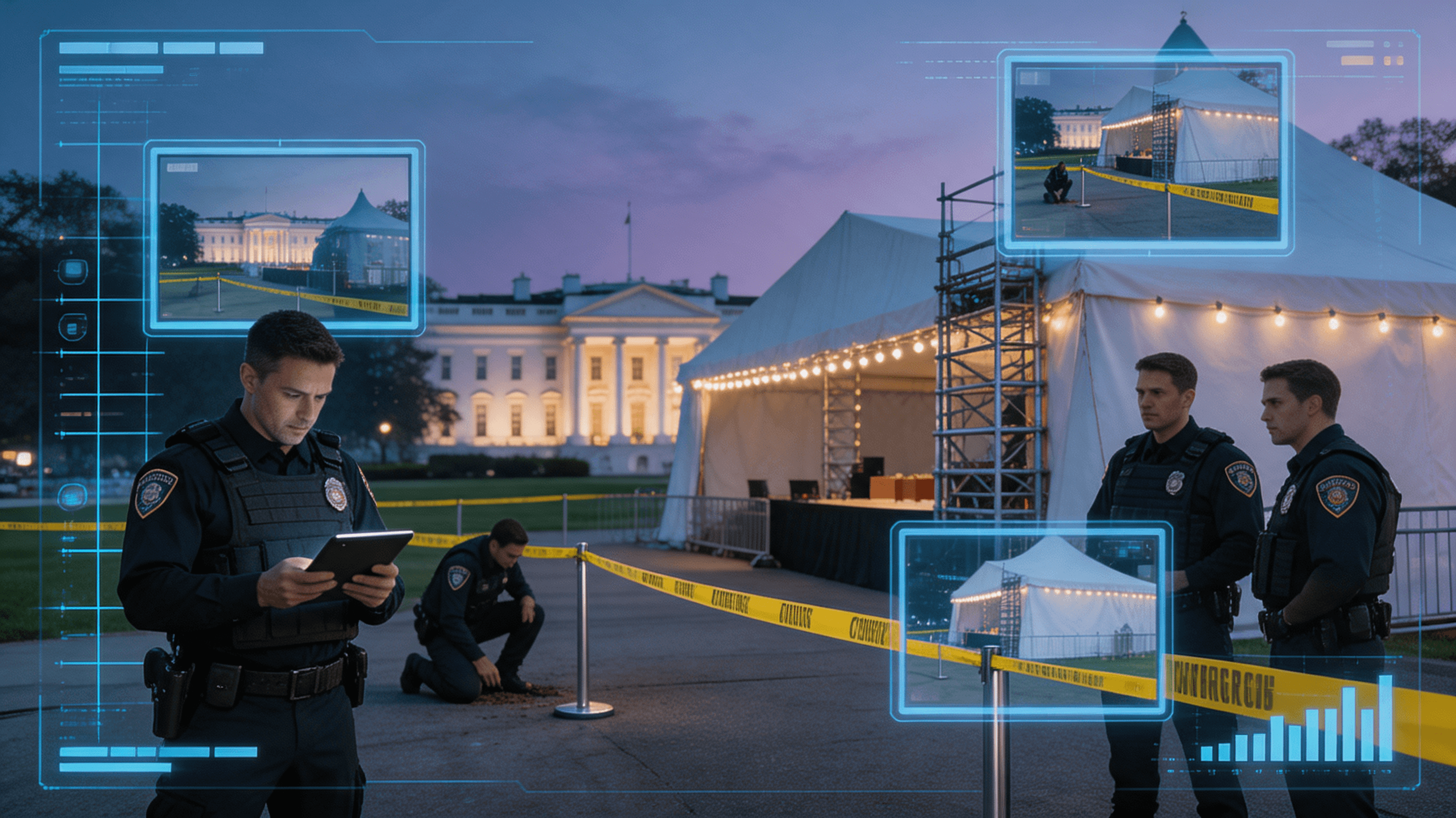
An assassination attempt on President Trump at the White House Correspondents’ Dinner has led to federal charges against the suspect and sparked a viral wave of conspiracy theories on social media.
The shooting at the WHCD has sparked debate over security and corporate responsibility. OpenAI apologized for failing to report the suspect's threats, prompting discussions on the 'Duty to Warn' for AI developers.
A 31-year-old California engineer has been identified as the suspect in a shooting incident at the White House Correspondents' Dinner. The case is under federal investigation by the Secret Service.
RSA Conference 2026 research highlights that while 85% of enterprises are piloting AI agents, only 5% trust them enough for production, citing security and reliability as key barriers.
A US special forces soldier has been arrested for allegedly using classified government information to profit $400,000 from Polymarket bets regarding a military operation against Venezuela's Nicolás Maduro.
AI is enabling less sophisticated hackers to commit large-scale cybercrimes. Simultaneously, prediction markets face insider trading scrutiny, leading New York to ban state employees from using internal info for betting.
Enterprises are scaling autonomous AI agent deployments. Salesforce’s new Headless 360 architecture and emerging governance tools are setting the standard for secure, agent-ready enterprise infrastructure.
A VentureBeat survey shows that most enterprises lack the ability to detect or isolate autonomous AI agents, creating severe security vulnerabilities when these agents are granted broad access permissions.
Dozens of WordPress plugins were hijacked and injected with backdoors following corporate ownership changes, impacting thousands of websites and highlighting critical supply chain vulnerabilities.
Daniel Moreno-Gama is facing federal felony charges, including attempted murder, following a violent attack on OpenAI CEO Sam Altman’s home and an attempted breach of the company’s headquarters.
Daniel Moreno-Gama faces federal charges, including attempted murder, for attacking OpenAI CEO Sam Altman's home and attempting to breach the company's headquarters. Prosecutors allege the suspect held documents advocating for violence against AI executives.
Daniel Moreno-Gama faces severe federal charges after attacking OpenAI CEO Sam Altman's home and attempting to breach company headquarters, sparking concern over executive safety in Silicon Valley.
OpenAI CEO Sam Altman has been targeted in a second security attack at his San Francisco home; two suspects are in custody as the industry grapples with executive safety concerns.
OpenAI CEO Sam Altman's home was targeted in a violent attack, sparking widespread debate about the physical safety of tech leaders and the journalistic ethics of using generative AI in mainstream media.


OpenAI CEO Sam Altman’s home was targeted in a Molotov cocktail attack by a 20-year-old suspect. The suspect has been arrested, sparking a debate on executive security.
A 20-year-old suspect has been arrested after throwing a Molotov cocktail at the residence of OpenAI CEO Sam Altman, prompting renewed focus on executive security in the tech industry.
OpenAI CEO Sam Altman’s home was targeted in a Molotov cocktail attack, leading to the arrest of a 20-year-old man and sparking discussions on executive safety in the tech industry.
Global cities and nations are grappling with AI-driven disinformation campaigns and propaganda, while the U.S. Congress faces a critical showdown over the renewal of mass surveillance laws under FISA Section 702.
Prominent open-source developers face account locks from Microsoft, disrupting critical software updates and raising concerns about developer reliance on major cloud providers.
Microsoft’s sudden lockouts of prominent open-source developers, including the makers of WireGuard and VeraCrypt, have halted critical software updates and exposed risks in the Windows supply chain.
Attackers compromised the maintainer's token for the popular Axios library to distribute a remote access trojan. Given its integration in 80% of cloud environments, the breach poses a significant supply chain threat.
Iran's Islamic Revolutionary Guard Corps has threatened to target major US tech firms like Apple, Google, and Microsoft with cyberattacks starting April 1, escalating tensions in regional cyber-conflict.
Anthropic inadvertently leaked over 512,000 lines of code for its Claude Code agent due to an improperly handled source map file, revealing the tool's internal architecture and hidden features.
New research suggests that quantum computers might break encryption with fewer resources than previously predicted, accelerating the urgency to adopt post-quantum cryptography.
Anthropic accidentally exposed over 512,000 lines of Claude Code source code via a JavaScript source map, raising significant trade secret and security concerns.
RSAC 2026 highlighted that while new identity frameworks for AI agents are emerging, current intent-based security is insufficient, shifting the industry focus toward behavioral, context-aware defense.
FBI Director Kash Patel's personal email account was breached by Iranian hackers as retaliation for his threats against them; the FBI confirmed no national security systems were compromised.
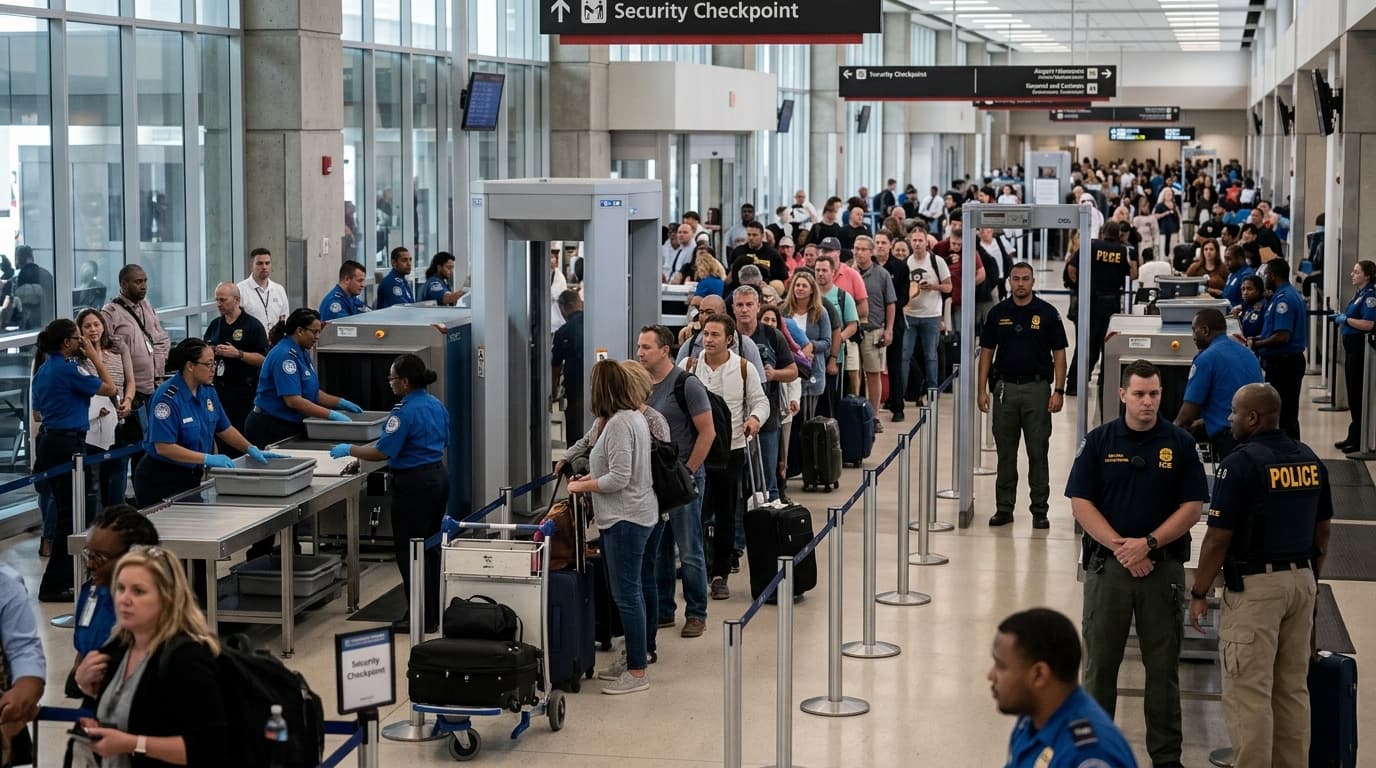
The Trump administration has deployed ICE agents to major U.S. airports to address security delays caused by a federal shutdown, sparking significant constitutional and legal debate.
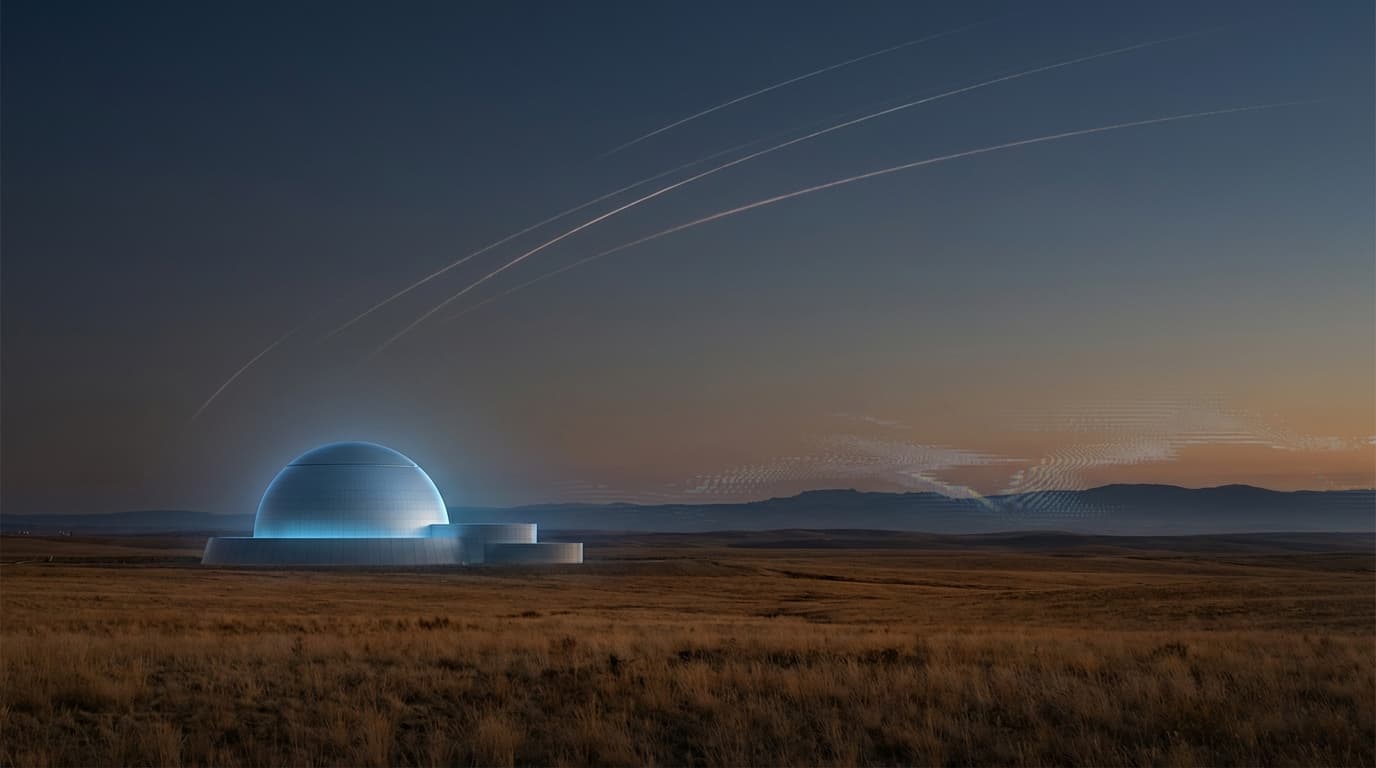
Bill Gates’ TerraPower has received the first U.S. nuclear construction permit in a decade, signaling a strategic shift toward advanced energy as conflict with Iran disrupts global markets. The war has led to massive internet outages in Iran and a pause in commercial satellite imagery, highlighting the new intersection of energy security and digital warfare.