White House Appoints Harvard Astronomer Avi Loeb to Lead New UFO Study Group
The White House has appointed Harvard astrophysicist Avi Loeb to lead a new official group investigating Unidentified Anomalous Phenomena (UAPs).
The ejection of high-profile diabetes scientists from an academic conference has sparked significant debate within the scientific community regarding the balance between conference management and academic freedom.
ArXiv has implemented strict new policies, banning authors for one year if they rely too heavily on generative AI for paper production, aiming to combat academic fraud and low-quality scientific content.
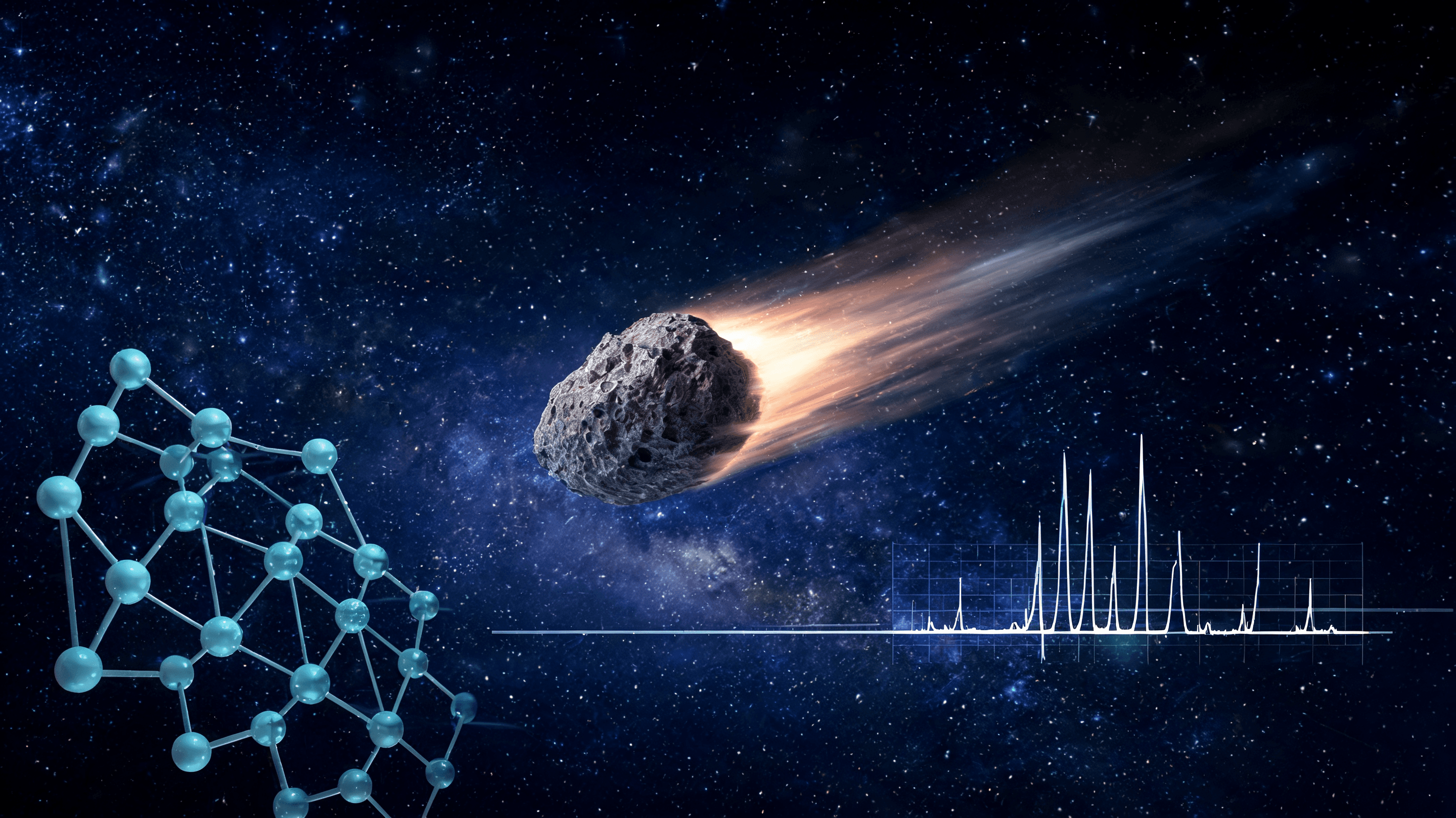
Asteroid 2026 JH2 will fly by Earth on May 18, reaching one-quarter the distance of the moon. This event provides scientists with a key opportunity for monitoring and observation, while highlighting the intersection of space science and material evolution, comparing cosmic flybys to historical extreme energy events like nuclear testing.
Researchers have identified a material created during the 1945 Trinity nuclear test that does not naturally occur on Earth, underscoring the extreme geological impact of atomic testing.
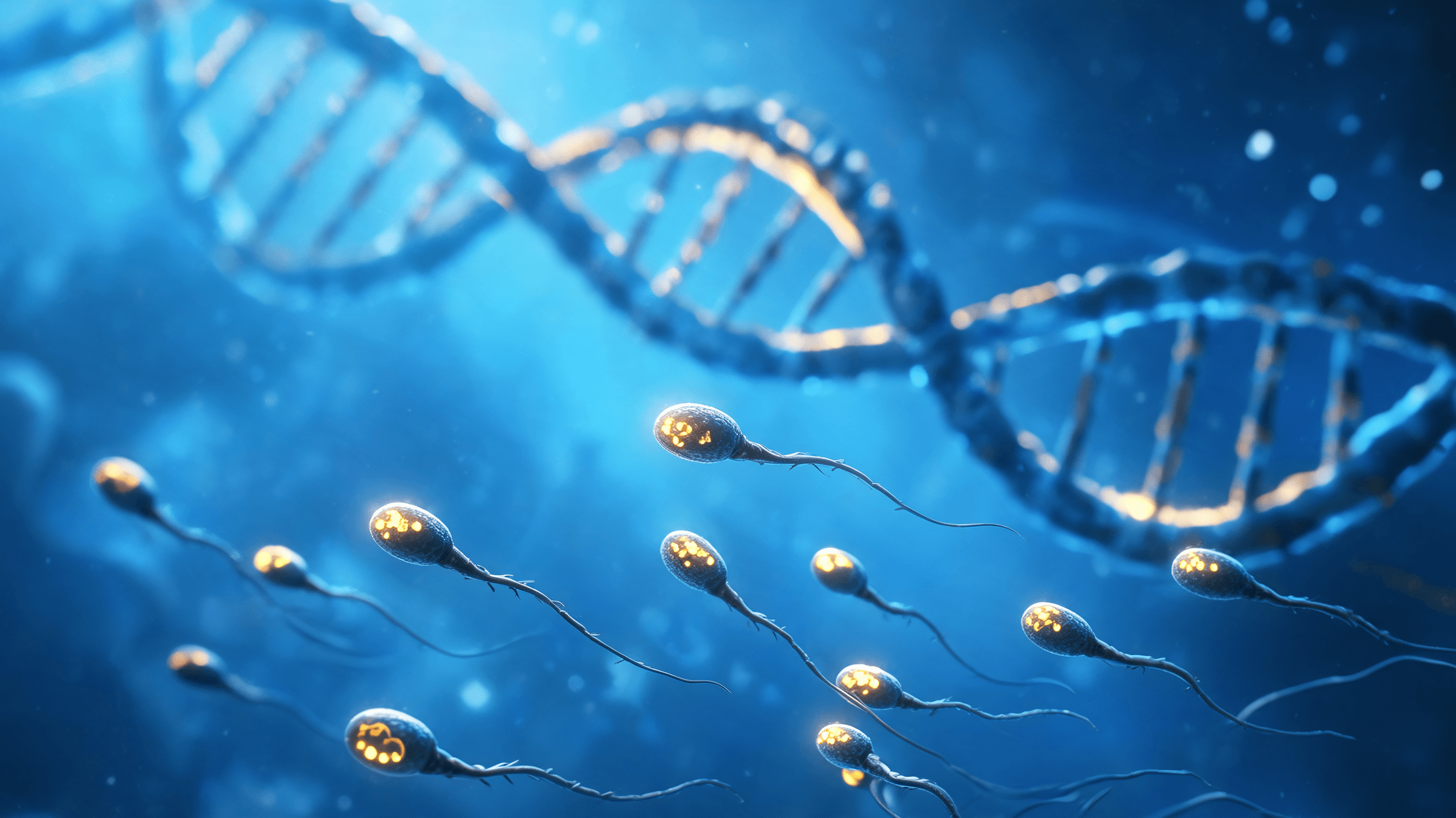
Scientific evidence suggests that a father’s life experiences influence offspring traits via sperm RNA, marking a breakthrough in epigenetics. This paradigm shift could transform disease prevention and precision health strategies.
Scientists successfully mapped Earth's magnetic field from the ISS using a grapefruit-sized diamond-based quantum magnetometer, proving the utility of compact quantum sensors in space missions.
The Trump administration has dismissed the entire National Science Board, a move that threatens the structure and independence of U.S. scientific research, triggers potential legal action, and threatens to cause long-term uncertainty in NSF funding.
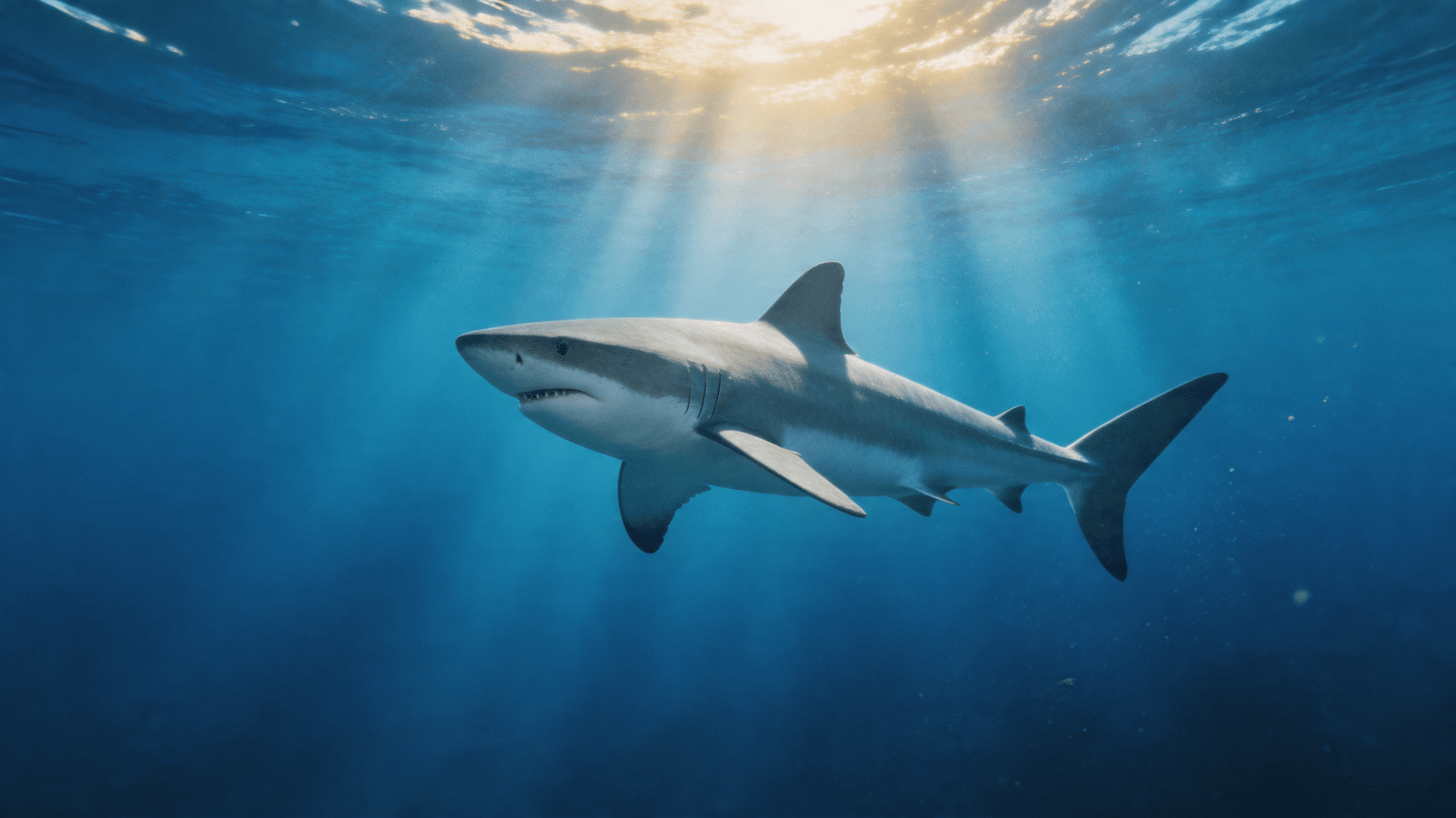
Scientific findings indicate that rising ocean temperatures are causing great white sharks to overheat, highlighting the physiological vulnerability of apex predators to climate change.
Physicists have resolved the longstanding 'proton size puzzle,' while Europe evaluates its potential to lead in the global quantum computing race based on its deep scientific heritage.
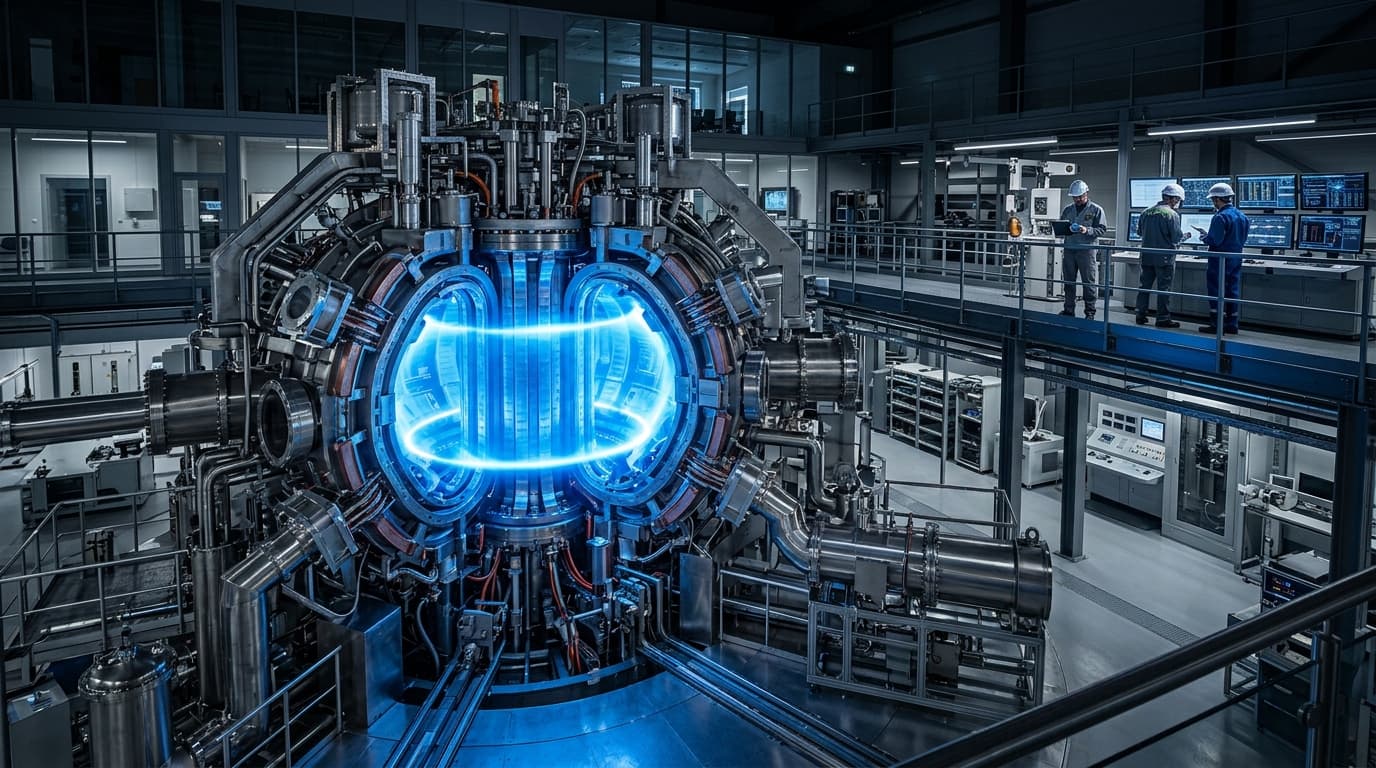
Energy startup Inertia has signed three agreements with the Lawrence Livermore National Laboratory, a move set to accelerate the commercialization of its fusion reactor technology.
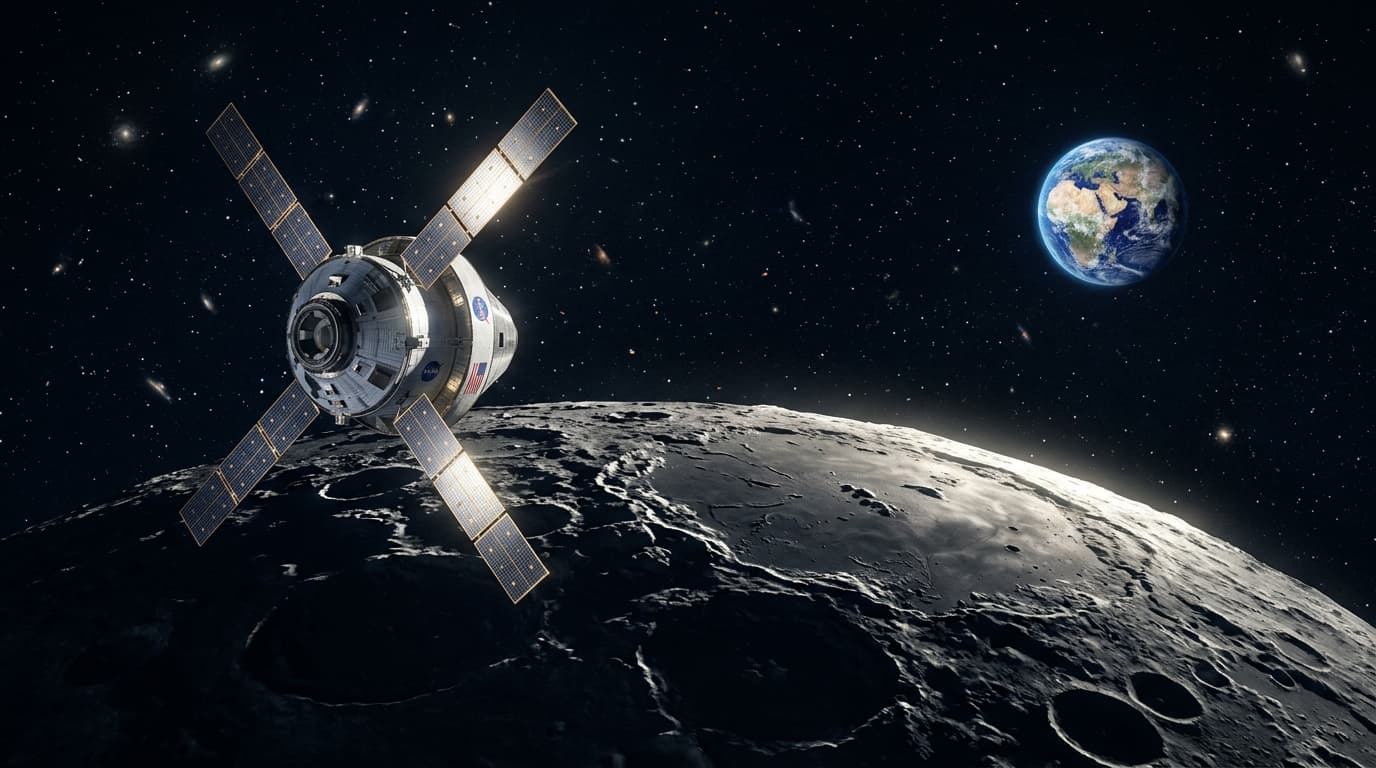
Artemis II is breaking human deep-space distance records. While data transmission constraints mean early video feeds are low-resolution, the mission continues to collect vital scientific data on lunar geology and resources.
New scientific findings suggest that quantum computers require far fewer qubits than previously estimated to compromise current internet encryption standards. This development accelerates the timeline for when 'Q Day' might threaten global data security.
Researchers have successfully sustained a human uterus outside the body for the first time using specialized perfusion technology. This breakthrough in reproductive medicine raises significant ethical and legal questions as the field evolves.