TCS Plans 8,900 AI Engineers and Acquisitions in Major AI Push
TCS plans to deploy 8,900 AI engineers and pursue acquisitions to accelerate enterprise-level AI integration, prioritizing deep client knowledge over mere displacement of outsourcing.
The AI developer community is shifting from LLMs to agentic frameworks and tokenizer-free speech tech. Google Trends show US interest focused on software applications, while Taiwan pivots toward AI hardware and PC integration.
DeepSeek has announced a permanent 75% price cut for its flagship V4 Pro model, challenging the premium token-based business model of Western frontier AI labs through superior architectural efficiency.
Spotify has partnered with Universal Music Group to allow AI-generated remixes and covers for Premium subscribers. Alongside new AI-powered audiobook tools and podcast briefing features, the move signifies a formal effort to integrate generative AI into a legalized revenue-sharing ecosystem.
Generative media is creating a crisis of authenticity. Deepfakes threaten KYC identity verification, and AI-generated music is forcing a re-evaluation of voice and personality rights.
Prestigious literary competitions, including the Commonwealth Short Story Prize, are facing allegations of AI-generated entries. The situation has reignited debates over authorship, IP rights, and the ethical future of creative arts in an AI-driven world.
A judge has delayed approval of Anthropic's $1.5 billion copyright settlement amid concerns over high attorney fees, signaling tougher judicial oversight of AI-related class actions.
New research from Microsoft indicates that large language models can silently introduce errors when rewriting documents, posing significant risks for enterprises delegating critical knowledge tasks to AI.
OpenAI has deployed GPT-5.5 Instant as the new default model for ChatGPT, claiming a 52.5% reduction in factual errors and hallucinations based on internal evaluations.
The surge of AI deepfake scams using celebrity likenesses to trick users has sparked a push for new legal protections for personal digital likenesses.
Anthropic has launched direct connectors for Claude, enabling the AI to interact with major creative platforms like Adobe Creative Cloud, Blender, and Ableton, marking a significant expansion into professional creative workflows.
OpenAI has released ChatGPT Images 2.0, a major upgrade that introduces near-flawless text rendering within images, enabling the generation of complex infographics, slides, and maps.
OpenAI has released ChatGPT Images 2.0, an upgrade that enables real-time web search, improved multilingual text rendering, and the ability to generate complex assets like infographics and presentation slides.
OpenAI has released ChatGPT Images 2.0, featuring significant improvements in rendering complex text, infographics, and multilingual content.
Adobe faces a growing revolt from users and developers over its rigid subscription model and AI strategy, fueling the rise of decentralized and flexible creative software alternatives.
Adobe has launched its Firefly AI Assistant for cross-suite orchestration, while Anthropic has updated Claude Code with 'Routines'. These developments represent a industry-wide shift from passive chatbots to agentic AI, enabling more autonomous, multi-step workflow automation.
Adobe has launched the Firefly AI Assistant, an agentic tool capable of orchestrating multi-step workflows across its Creative Cloud suite, signaling a fundamental shift in how creative work is done.
Meta has officially launched Muse Spark, a proprietary AI model from its new Superintelligence Labs, marking a strategic pivot away from the Llama open-source series. The model, aimed at improving performance in agentic and coding tasks, will be integrated across Meta's entire product ecosystem.
Meta Superintelligence Labs has launched Muse Spark, an AI model now powering Meta AI, with plans to roll it out across WhatsApp, Instagram, and Facebook in the coming weeks.
AI is evolving from simple chatbots into task-oriented agents. While this brings significant automation convenience and market interest, it also raises deep anxieties about job security and autonomous execution.
Generative AI is mired in controversies over copyright and trust, highlighted by legal challenges against Suno and Microsoft Copilot's liability disclaimers. Tech giants' "entertainment-only" stance leaves users and creators vulnerable as courts debate whether AI training on existing works constitutes infringement.
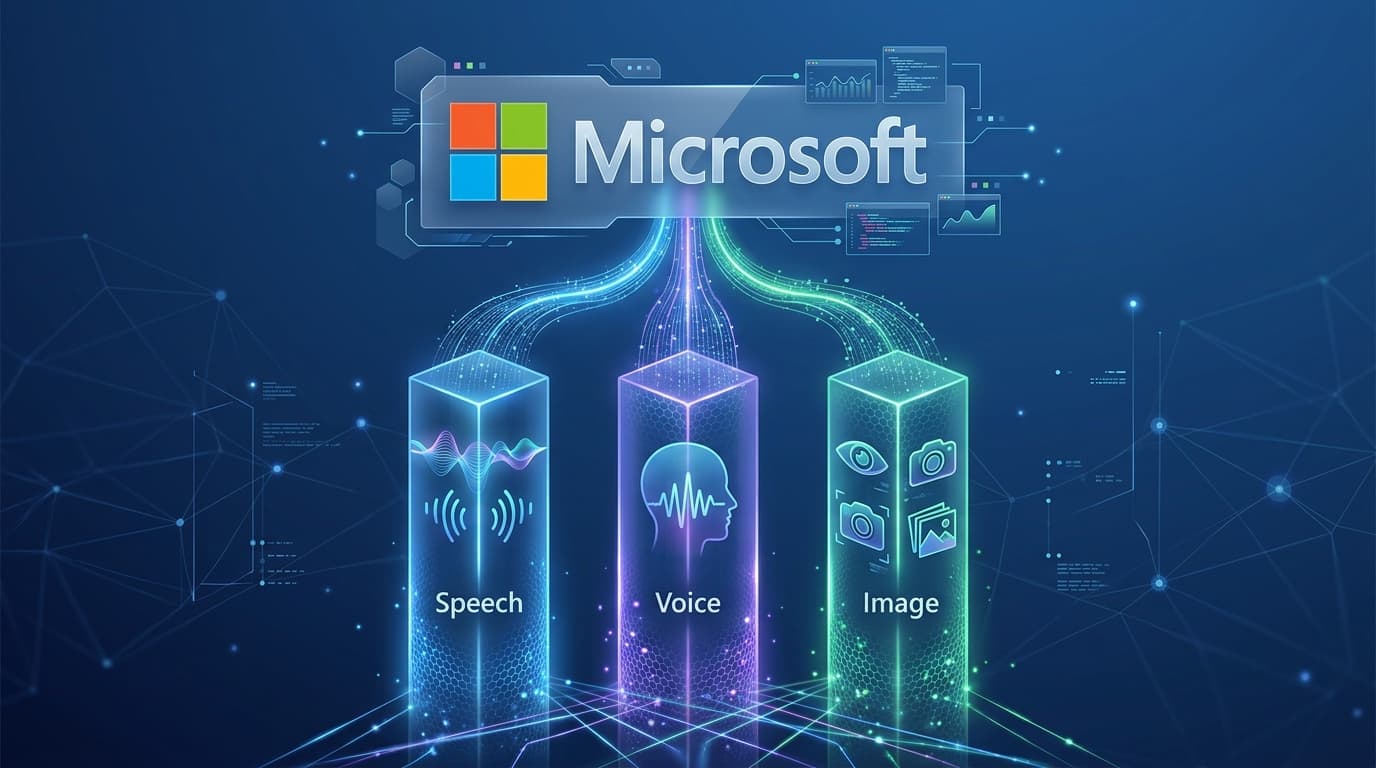
Microsoft launched three in-house foundational AI models (transcription, voice generation, and image creation), marking a strategic pivot away from solely distributing external models toward core development, directly challenging OpenAI and Google for model dominance.
Microsoft has launched three proprietary AI models—MAI-Transcribe-1, MAI-Voice-1, and MAI-Image-2—directly competing with industry leaders like OpenAI and Google.
Microsoft has released three in-house foundational AI models (MAI-Transcribe-1, MAI-Voice-1, and MAI-Image-2), signaling a strategic pivot to compete directly with OpenAI and Google in model development.
OpenAI has unexpectedly shut down its AI video-generation tool, Sora, just six months after its public release, sparking industry speculation about corporate strategy and the legal hurdles facing AI video generation.
Suno's release of its v5.5 model provides enhanced creative control to users. Meanwhile, concerns over transparency and the clear labeling of AI-generated content on social platforms remain a critical issue.
OpenAI has announced the shutdown of its Sora video generation platform, app, and API, a move that reportedly cancels a massive Disney deal as the company pivots toward productivity-focused AI.
GDC 2026 was dominated by AI tool pitches, yet developers struggled to show meaningful in-game integration. AI-generated asset controversy at 'Crimson Desert' underscores the conflict between development efficiency and quality.
Generative AI is sparking backlash across creative industries, including gaming and publishing, due to concerns over authenticity and the spread of harmful content, forcing a debate on disclosure and legal accountability.
Publishers are pulling horror novels due to AI concerns, while platforms are intensifying efforts to purge explicit AI-generated content, marking a turning point in AI ethics.
Nvidia unveiled its next-generation Vera Rubin AI platform at GTC 2026, featuring a complex seven-chip architecture supported by industry leaders like OpenAI and Meta. CEO Jensen Huang projected a $1 trillion market for these chips. Additionally, Nvidia introduced DLSS 5, leveraging generative AI to revolutionize real-time graphics and visual fidelity.
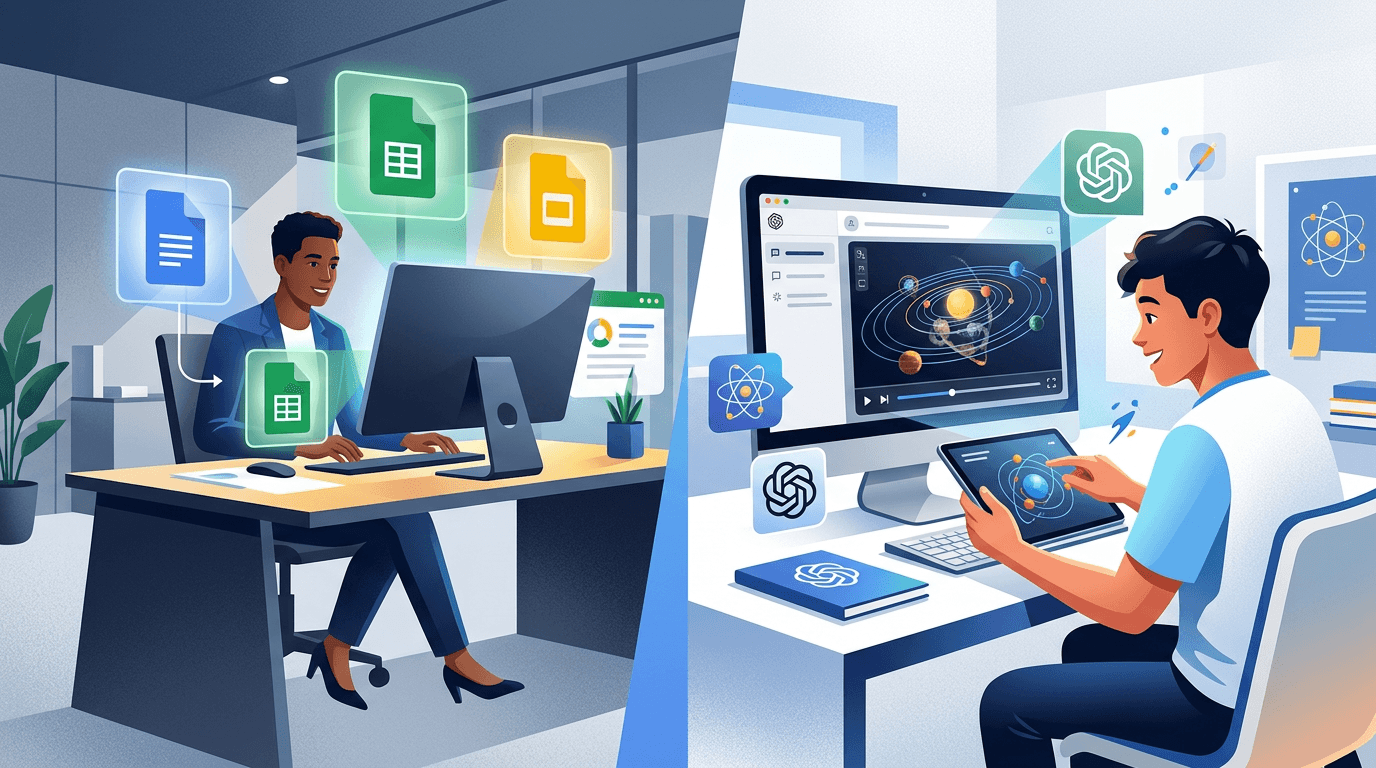
Google and OpenAI have launched significant productivity updates. Google Gemini now features multi-app integration within Workspace, while OpenAI introduced interactive visualizations for math and science in ChatGPT. Additionally, Google added a toggle to Google Photos allowing users to revert to classic search methods.
Google DeepMind's Nano Banana 2 aims to slash enterprise image generation costs, offering accurate text embedding for professional use, as demonstrated by AT&T's 90% cost savings.