Combating the Scams: Android's New AI-Driven Deepfake Detection
Google has introduced AI-driven on-device detection for Android to help users protect themselves from AI-synthesized voice and deepfake scam calls.
Internet users have misused AI to reconstruct the voices of deceased pilots, prompting the NTSB to restrict access to its investigation files to prevent further ethical and privacy violations.
Generative media is creating a crisis of authenticity. Deepfakes threaten KYC identity verification, and AI-generated music is forcing a re-evaluation of voice and personality rights.
YouTube has expanded its AI-based likeness detection tool to all users over 18, allowing individuals to monitor the platform for unauthorized deepfakes of themselves.
YouTube is rolling out an AI-driven likeness detection program to all users over 18, allowing individuals to scan for and monitor unauthorized deepfakes of themselves, marking a major step in platform safety.
The surge of AI deepfake scams using celebrity likenesses to trick users has sparked a push for new legal protections for personal digital likenesses.
A deepfake crisis in schools is escalating, impacting students in nearly 90 schools globally. With fragmented legal protections, educational institutions are struggling to handle the institutional liability and trauma, highlighting the urgent need for better digital consent education and platform accountability.
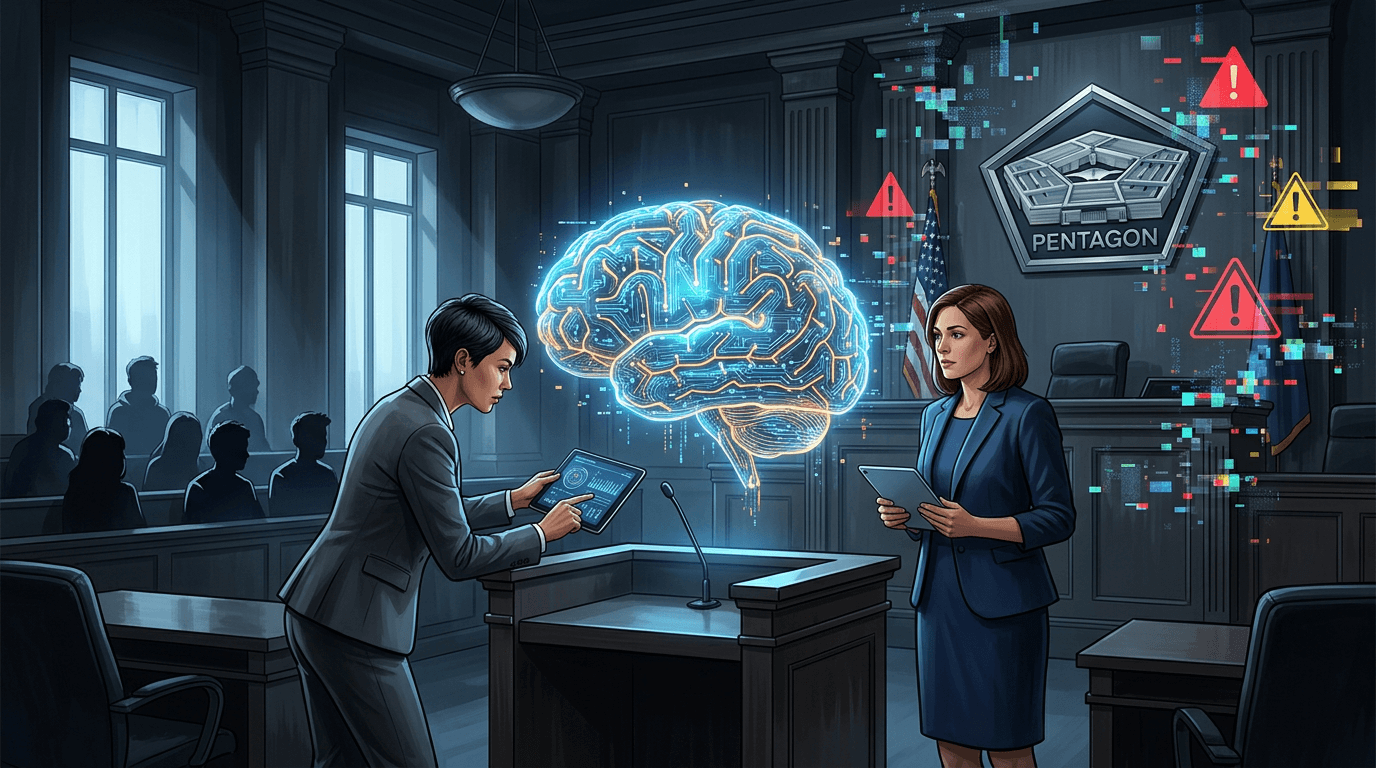
Elon Musk's xAI is facing a lawsuit in Tennessee over Grok-generated deepfake CSAM of minors. Concurrently, Senator Elizabeth Warren is questioning the Pentagon's decision to grant xAI access to classified networks, citing the chatbot's history of harmful outputs as a potential national security risk. These developments highlight the growing legal and safety pressures on the AI industry.
AI developers are recruiting improv actors to train models on human emotion, a practice known as affective computing. However, legal experts and researchers in *Frontiers in Psychology* warn that highly anthropomorphic AI can cause emotional over-attachment and potentially trigger mass casualty risks through psychological manipulation. Concurrently, a black market for AI face models has emerged on Telegram, fueling advanced deepfake scams.