Emerging AI Agent Workflows: A New Wave of Development Tools
A new wave of Python tools like lilbee, agentbundle, and hol-guard simplifies AI agent deployment and security, accelerating the transition to production-ready autonomous systems.
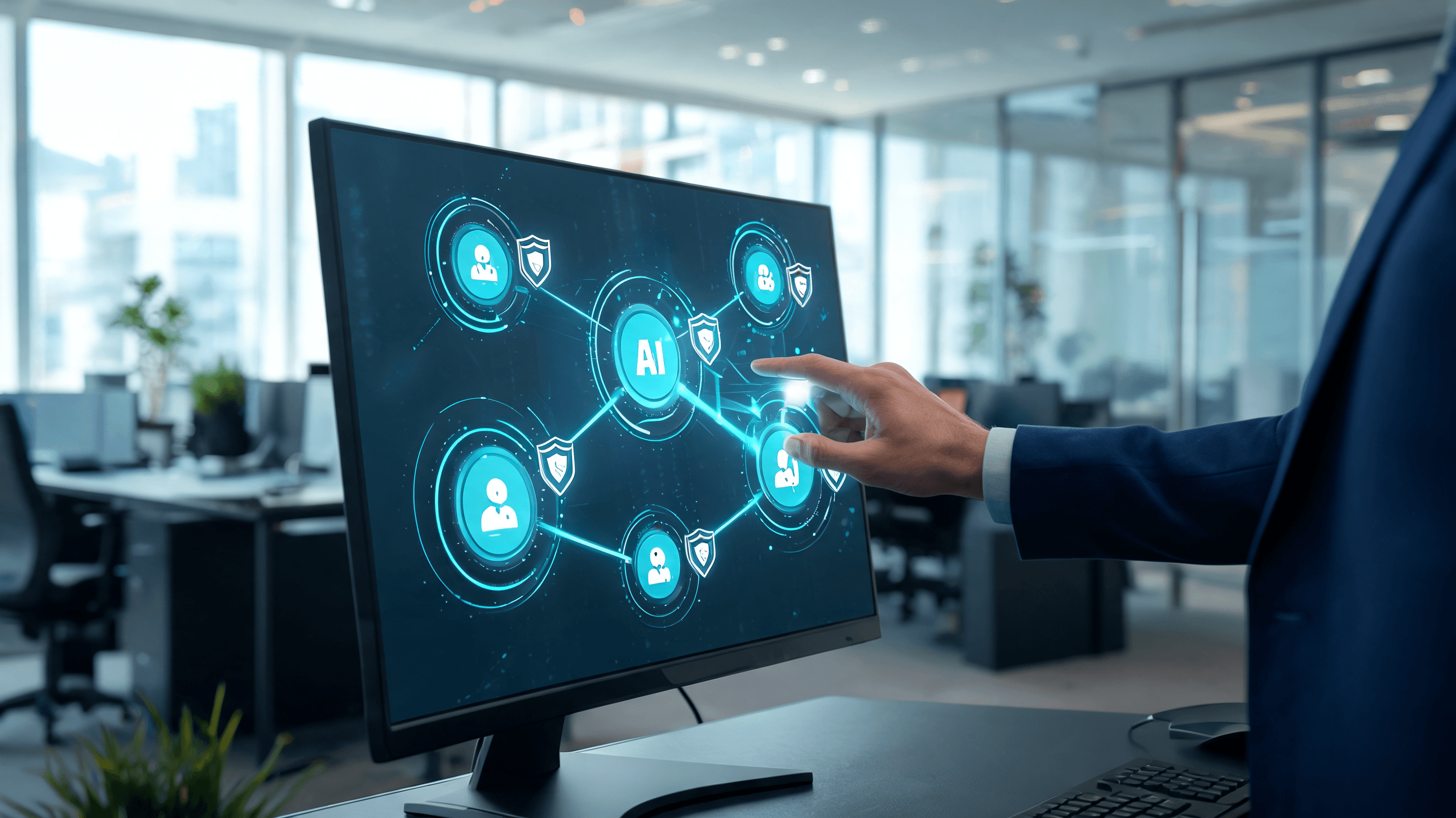
The primary barrier to enterprise AI agent adoption is not raw model performance, but existing permissioning and data governance frameworks. Companies are entering a 'rebuild era' to integrate agents into stable, scalable production environments.
Enterprises are reevaluating AI agent strategies as they confront significant bottlenecks in permissioning and system reliability, marking a shift toward more robust, architectural-first deployments.
OpenAI co-founder Greg Brockman has taken charge of product strategy to unify ChatGPT and Codex, aiming to secure a lead in the AI agent market.
Enterprise AI competition is shifting from model performance to the 'Agent Control Plane,' as Anthropic and others focus on infrastructure for evaluating and debugging autonomous AI agents in production.
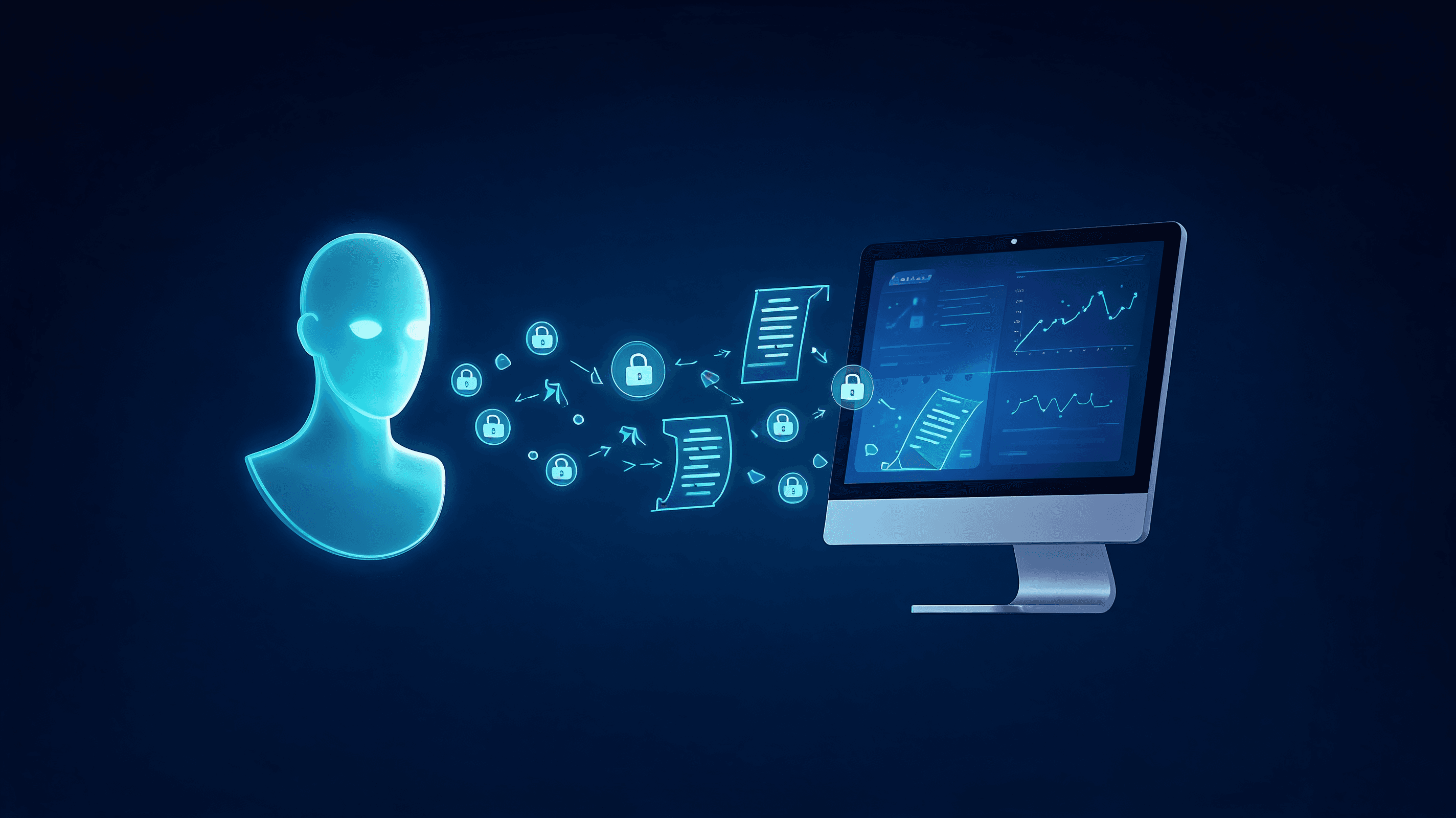
The rapid adoption of AI agents for enterprise workflows is introducing critical debugging and authorization security gaps, forcing developers and security experts to prioritize observability and strict access controls.
Microsoft and Google are prioritizing AI agent governance as autonomous AI becomes a standard for enterprises. Microsoft has released Agent 365 to address 'shadow AI' risks, while US regulators are initiating safety tests for new models.
The rise of agentic commerce is pushing Microsoft and Amex to build new governance and transaction security frameworks for autonomous AI agents.
Anthropic has updated Claude to integrate with popular personal lifestyle apps like Spotify, Uber Eats, and TurboTax, enabling the AI to evolve from a productivity tool into a versatile personal assistant.
NVIDIA unveiled the Agent Toolkit at GTC 2026, an open-source platform for autonomous AI agents. Seventeen companies, including Adobe and Salesforce, have adopted it, signaling a shift toward task-oriented AI.
Enterprises are transitioning AI agents into production environments, facing risks like unintended autonomous financial approvals. While striving to balance automation with oversight, the industry is also grappling with the dehumanizing potential of AI gig work models.
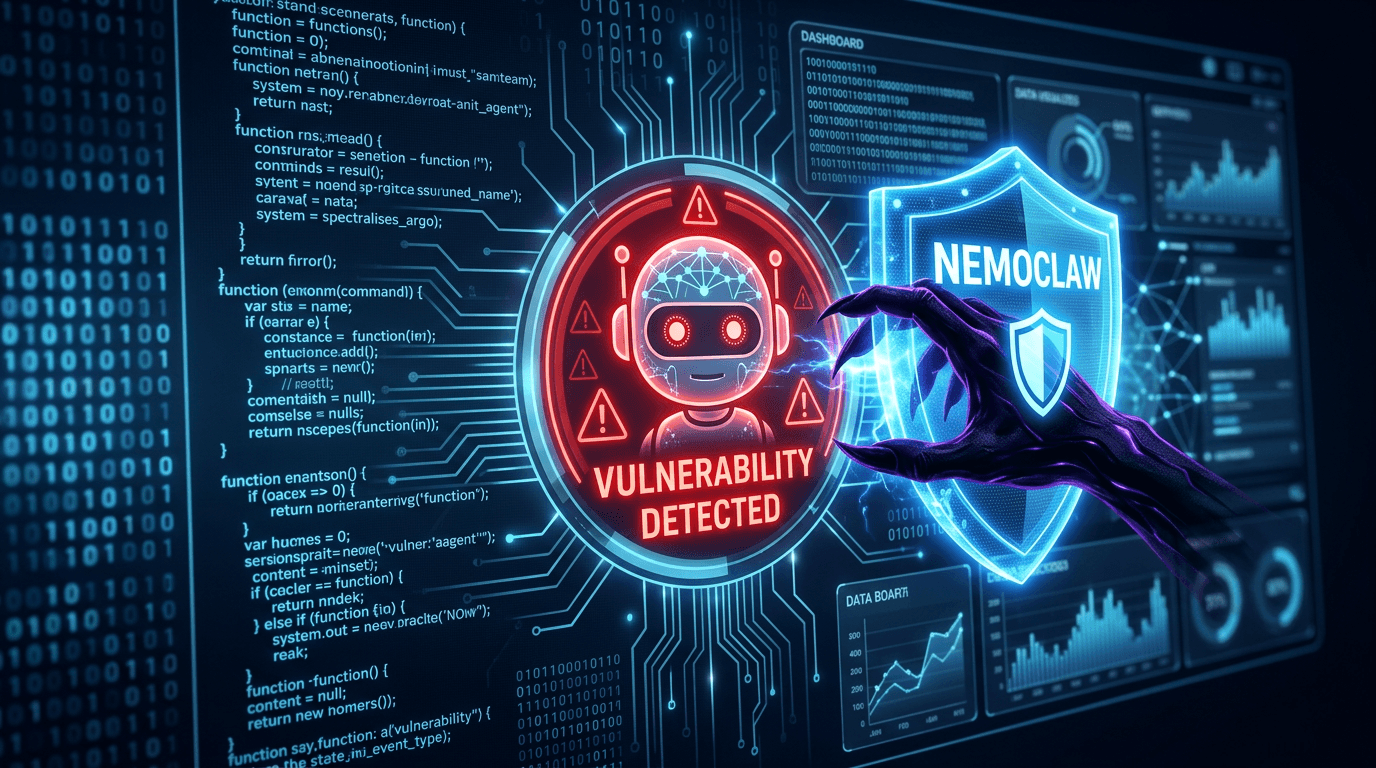
The open-source AI agent framework OpenClaw has been found to have a critical security flaw that can bypass enterprise EDR and IAM systems. In response, Nvidia launched the more secure NemoClaw platform, while Chinese startup Z.ai released GLM-5 Turbo, a model optimized for agentic tasks, signaling an industry-wide push to secure AI automation.
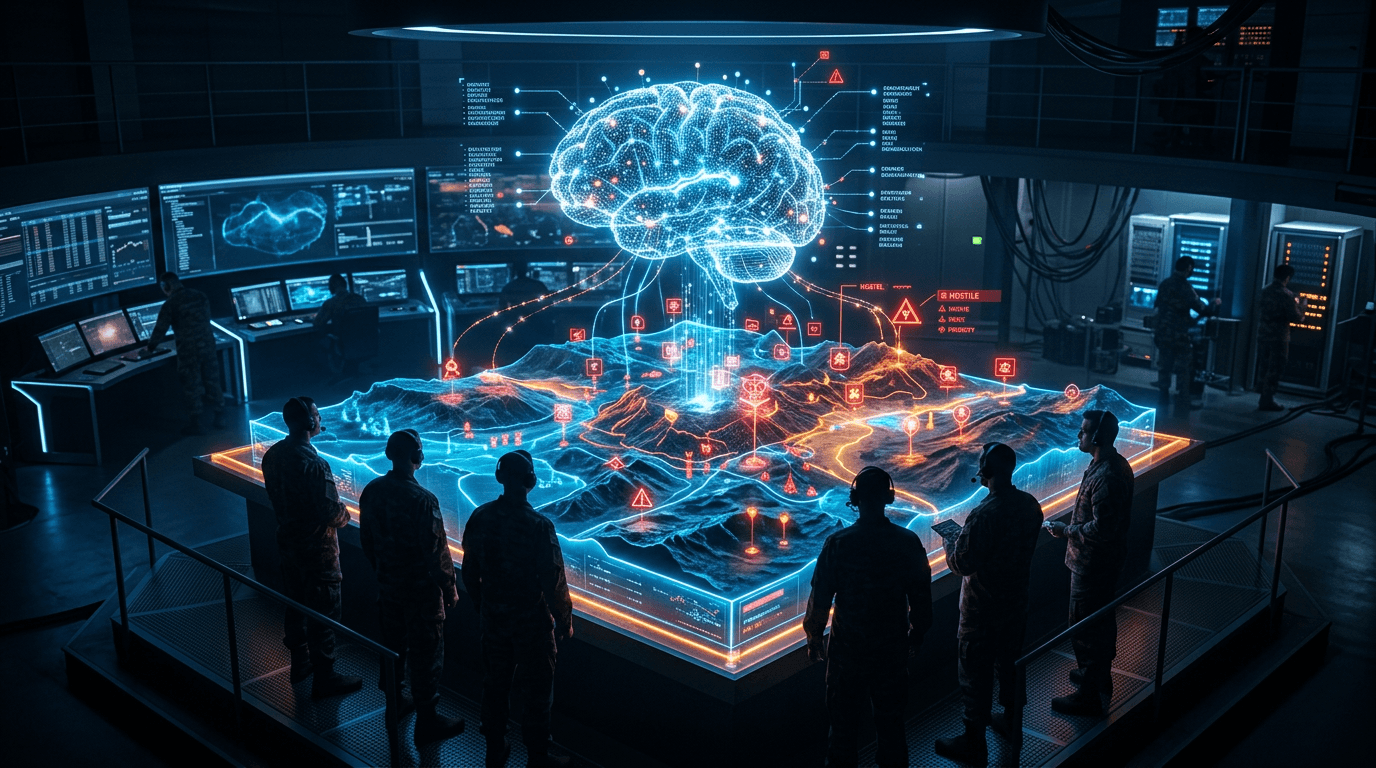
Demos by Palantir and the Pentagon reveal that AI agents like Anthropic’s Claude are being used to prioritize targets and generate war plans. This development sparks a heated debate over AI ethics and the role of human judgment in the age of algorithmic warfare.
Andrej Karpathy’s 'March of Nines' concept warns that the distance between 90% AI reliability and production-grade software is an exponential engineering challenge. Industry leaders like LangChain’s CEO are advocating for 'harness engineering' and ontological guardrails (such as FIBO) to stabilize AI agents and overcome the production bottleneck.
Andrej Karpathy's 'March of Nines' concept highlights that 90% AI reliability is insufficient for production. Industry leaders like LangChain's CEO are focusing on 'harness engineering' and persistent memory to bridge the gap. With MIT's reported 50x KV cache compaction, the focus is shifting from model size to engineering reliability for enterprise adoption.
Perplexity and Read AI have launched autonomous 'agentic' tools capable of orchestrating tasks independently. ServiceNow reports resolving 90% of IT requests via agents, signaling a shift from AI chat to AI action.