Meta Disables Instagram AI Deepfake Feature for Public Accounts Amid Scrutiny
Meta has announced the shutdown of an Instagram feature that allowed AI deepfakes of public accounts, responding to privacy abuse and regulatory scrutiny.
The Indian government is investigating Meta over its 'Muse' AI tool and child safety issues on Instagram, potentially threatening the company's legal safe harbor status.
The FBI is seeking real-time access to national ALPR databases, triggering backlash from privacy advocates concerned about mass surveillance and the erosion of Fourth Amendment protections in the digital age.
Internet users have misused AI to reconstruct the voices of deceased pilots, prompting the NTSB to restrict access to its investigation files to prevent further ethical and privacy violations.
Workplace surveillance tools, or 'bossware,' are exposing sensitive employee data to third-party ad brokers. This creates major legal and privacy risks, requiring urgent enterprise audits.
A new report exposes how AI companies and data brokers use 'dark patterns' to hinder user opt-outs, prompting increased regulatory scrutiny from the FTC and under EU GDPR frameworks.
The market for AI-connected toys is booming, but it has sparked privacy and child development concerns. Global regulators are strengthening statutes like COPPA to drive the safety and transparency of child-facing tech products.
The EFF is calling for an investigation into Google's data-sharing practices with ICE, arguing that the company fails to adequately notify users, which raises legal questions about user privacy and government surveillance.
Section 702 of the FISA is set to expire on April 20, 2026, triggering an intense congressional debate over the need to close warrantless surveillance loopholes.
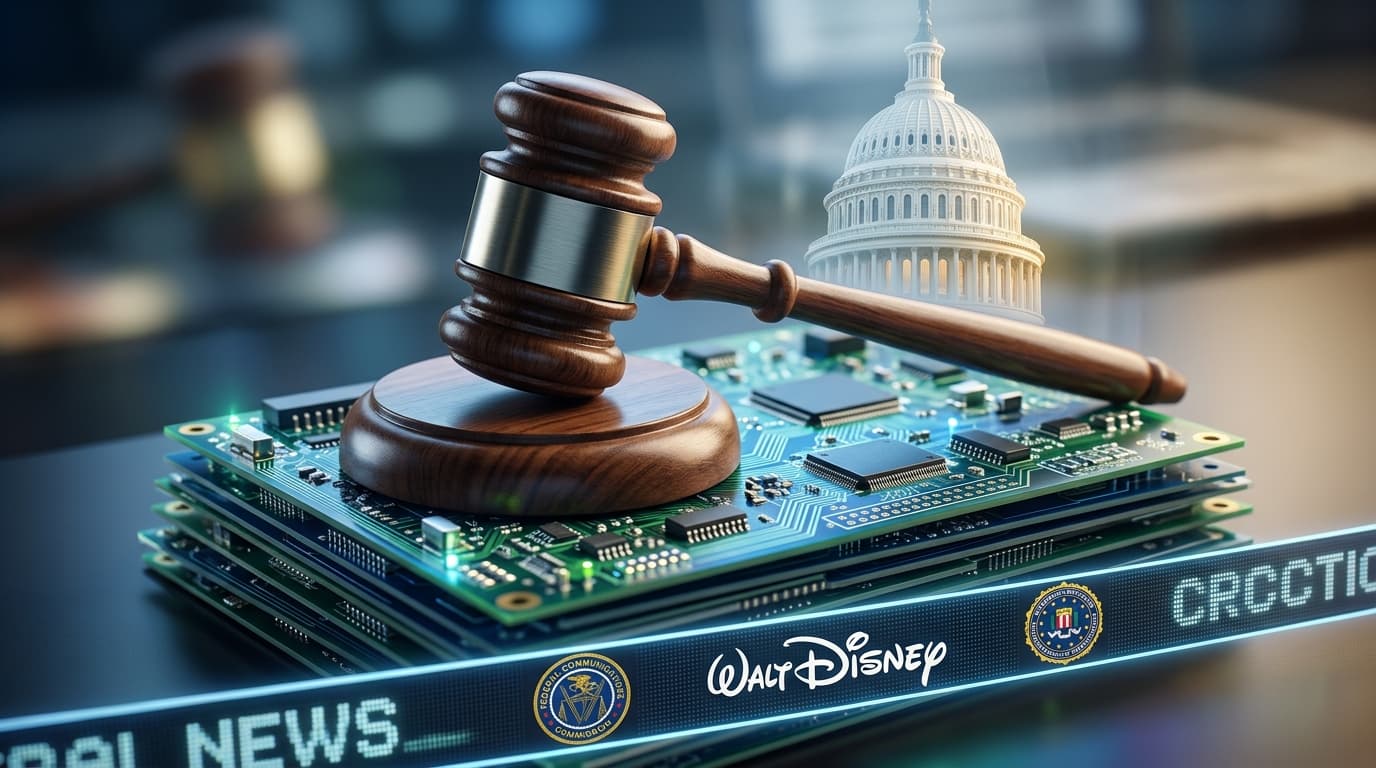
Internal records reveal the FCC coordinated to target Disney/ABC over content disputes, raising First Amendment concerns. Simultaneously, the US health department has dismantled 75 scientific advisory boards under RFK Jr., and the FBI has confirmed it is bypassing warrant requirements by purchasing private location data from commercial brokers.
FBI Director Kash Patel confirmed that the agency purchases commercially available location data of U.S. citizens, effectively bypassing the need for search warrants. This practice exploits a legal loophole and has sparked a fierce debate in Congress over the Fourth Amendment, leading to a push for new legislation to ban such warrantless acquisitions.
FBI Director Kash Patel confirmed the agency purchases commercial location data to track citizens, bypassing the Fourth Amendment's warrant requirements. This disclosure highlights a 'data broker loophole' and has fueled bipartisan support for the 'Fourth Amendment Is Not For Sale Act' to end warrantless surveillance.
CBP has been exposed for purchasing commercial advertising data to track phone locations, effectively bypassing Fourth Amendment warrant requirements. Meanwhile, Ring faces backlash over facial recognition, and global state actors are increasingly hijacking consumer cameras for espionage. Legislators are now racing to pass the 'Fourth Amendment Is Not For Sale Act' to close these surveillance loopholes.
Wired reveals that CBP is buying commercial ad-tech data to track mobile phones and partnering with Clearview AI for tactical facial recognition. This practice bypasses warrant requirements and raises Fourth Amendment concerns. Meanwhile, hacked consumer security cameras in conflict zones like Ukraine highlight the growing risks of IoT-based surveillance.