The New Battlefield for Catastrophe Models
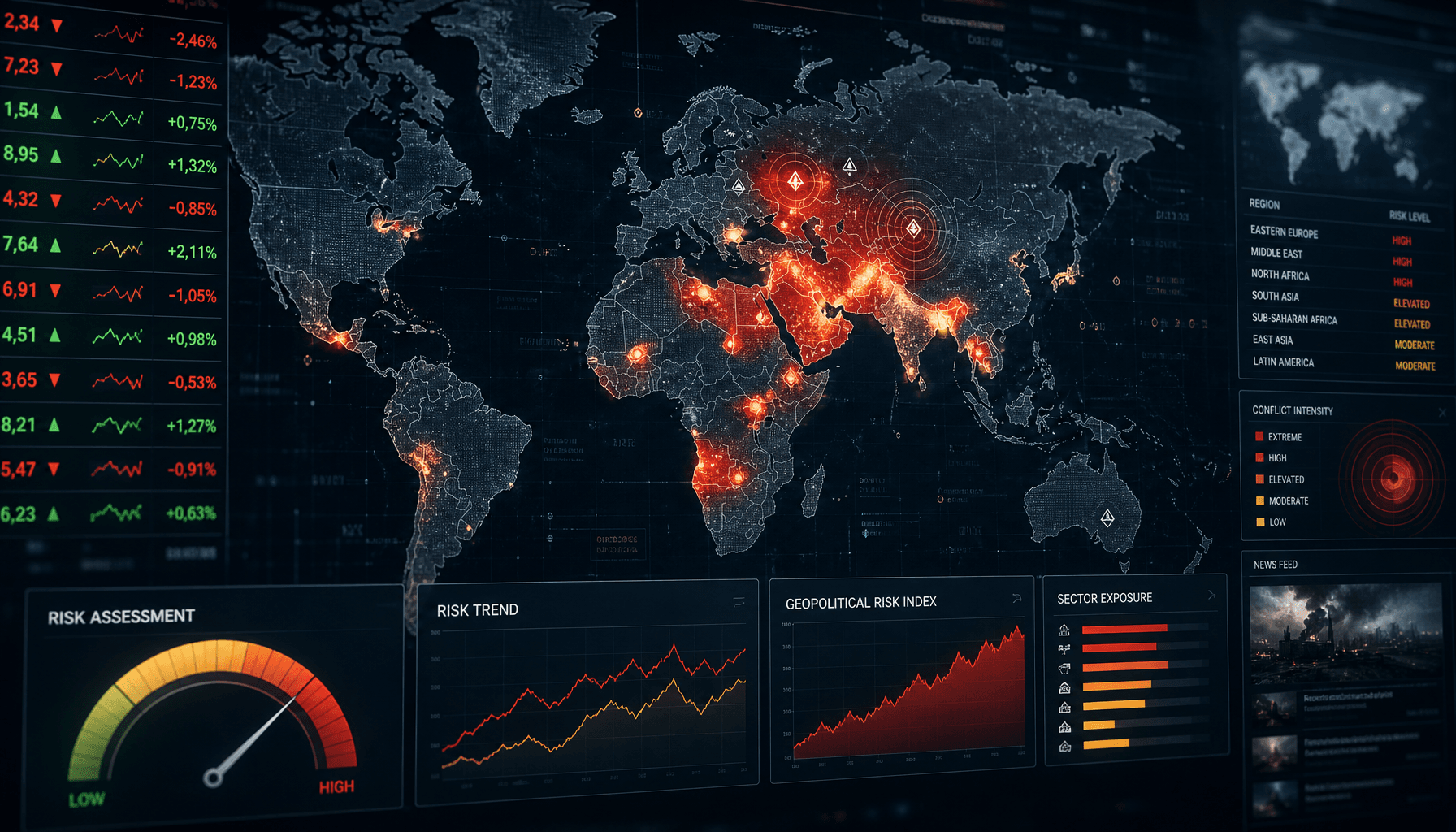
Wall Street is undergoing a paradigm shift in risk assessment. Traditionally, catastrophe models have been used by the insurance industry to estimate property losses from natural disasters like earthquakes and floods. However, facing an increasingly volatile global landscape, financial institutions have begun applying these sophisticated models to predict war-related risks. This reflects the extreme anxiety in global financial markets over geopolitical uncertainty; from oil price fluctuations to mortgage costs, war has become a core variable affecting asset pricing.
Technical Details and Predictive Logic
These catastrophe models leverage big data analytics, satellite imagery, and political risk indices to quantify the probability of conflict and its potential impact on supply chains. Compared to traditional econometric models, catastrophe models emphasize the likelihood of extreme events (Tail Risk). By simulating different conflict scenarios, financial institutions can assess their impact on various asset classes and adjust hedging strategies for their portfolios. According to technical literature, this approach effectively helps investors make faster asset allocation adjustments in the early stages of a conflict.
Expert Analysis and Data Trends
According to Google Trends data, search interest for 'geopolitical risk modeling' among institutional investors has shown steady growth, particularly in North American and European financial markets, where interest reached 82. Experts point out that incorporating military dynamics into financial models is a double-edged sword. On one hand, it improves the precision of risk pricing; on the other, if models rely too heavily on hypothetical data, they could trigger systemic panic selling. Currently, market acceptance of such tools is still in its early stages, and no unified industry standard has emerged.
Legal and Regulatory Challenges
Wall Street's use of catastrophe models to predict war risks has sparked potential legal and regulatory debates. Should investment banks disclose the logic behind models used for risk management? Who bears the responsibility if inaccurate model predictions lead to client losses? The current legal framework has yet to define clear standards for 'war risk models.' Regulators like the SEC may, in the future, include more compliance requirements regarding geopolitical risk modeling in risk disclosure mandates to prevent market manipulation or misleading behavior.
Future Outlook and Key Metrics
Key areas to watch include how these models perform in actual future conflicts. If they can successfully provide effective hedging signals before a war breaks out, it will trigger a new wave of fintech investment. However, the nature of war is often non-linear and unpredictable, and the limitation of these models lies in their inability to capture the randomness of human decision-making. Investors should remain cautious, treating these models as reference indicators rather than absolute truths, and continue to monitor whether international regulators will set standards for the 'standardized use' of such tools.