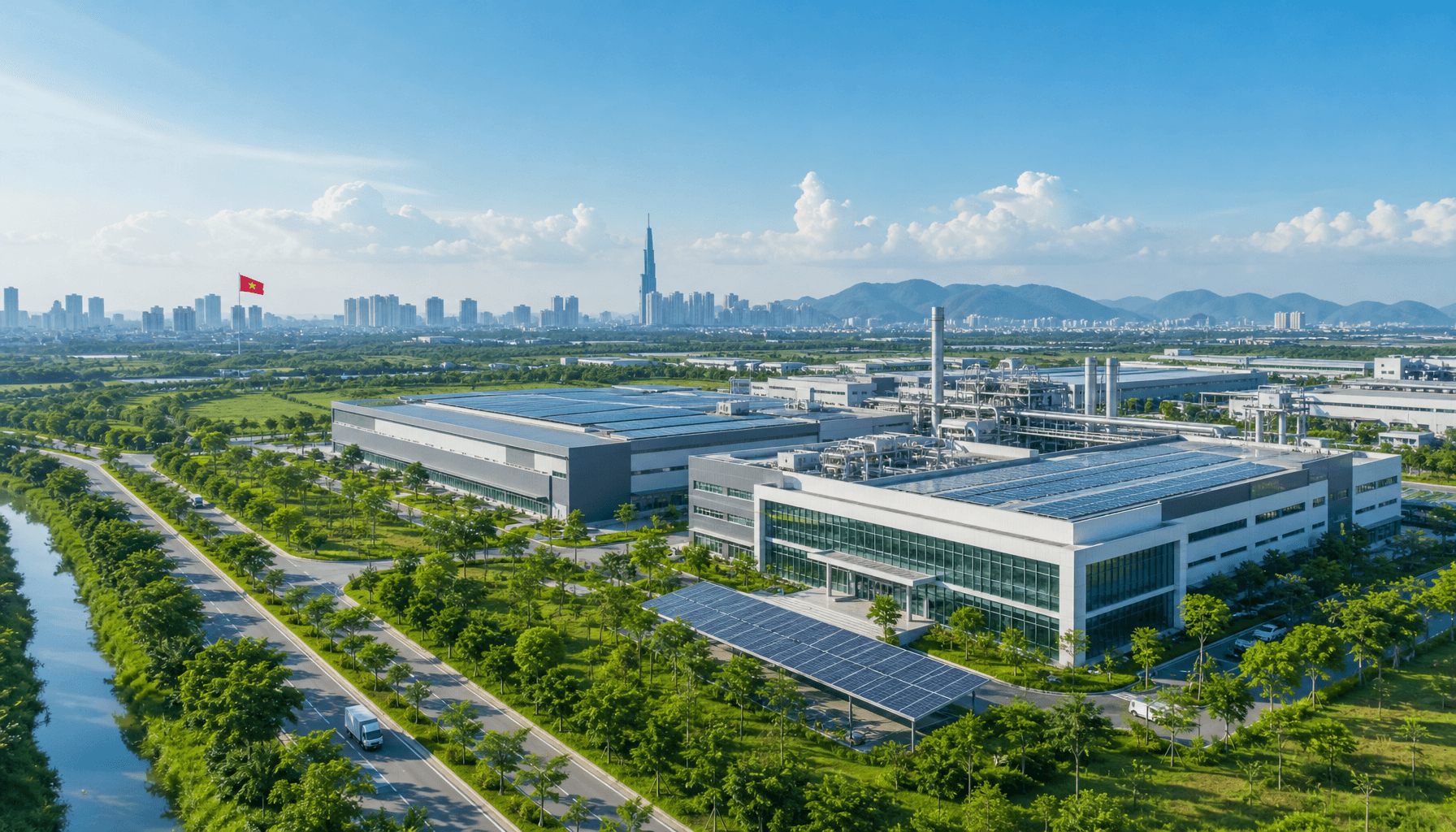
Strategic Upgrade of Vietnam's FDI Policy
The Vietnamese government’s recent release of "Resolution 10" marks a significant turning point in the country’s foreign direct investment (FDI) strategy. This policy is not merely about attracting capital but is designed to drive the upgrade of industrial structures. Unlike previous broad-based investment policies that focused on labor-intensive sectors, Resolution 10 explicitly prioritizes high-technology fields, sustainable development projects, and industries deeply integrated into global supply chains. Vietnam is attempting to ensure that every dollar of incoming capital aligns with its long-term digital transformation and environmental goals through a selective investment policy.
A Milestone Toward $1 Trillion in Trade
With the optimization of FDI structures, Vietnam’s economic strength has steadily increased. Recent data indicates that Vietnam is on track to surpass the $1 trillion total trade milestone for the first time in 2026. This milestone not only reflects Vietnam’s solidifying status as a global manufacturing hub but also highlights its growing prowess in electronic components, semiconductor packaging, and advanced manufacturing. This leap in trade volume is the culmination of long-term efforts to optimize the business environment and actively participate in regional trade agreements such as the CPTPP.
Structural Changes and Challenges
Despite strong growth, Vietnam’s economic transformation still faces challenges. According to economist analysis, transforming labor advantages into technological advantages requires significant investment in talent. The "quality innovation" emphasized in Resolution 10 requires foreign enterprises to not only produce in Vietnam but also invest in R&D. This poses a significant test for the technical accumulation of Vietnam’s local supply chains, yet it also provides golden opportunities for local SMEs to collaborate with multinational corporations and acquire technology transfers.
Search Trends and Market Attention
According to Google Trends data, search interest regarding "Vietnam economic policy" and "FDI strategy" has surged recently. In Taiwan, due to the high proportion of Taiwanese businesses investing in Vietnam, search interest in these topics reached 62, indicating high attention from the industrial sector regarding the details of the new policy. In international markets, search interest for Vietnam’s manufacturing transformation has reached 85, showing that amidst the global supply chain diversification trend, Vietnam has become a key area for international capital layout.
Legal and Regulatory Compliance Analysis
Resolution 10 introduces stricter entry requirements from a legal perspective. This means that foreign companies entering the Vietnamese market in the future must submit more detailed environmental impact assessments and technology transfer commitments. For corporate legal teams, this resolution is not just a policy guide but the core basis for future compliance reviews. Experts suggest that companies should adjust their operational models in Vietnam early to meet the Vietnamese government’s standards for "green" and "smart" manufacturing.
Future Outlook: Vietnam’s Role in Regional Supply Chains
Looking ahead, Vietnam’s role will shift from an "assembly plant" to a "technology and supply chain node." As Resolution 10 is implemented, Vietnam is expected to attract more high-value multinational investment. Key metrics to watch include the number of foreign R&D centers established and the maturity of local supply chains. For global investors, Vietnam is no longer just a low-cost manufacturing alternative but a long-term investment destination with strategic resilience.