Defending the Tech Supply Chain Through a National Security Lens
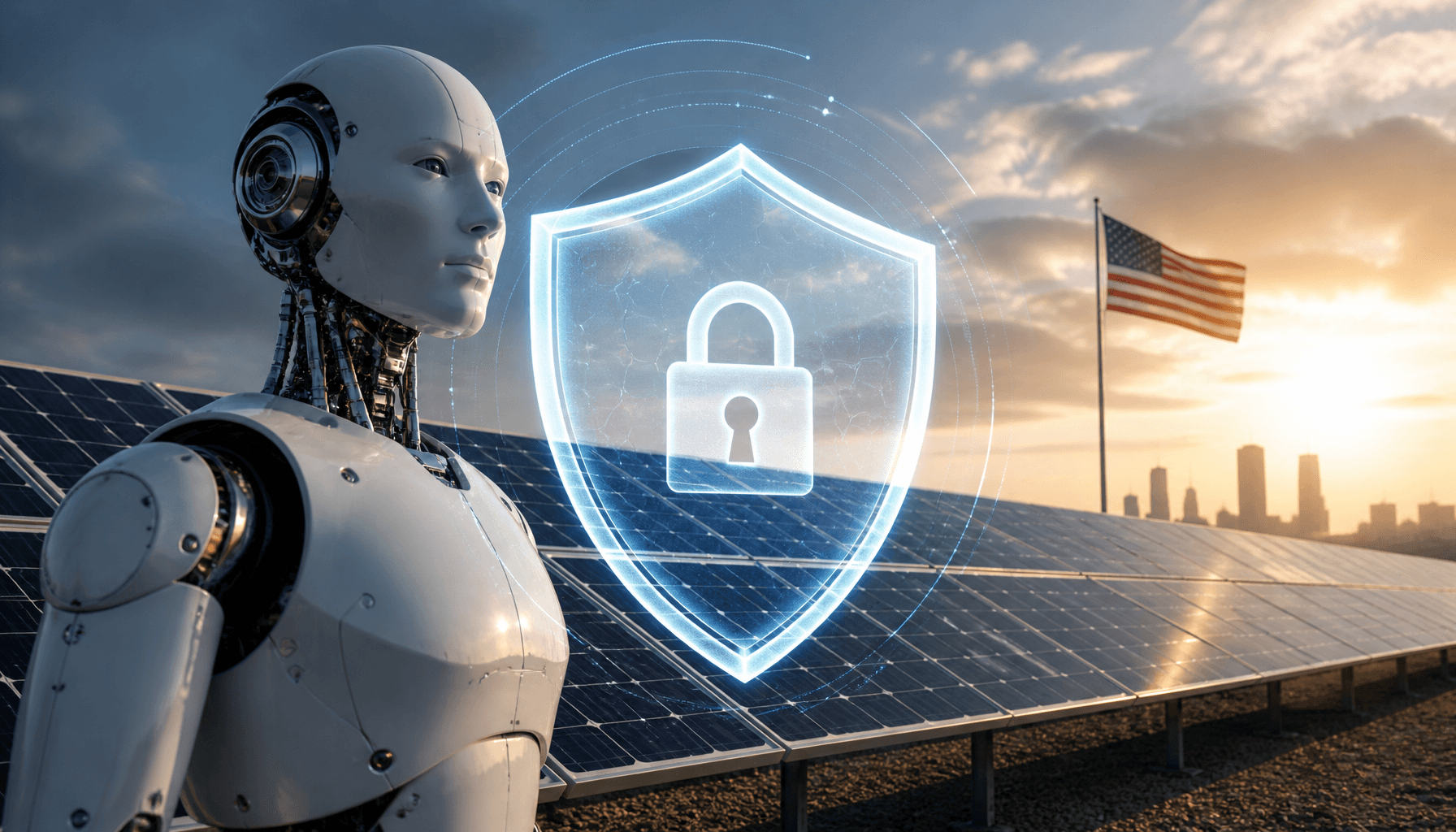
The US Federal Communications Commission (FCC) has taken significant action by adding foreign-produced humanoid robots, quadruped robots, and solar inverters to its "Covered List." The core consideration behind this decision is national security. According to the FCC's announcement, when these devices are integrated into US critical infrastructure, they pose an unacceptable threat to digital security and economic stability if they possess cybersecurity vulnerabilities or are potentially manipulated by foreign governments.
Decision Background and Inter-Agency Coordination
This ban was not an impulsive decision by a single agency but a consensus reached following a national security meeting convened by the White House, involving the Pentagon and the Department of Homeland Security (DHS). The focus of the decision is that these devices often possess high-level data collection capabilities and networking attributes; if a cyber breach occurs, it could directly threaten power grid operations or sensitive data privacy. Authorized under the Secure and Trusted Communications Networks Act of 2019, this action grants the FCC the authority to exclude high-risk hardware.
Industry Impact and Technical Challenges
This ban has profound implications for the robotics and green energy industries, which rely on global supply chains. As solar inverters serve as core components for converting green energy, their security is directly linked to grid stability. Meanwhile, humanoid robots are viewed as a new form of potential "espionage devices" due to their capabilities in image and sensor data collection. Industry experts point out that this will force US companies to re-evaluate their supply chain configurations, increasing requirements for local manufacturing and supply chain transparency. However, in the short term, this may also trigger cost increases and technical supply gaps.
Data and Public Concern
According to Google Trends data, search interest in the US regarding "national security and tech hardware" has risen by 68%, indicating that the public is highly alert to the cybersecurity risks behind tech products. Tech commentary suggests that this reflects a strategic shift in the global tech market from "efficiency-first" to "security-first." For tech companies, security compliance will become the primary barrier to market entry when entering the US, beyond mere product performance.
Future Outlook and Key Metrics
Looking ahead, the FCC's "Covered List" is expected to continue expanding to include more critical hardware with data transmission capabilities. Key areas to watch include: first, how affected enterprises adjust their supply chains to comply with US regulations; second, whether other countries will follow suit, leading to further fragmentation of the global tech supply chain; and third, whether the robotics industry can accelerate local R&D capabilities in the absence of foreign critical component support. This policy action is not just an increase in trade barriers; it is a turning point for the global tech industry within the context of national security competition.