Market Performance and Historical Context
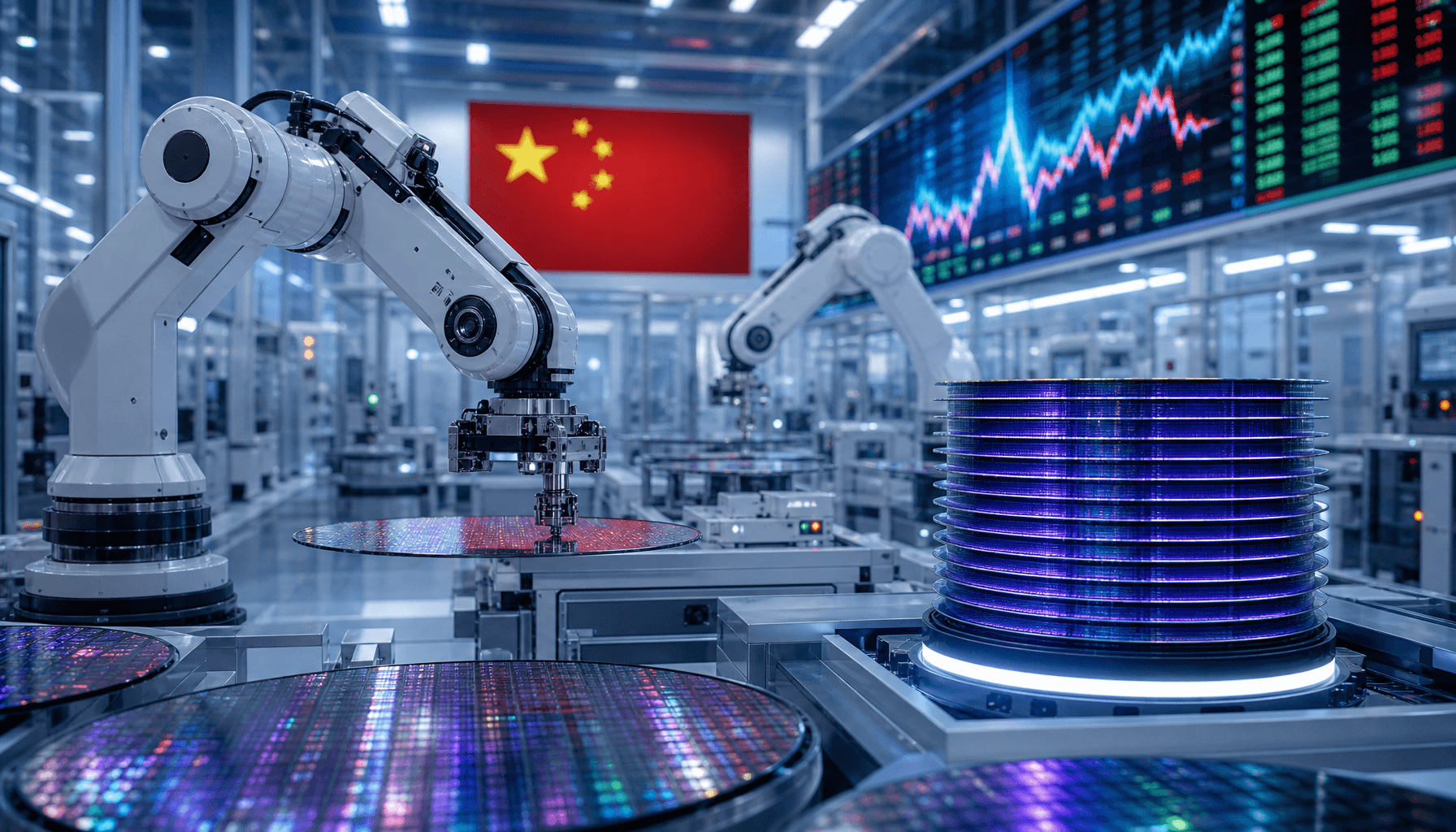
U.S. equity markets have closed the first half of 2026 with their strongest performance since 2020. This remarkable rally occurred despite significant headwinds, including escalating geopolitical tensions in Iran and persistent volatility in global inflation data. The market’s resilience is primarily attributed to the explosive growth of the semiconductor sector and the sustained, heavy investment in AI infrastructure by major global tech firms.
According to financial data, the VanEck Semiconductor ETF achieved a staggering 82% gain year-to-date, while the Nasdaq Composite surged 21%. This divergence highlights how investor capital continues to flow into high-growth tech sectors, even as macroeconomic uncertainty lingers.
The Dominance of Chip Stocks
Semiconductor stocks have led the market charge due to the insatiable demand for computing power required to train and deploy advanced AI models. Beyond the massive capital expenditures from "hyperscalers" in cloud infrastructure, the broader push for digital transformation across traditional industries has ensured a robust pipeline of orders for chip manufacturers. This shift in demand has fundamentally altered the valuation landscape for the industry, providing a strong floor for tech-heavy portfolios.
Google Trends data indicates that interest in "AI chips" has reached historical highs in tech-centric states like California and Texas. Investors are not only focused on the chip giants but are also increasingly looking at the downstream supply chain—including testing, packaging, and equipment manufacturers—reflecting a deepening recognition of the entire AI ecosystem's value.
Resilience Amid Geopolitical Headwinds
Perhaps most surprising is the market’s ability to remain optimistic despite the energy price volatility triggered by the tensions in the Strait of Hormuz. Analysts suggest that AI is increasingly viewed as a "productivity hedge," with investors betting that the long-term value creation from AI will outweigh the short-term cost pressures imposed by geopolitical instability. This represents a significant shift in market psychology, where technological innovation is treated as a core defense against macroeconomic shocks.
However, the market is not without its risks. Inflation expectations and uncertainty regarding future interest rate policies remain the primary "known unknowns" for the second half of the year. If geopolitical tensions lead to a sustained spike in energy prices, the resulting inflationary pressure could force central banks to tighten monetary policy, potentially compressing the valuation multiples of high-growth tech stocks.
Structural Trends and Future Challenges
Looking ahead, the chip industry is undergoing a structural transition toward "Compute-as-a-Service" (CaaS). This shift demands not only continuous hardware improvements but also deeper integration with software ecosystems. For market participants, the focus will be on whether leading firms can maintain their competitive edge in AI compute while managing supply chain costs influenced by global geopolitical shifts.
Furthermore, recent policy adjustments regarding semiconductor export controls—such as the easing of restrictions on certain AI models—have introduced new variables into the mix. While aimed at maintaining U.S. technical leadership, these policies add layers of complexity to global supply chain management.
Investor Indicators to Watch
For the remainder of 2026, investors should focus on several key metrics: First, the capital expenditure (CapEx) guidance from large-cap tech companies in their quarterly reports; second, the trend in global shipping costs and energy prices, as these directly impact corporate margins; and third, the Federal Reserve’s interest rate policy as it balances economic resilience with inflation concerns.
In summary, the first half of 2026 has been defined by a tech-led growth narrative that remains remarkably resilient. While risks from geopolitical conflicts and inflation persist, the explosive growth in AI infrastructure continues to provide a robust pillar for market optimism.