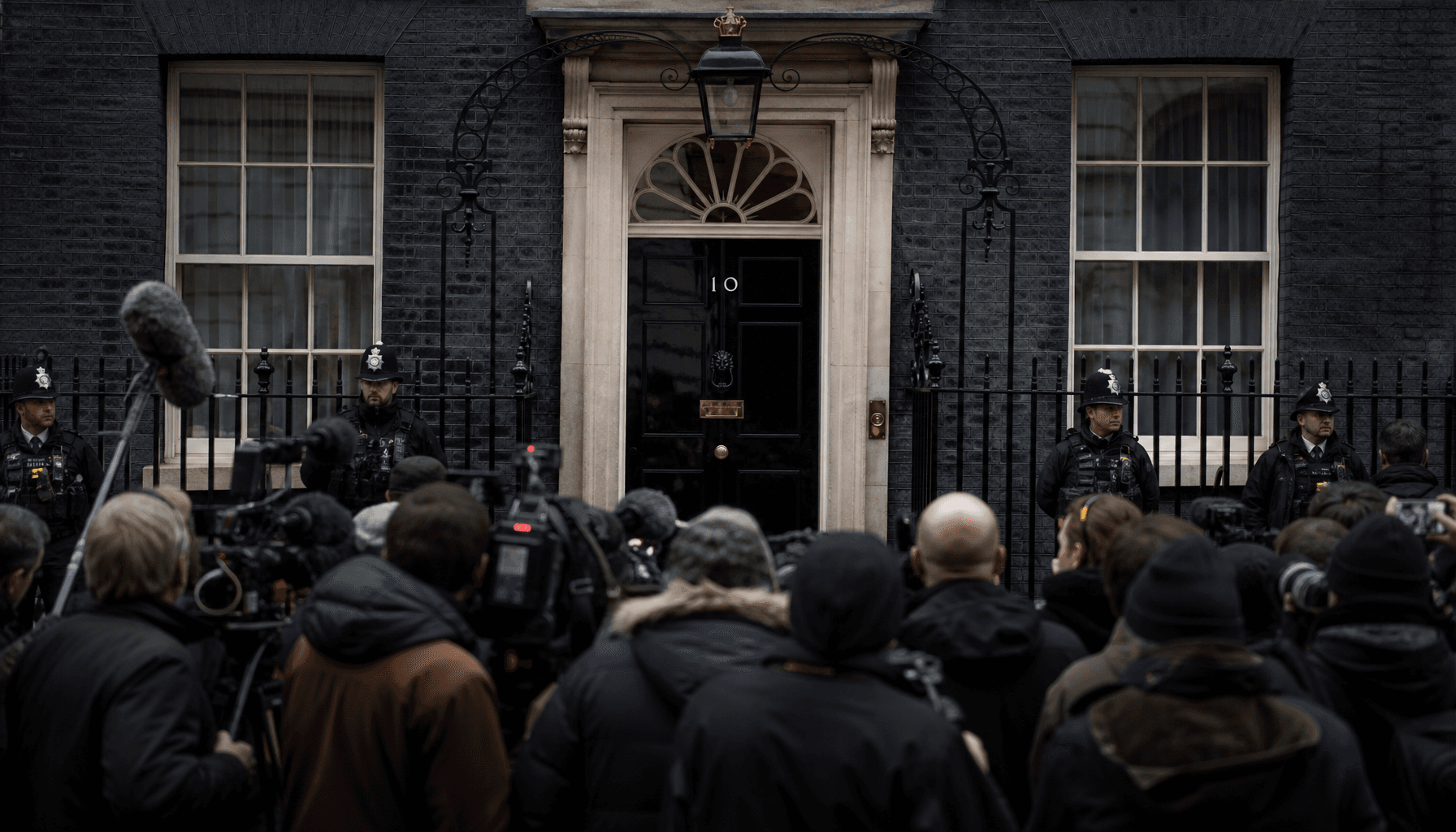
The Downfall of a Prime Minister
In a seismic shift for British politics, Keir Starmer has officially resigned as Prime Minister of the United Kingdom. This departure comes less than two years after he led the Labour Party to a historic landslide victory in the 2024 general election, a turn of events that has left Westminster in a state of shock. According to reports from the Economic Times, Starmer's downfall was precipitated by a rapid erosion of support among his own ranks, leading to a profound leadership crisis within the Labour Party.
A Dramatic Fall from Triumph
Starmer entered Downing Street with a mandate for stability and change, aiming to rebuild public services and restore economic confidence. However, his tenure was quickly marred by persistent challenges, including the ongoing cost-of-living crisis and internal friction over the direction of government policy. While various reports have speculated on the specific catalysts for his resignation, including unverified links to the Peter Mandelson-Epstein scandal, the exact circumstances remain a subject of intense debate rather than established fact.
The Pattern of Political Instability
Starmer’s resignation marks the sixth time a British Prime Minister has stepped down in less than a decade. This trend of high turnover has become a defining characteristic of the modern UK political landscape, raising questions about the resilience of its governing institutions. From Cameron to May, Johnson, Truss, Sunak, and now Starmer, the frequency of leadership changes suggests a systemic instability that has become a major concern for both domestic citizens and international observers.
Economic and Market Implications
Financial markets in London reacted with expected caution to the news. While the UK has become accustomed to political volatility, the prospect of a prolonged period of uncertainty weighs heavily on investors. The stability of the pound and the performance of UK government bonds are being closely monitored, as analysts look for signals regarding the potential for an early general election. The economic climate, already fragile under global inflationary pressures, now faces an additional layer of uncertainty as the nation awaits a transition in leadership.
Looking Ahead: The Path to Succession
The Labour Party has officially initiated the process to select a new leader. The coming days will be marked by intense lobbying and internal maneuvering as various factions attempt to consolidate their influence. The challenge for the next Prime Minister will be significant: they must address the underlying economic issues that fueled public dissatisfaction while simultaneously attempting to unify a fractured party. The global community remains watchful as the UK navigates this latest crisis of governance.