The Engine of AI Hardware Demand
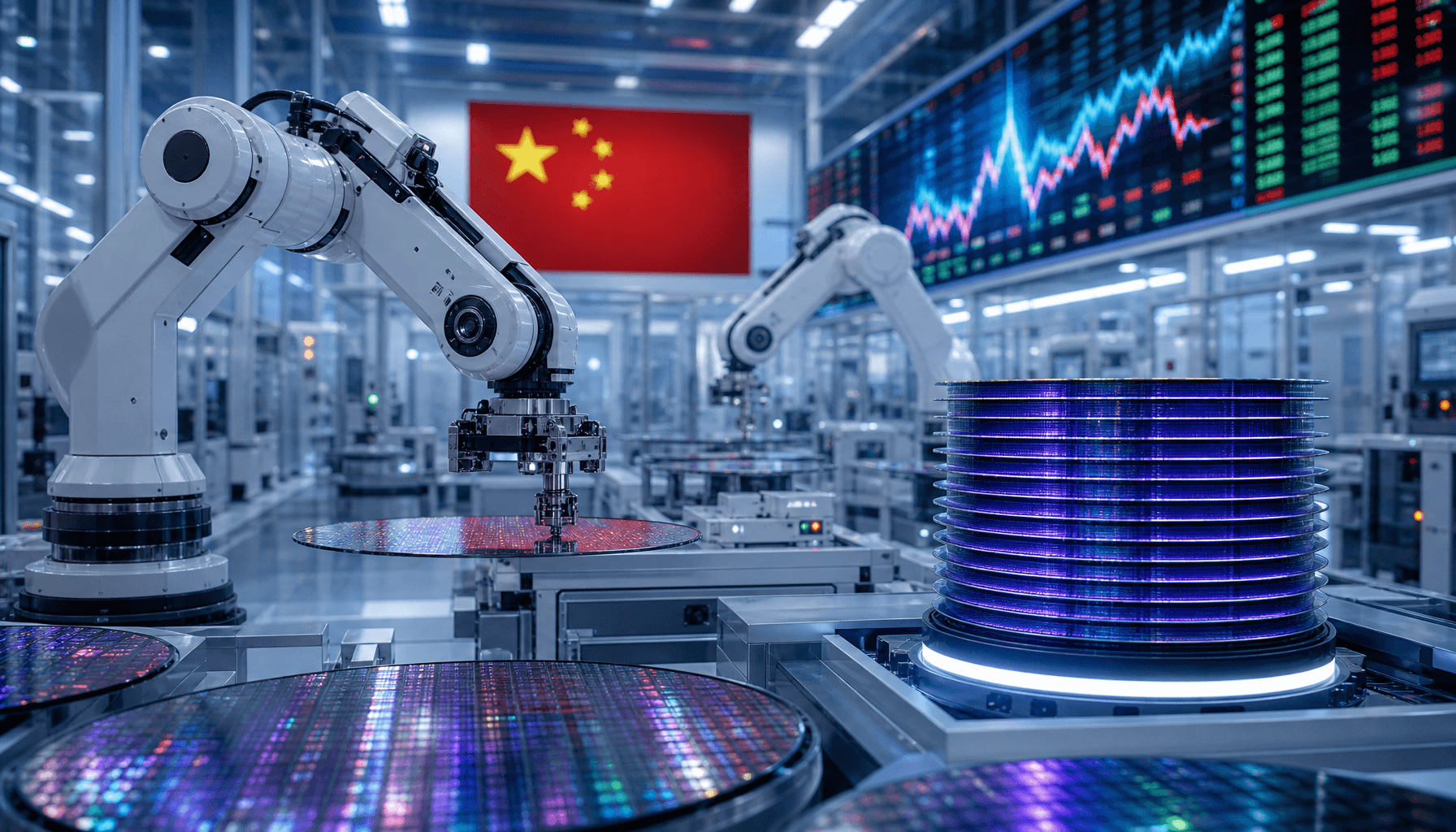
As the global technology landscape undergoes a massive transformation, the demand for Artificial Intelligence (AI) hardware has become the core engine driving the semiconductor industry. TSMC's latest financial results indicate that its second-quarter revenue has hit a historic high. This stellar performance is primarily attributed to the sustained global demand for High-Performance Computing (HPC) chips and AI processors. According to reports from Livemint, TSMC recorded a staggering 68% surge in June revenues, underscoring the relentless momentum in the AI hardware supply chain.
Financial Growth and Technical Drivers
Analyzing the financial metrics, TSMC's sales growth for the year has been remarkable, reaching a 36% year-on-year increase. This is not merely a benefit of technology cycles but a reflection of TSMC's absolute dominance in advanced process nodes, such as 3nm and 5nm. As major tech giants race to expand their AI data center footprints, TSMC, as the world's most critical foundry, has maintained extremely high capacity utilization rates, providing a solid foundation for its revenue growth.
Market Data and Trends
According to Google Trends data, search interest for keywords related to "TSMC" and "AI chips" has shown a distinct upward trend in both Taiwan and the United States. In Taiwan, search interest for related topics remains high at 82, while in California, a hub for technology, interest has reached 78. This data indicates that investors and industry observers are closely monitoring how TSMC plans to meet future AI computing demands.
Impact on the Industry Ecosystem
TSMC's growth represents more than just the success of a single enterprise; it serves as a microcosm for the entire AI ecosystem. As AI models continue to scale in parameters, the requirements for chip compute density and energy efficiency have become increasingly stringent, making TSMC's advanced packaging technologies—such as CoWoS—an indispensable choice for customers. Market analysts point out that TSMC's success lies in its ability to translate cutting-edge scientific research into mass-production capabilities, establishing its position as the "cornerstone" of the AI era.
Regulatory and Geopolitical Considerations
Despite strong financial performance, TSMC must navigate the geopolitical challenges arising from global supply chain restructuring. Governments worldwide are increasingly demanding self-reliance in semiconductor supply chains, forcing TSMC to diversify its production footprint across multiple countries. While these initiatives increase operational costs, they are strategic moves to mitigate regional supply risks and ensure long-term bargaining power in the global market.
Future Outlook and Key Watchpoints
In the coming quarters, the market will focus on TSMC's progress in 2nm process mass production and whether AI demand will fluctuate in response to potential capital expenditure adjustments by tech giants. Furthermore, as AI applications expand from the cloud to edge computing, how TSMC adjusts its product mix to address diverse market demands will be a critical factor in driving continued revenue growth. TSMC's historic growth serves as a major boost to the development of the global AI industry.