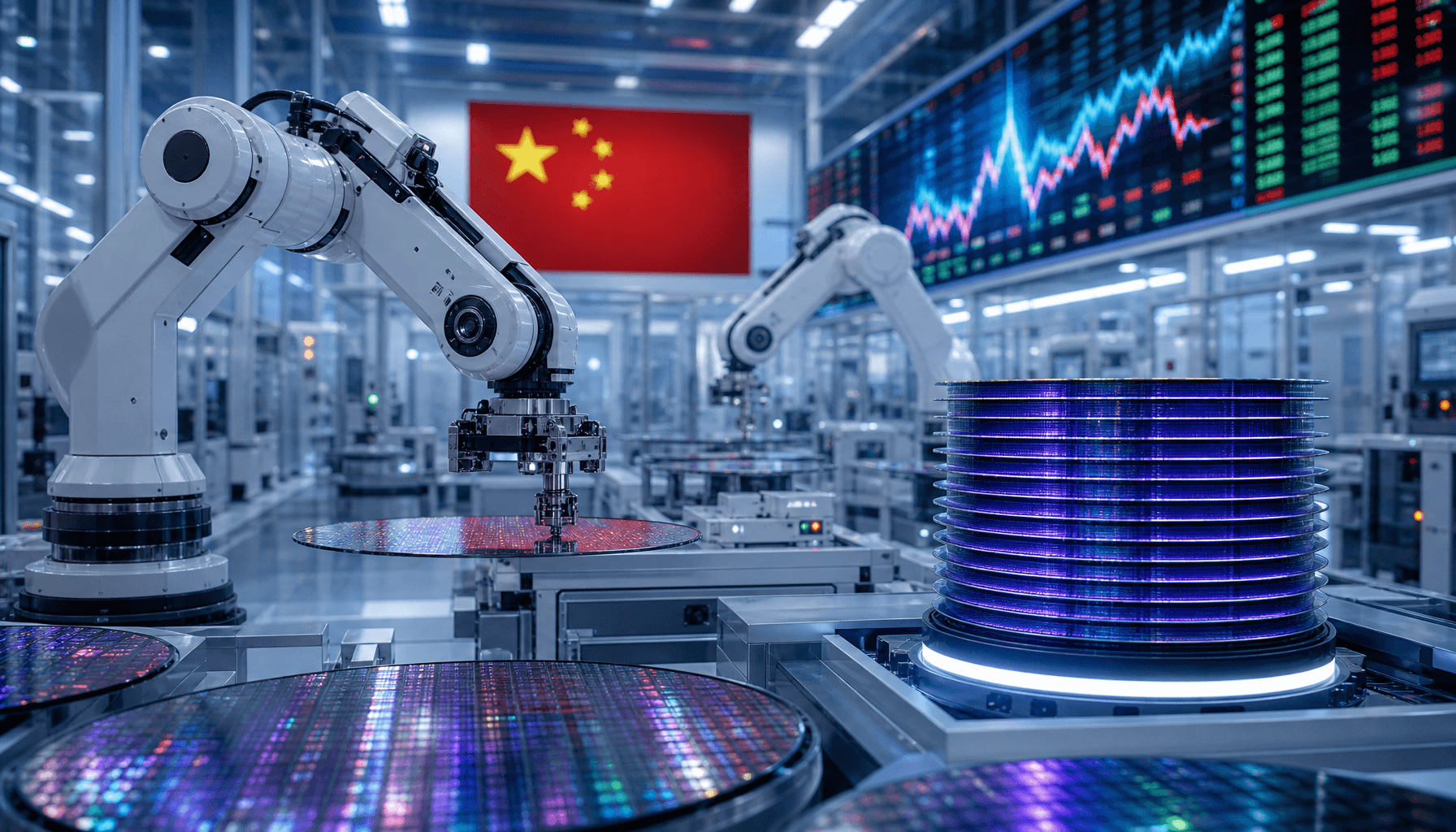
The Emergence of Physical AI: Bridging the Gap Between Digital and Physical
As artificial intelligence transcends the boundaries of digital space, Physical AI has emerged as the next frontier of global technological competition. Recent developments in China have underscored this shift: Beijing-based Striding AI has announced the development of next-generation robotic foundation systems designed to accelerate the deployment of Physical AI, while Matrix Robotics showcased its MATRIX 3 humanoid robot performing as an AI barista at the World Economic Forum (WEF) Summer Davos in Dalian. These milestones are more than mere technical demonstrations; they signal that Embodied AI is rapidly transitioning from laboratory research to commercial viability.
Technical Innovations in Robotic Foundation Systems
Striding AI's new foundation system aims to address the critical challenge of robot adaptability in complex, unstructured environments. Unlike traditional robots that rely on pre-programmed sequences, Physical AI integrates large-scale models that grant robots the autonomy to perceive, reason, and act. This architecture combines advanced visual perception, tactile feedback, and motion planning, allowing robots to manage unexpected variables just as humans do. Industry experts view these systems as the cornerstone for large-scale robotic deployment, as they significantly reduce development cycles and improve operational flexibility.
Commercializing Embodied AI
The deployment of the MATRIX 3 at the Summer Davos highlights the practical application of humanoid robots in the service sector. Beyond its ability to operate coffee machines with precision, the robot’s integration with natural language processing allows for real-time interaction with guests. While the task itself is specific, the underlying architecture involves complex hand-eye coordination and semantic understanding. This successful showcase has garnered significant attention, with digital tracking tools showing a sharp increase in interest within tech circles, reflecting the growing public fascination with embodied intelligence.
Market Trends and Global Competition
Data from market research firms indicates that investment in humanoid robotics within the Asian market is growing exponentially. Unlike the U.S., which maintains a lead in large foundation model research, Asian manufacturers are focusing on integrating AI technology with existing manufacturing strengths to drive practical deployment. This trend is mirrored in tech communities in California and Taiwan, where search interest for these topics has reached scores of 85 and 62, respectively. This divergent competitive landscape is characterized by the simultaneous iteration of hardware and algorithms.
Future Outlook and Regulatory Considerations
Despite rapid progress, the large-scale deployment of Physical AI faces significant challenges. Safety remains the paramount concern; ensuring secure interaction between robots and humans in shared environments is a top priority for global regulators. Furthermore, the standardization of hardware and software, data privacy, and ethical frameworks must be addressed by industry stakeholders. As the technology matures, we anticipate a surge in humanoid robots entering manufacturing, logistics, and home services, fundamentally altering the paradigm of human-robot collaboration.