A New Era for Quantitative Investment
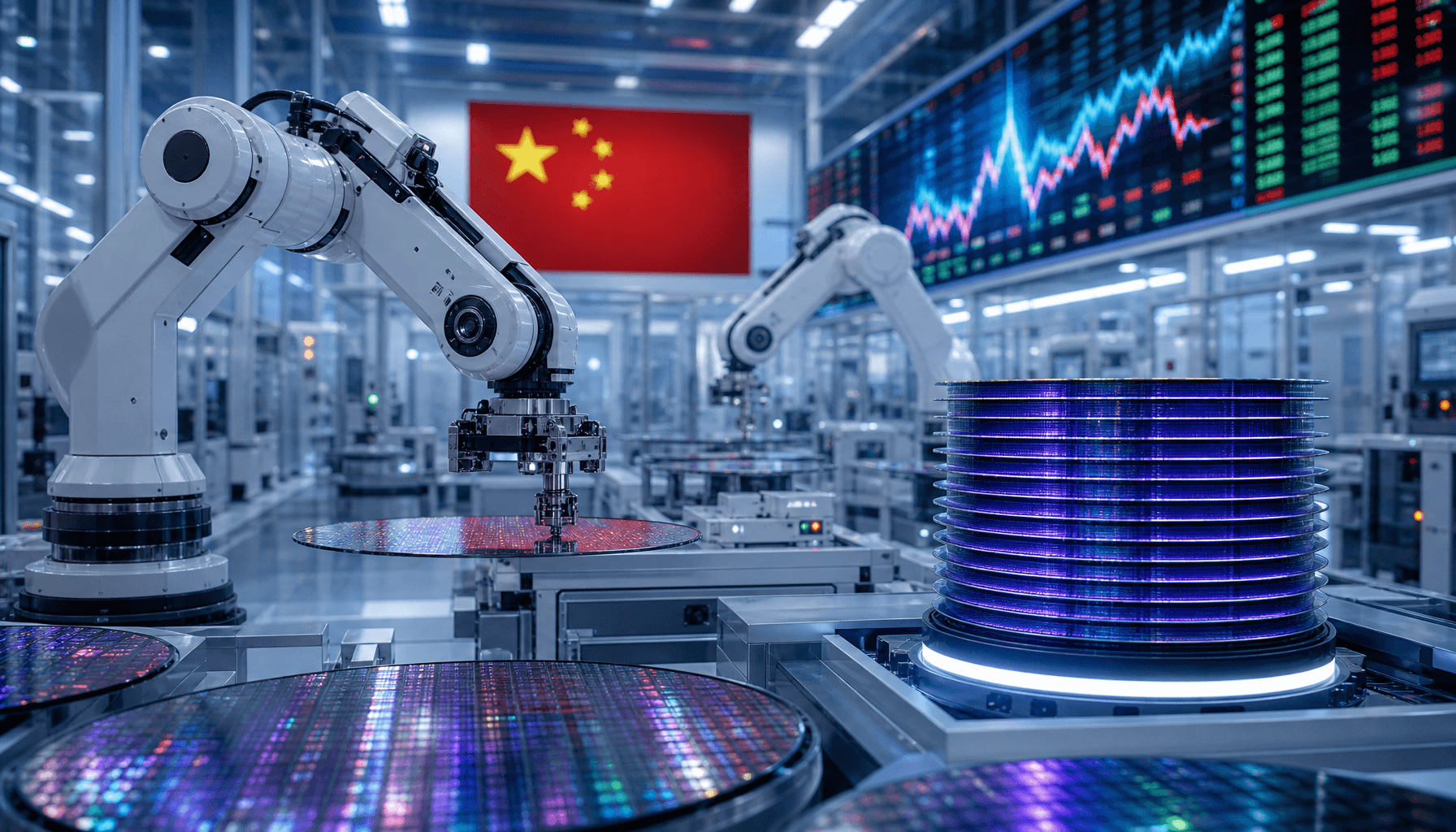
As artificial intelligence (AI) technology matures, the global financial market is undergoing a revolution driven by data and algorithms. In China in particular, AI-powered quantitative funds are attracting billions of dollars in assets. By utilizing machine learning models to analyze market data at millisecond speeds, these funds have consistently outperformed human traders. This trend is not only reshaping the operations of asset management firms but is also exerting a profound impact on market liquidity and structure.
Why AI Outperforms Human Traders
The core advantage of AI-powered quant funds lies in their ability to process massive amounts of unstructured data. While human traders are constrained by emotional and physiological limits, AI models can simultaneously monitor global news, social media sentiment, macroeconomic data, and technical indicators, executing trades in real-time based on these variables. According to reports from the Business Times, Chinese AI quant funds have demonstrated greater resilience and efficiency than traditional active management funds, particularly during periods of extreme market volatility.
Regional Disparities: Taiwan vs. California
This trend has sparked varying levels of interest across different geographic regions. According to Google Trends data, search interest for "AI quantitative funds" reached 79 in Taiwan, compared to 35 in California. This disparity reflects differing investment priorities: the Taiwanese market is experiencing a surge in interest toward fintech and algorithmic trading, whereas investors in California are perhaps more focused on the foundational development of AI models rather than their immediate financial applications.
Market Risks and Concentration Concerns
Despite the impressive performance of AI-driven strategies, the associated risks are significant. When excessive capital is allocated to similar algorithmic models, it can lead to a "herding effect," causing liquidity to dry up during periods of market stress. Furthermore, the lack of transparency in AI models—the "black box" problem—is a major concern for regulators. Should a model fail or encounter extreme market conditions, it could trigger a chain reaction, presenting a major challenge for future financial stability policies.
Future Outlook: Collaboration Between Man and AI
Looking ahead, AI is unlikely to fully replace humans, but it will fundamentally transform the role of the trader. Future financial professionals must possess the skills for data analysis and algorithmic auditing to survive in a market characterized by human-AI collaboration. As regulators begin to demand greater transparency from quant funds, the market is set to enter a mature stage of "AI-assisted, human-monitored" management. For investors, this revolution means that investment strategies must place greater emphasis on evaluating algorithmic risk rather than simply chasing historical performance.