Tesla's Strategic Shift: From EV Maker to AI Powerhouse
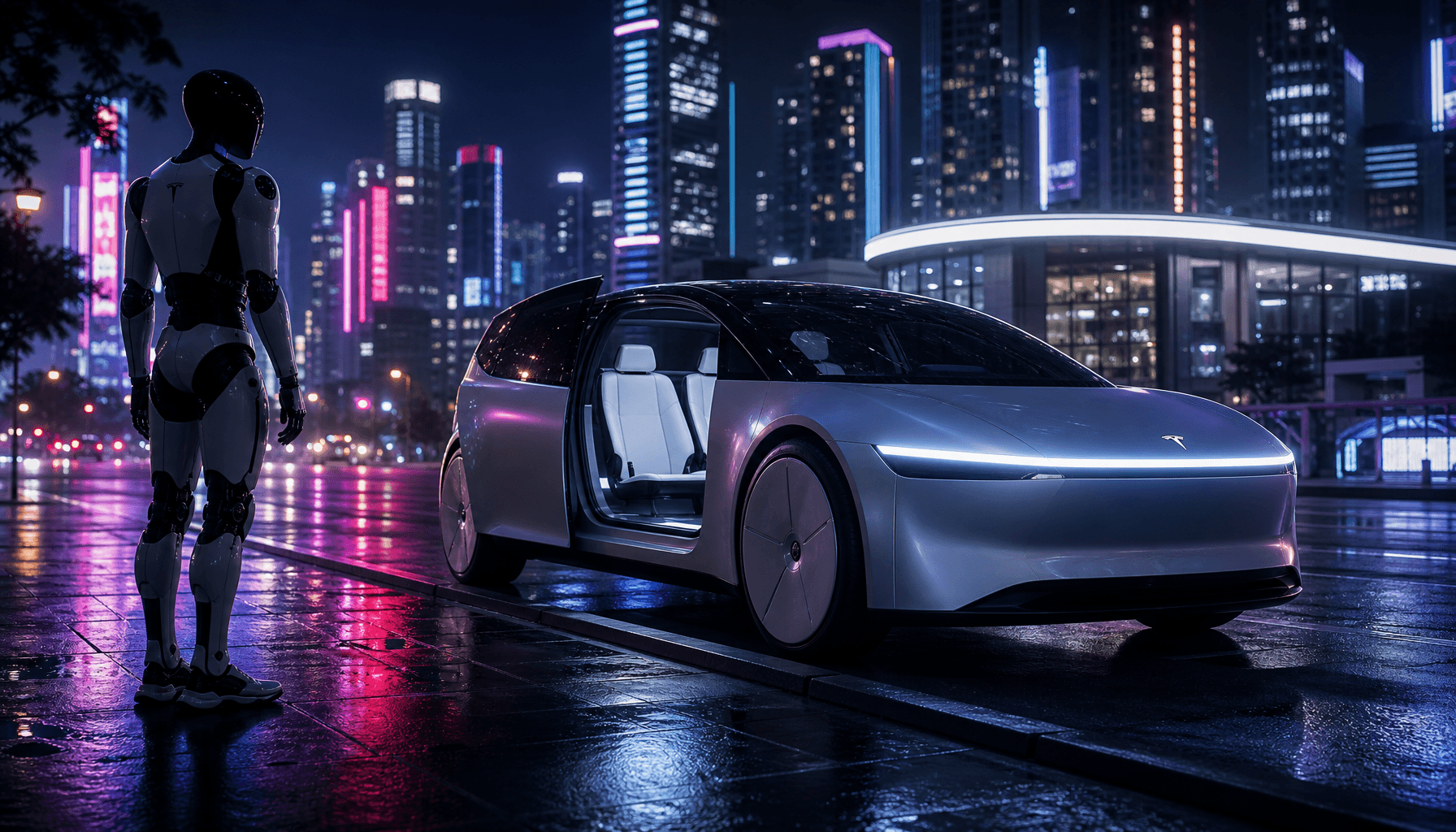
Tesla's second-quarter earnings for 2026 have underscored a fundamental pivot in the company's identity. While revenue figures managed to beat analyst expectations, the underlying metrics tell a story of margin compression and a significant reallocation of capital toward artificial intelligence and robotics. CEO Elon Musk has made it clear that the company is no longer viewing itself purely as an electric vehicle manufacturer, but rather as an AI-driven robotics firm, with plans for the unsupervised Robotaxi rollout and the Optimus humanoid robot taking center stage.
Key Financial Developments and Challenges
According to recent financial reports, Tesla’s Q2 results were a "mixed bag." While the company achieved a revenue beat, its earnings missed targets as operating margins faced downward pressure. Free cash flow turned negative during this period, a direct result of aggressive capital expenditures aimed at scaling AI training infrastructure and advancing autonomous driving capabilities. The market is currently grappling with the reality of this transition: Tesla is effectively trading short-term profitability for a dominant position in the long-term autonomous mobility market.
Robotaxi and Optimus: The Future Pillars
Musk’s emphasis on the Optimus humanoid robot is a bold bet, with the CEO suggesting it could eventually become the most valuable product in Tesla's history. By leveraging its fleet data to train neural networks, Tesla is attempting to solve the "real-world AI" problem. The acceleration of the Robotaxi plans is critical to this vision. If successful, this would transition Tesla from a high-volume hardware manufacturer to a high-margin software-as-a-service provider, radically changing its business model and valuation multiples.
Market Impact and Data Trends
Investor sentiment remains polarized. Google Trends data indicates that interest in "Tesla Robotaxi" and "Optimus" has spiked globally following the earnings call. Interest scores for Tesla-related queries are particularly high in California (82) and Taiwan (55), reflecting the broad international interest in the company’s pivot. Markets are watching closely to see if Tesla can execute on these promises, as the current valuation assumes significant future breakthroughs in autonomous technology.
Future Outlook and Execution Risks
Moving forward, the primary challenge for Tesla is execution. The transition to a robotaxi-led model involves not just technical hurdles, but significant regulatory and safety challenges. Investors should monitor Tesla’s capital expenditure efficiency and the progress of its autonomous driving software updates. The market will be looking for concrete timelines and evidence of safety improvements in the coming quarters. Tesla’s gamble is high-stakes; if it achieves full autonomy, it will define the next decade of transportation, but the path to that goal is paved with significant financial and operational volatility.