A Landmark Public Debut and Explosive Growth
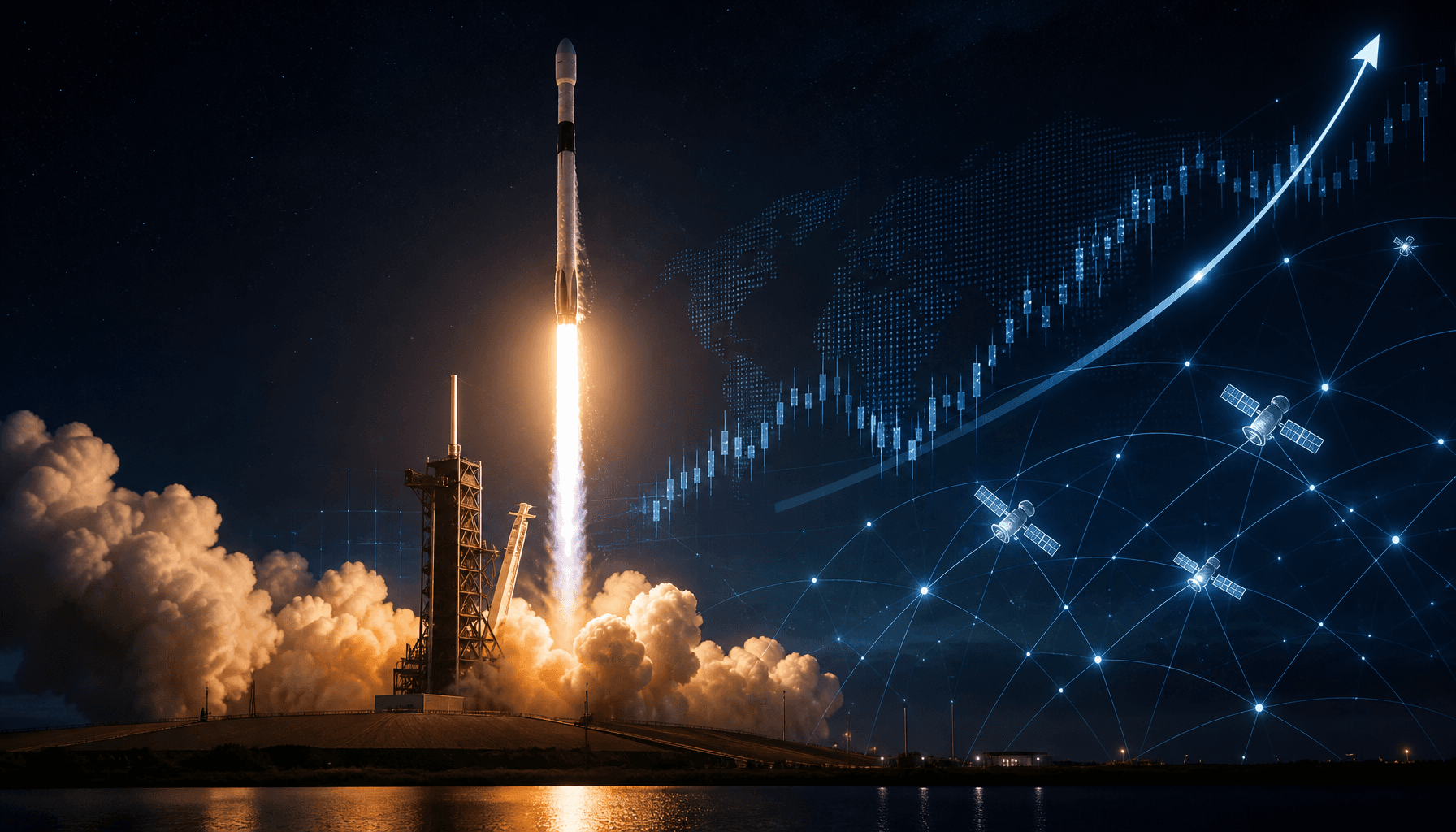
SpaceX, one of the most closely watched companies in the aerospace sector, revealed staggering growth numbers in its first quarterly report as a public company. Revenue for the April–June quarter reached $7.8 billion, a 92% year-on-year increase. This explosive growth was primarily driven by the rapid expansion of its Starlink satellite internet business and the company’s increasing involvement in AI-integrated space logistics. Despite these impressive figures, the company’s stock stumbled 7% in after-hours trading.
Concerns Over Capital Expenditure
The market’s negative reaction to SpaceX’s earnings is rooted in the company’s high and escalating capital expenditure. While revenue growth is substantial, the massive investment required to maintain leadership in launch capabilities and build out the Starlink constellation has weighed on investor sentiment. Furthermore, concerns regarding the upcoming expiration of the IPO lock-up period have created anxiety over potential selling pressure once insiders are allowed to offload shares. This highlights the market’s complex view of growth-oriented aerospace stocks: investors are eager for the long-term dividends of technological dominance but are increasingly jittery about high cash-burn rates.
Expert Analysis and Market Data
Financial analysts point out that SpaceX’s business model is unique but inherently risky. Research suggests that aerospace companies in their growth phase are highly susceptible to fluctuations in research and infrastructure costs. In California’s tech circles, search interest regarding SpaceX has reached 78, while in Taiwan, a vital part of the company's supply chain, discussions around SpaceX-related concepts have intensified, reflecting global attention to the company’s public performance.
Future Outlook and Strategic Adjustments
The crucial test for SpaceX in the coming quarters will be its ability to convert Starlink’s revenue into consistent positive cash flow while simultaneously optimizing launch costs. If the company can demonstrate a clearer path to cost efficiency, market sentiment is likely to stabilize. Investors should pay close attention to the ratio of capital expenditure to revenue in the next reporting cycle and the company’s competitive positioning in government contracts and commercial launch markets.
Conclusion
SpaceX’s public debut is a classic study in the friction between growth and risk. For long-term investors, the company’s technological moat remains significant, but short-term volatility is inevitable. The market is in the process of re-evaluating the valuation model for this space giant—a process that is as much about building a sustainable space economy as it is about the number of satellites launched.