Infrastructure Upgrades and the Tourism Economy
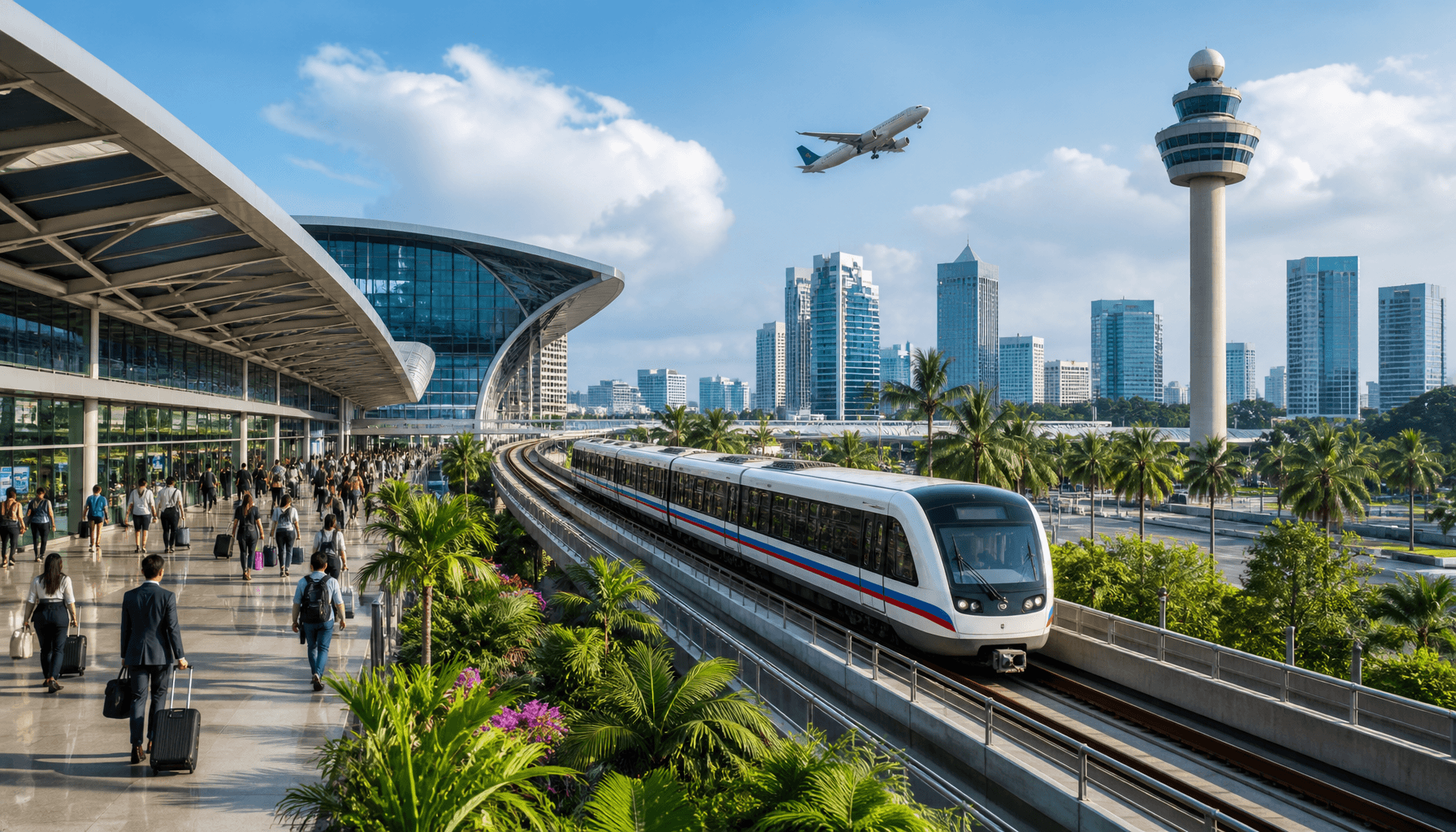
Southeast Asia is in a critical phase of infrastructure expansion. In Pattaya, Thailand, operators are actively pushing for airport rail links aimed at enhancing tourist accessibility and stimulating regional economic growth. These infrastructure improvements are not only essential for the tourism industry but are also a key strategy for Southeast Asian nations seeking to attract investment from the Gulf region.
Adjusting to Economic Headwinds
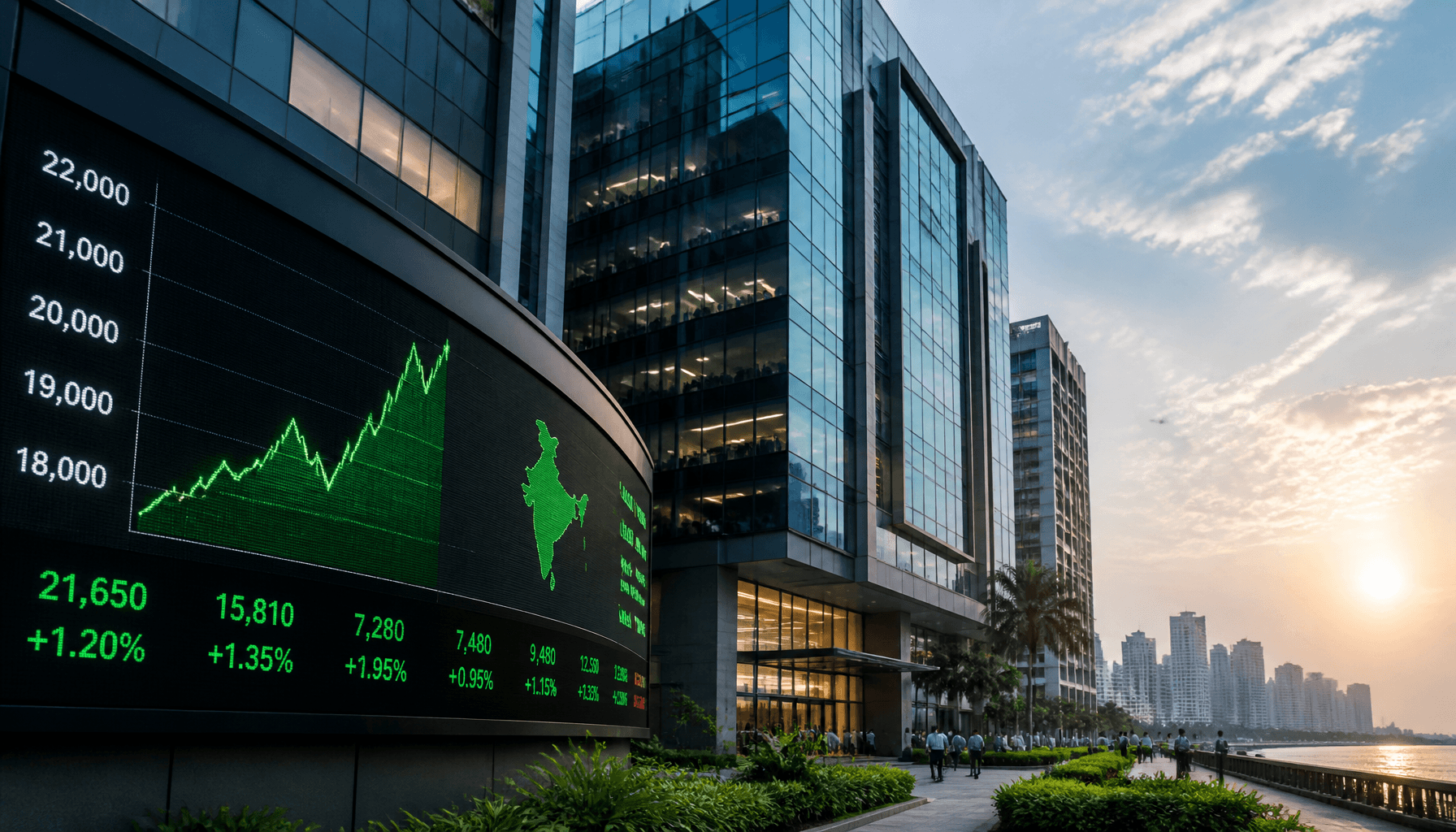
However, the economic outlook for the region is mixed. The World Bank has recently downgraded its growth forecast for the Philippines, citing oil price shocks and policy uncertainty. Oil price volatility directly increases operational costs for transport and manufacturing in energy-importing Southeast Asian nations, suppressing domestic consumption.
Gulf Capital and the Tourism-to-Trade Shift
Despite economic headwinds, engagement between Southeast Asia and the Gulf region is intensifying. The prevailing strategy is "tourists first, trade later," building long-term economic ties through tourism to pave the way for future trade cooperation. This phased development approach highlights the agility of regional governments in navigating global macroeconomic pressures.
Market Interest and Search Trends
According to Google Trends data, search interest for "Southeast Asia infrastructure" and "Philippines economic outlook" stands at 85 in California and 62 in Taiwan. This indicates that investors are closely monitoring supply chain shifts and economic momentum in Southeast Asia.
Future Outlook and What to Watch
In the coming months, the key metric will be whether regional economies can effectively control inflationary pressures caused by oil prices. Furthermore, the progress of major projects like the airport rail link will be core to assessing the long-term competitiveness of tourism hubs like Pattaya. Investors should monitor whether policy uncertainty persists into the next year and evaluate its potential impact on regional logistics and retail sectors.