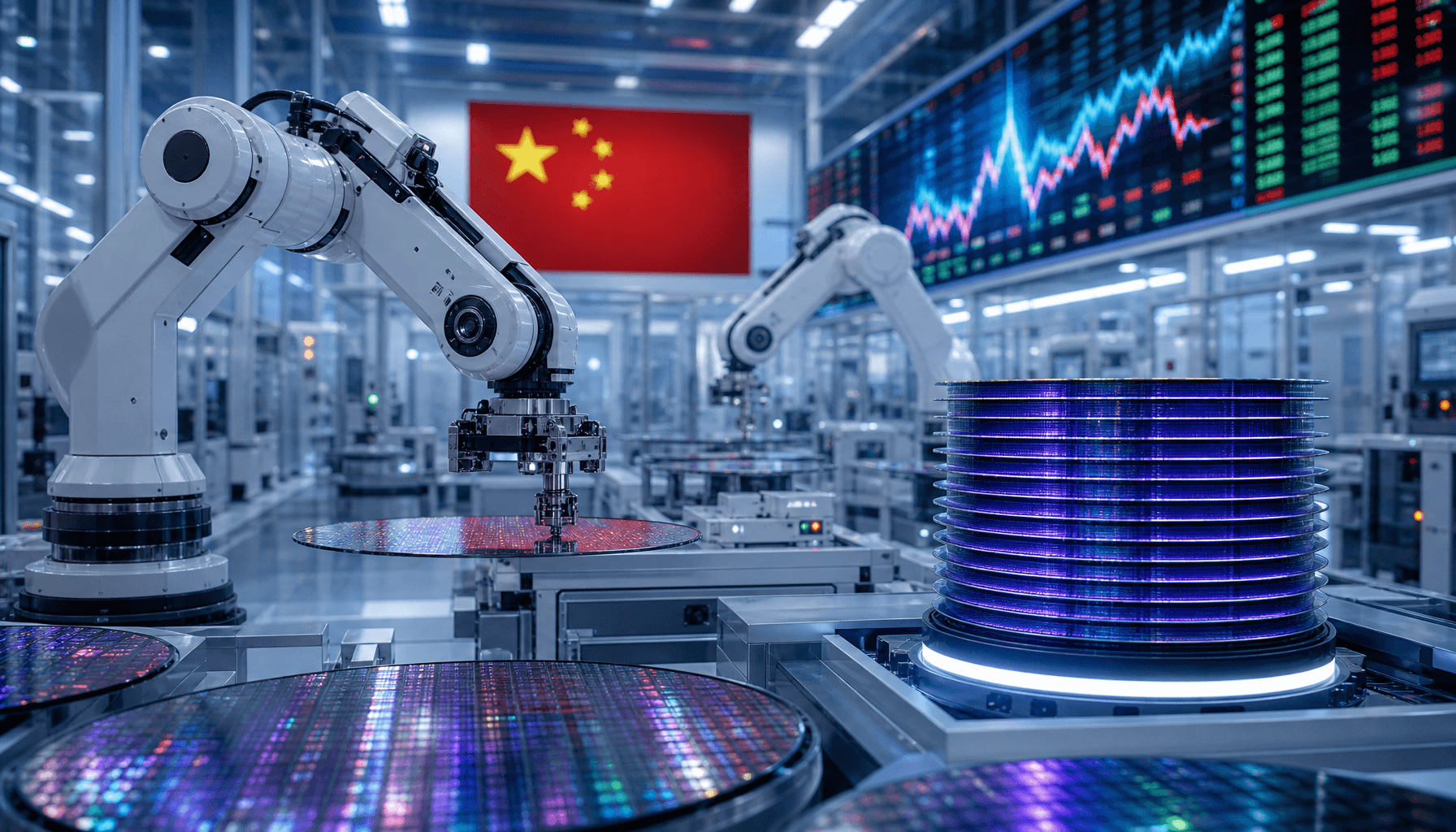
A Dark Tuesday for the Semiconductor Industry
The South Korean stock market has experienced a dramatic selloff, with the Kospi index plunging nearly 8% in just two days—its worst performance since March. Samsung Electronics and SK Hynix, the pillars of the global memory chip market, saw their shares plummet by as much as 14%. This massive rout is not an isolated event but reflects deep-seated market anxiety regarding whether global demand for AI-related hardware has reached a 'bubble' territory.
Technical Warning Signs of Cooling Demand
The trigger for this market panic stems from speculation regarding potential adjustments to infrastructure spending by major tech firms like Meta. Investors are concerned that if the appetite for hardware to train large AI models begins to cool, the current high inventory and elevated pricing levels in the memory chip industry will become unsustainable. According to market model analyses published in ArXiv, cyclical fluctuations in AI training demand often lead to extreme volatility in upstream supply chains, and current data suggests the industry is at a critical inflection point in the inventory cycle.
Data and Market Sentiment
Google Trends data shows that interest in the keywords 'AI demand' and 'chip stock crash' has reached 92 in South Korea, highlighting the profound anxiety among local investors regarding this structural shift. Furthermore, as tech rallies in the U.S. cool down, foreign capital has accelerated its exit from Asian tech markets, adding further downward pressure on the Kospi index. Market observers note that this emotional selling is frequently accompanied by forced liquidations of highly leveraged positions.
Expert Analysis and Structural Impact
Industry experts argue that while short-term volatility in AI training demand is possible, the long-term trend toward Edge AI remains robust. However, current market pricing appears to be overreacting to short-term cooling expectations. Data from financial platforms indicates that Samsung and SK Hynix maintain solid market shares in the High Bandwidth Memory (HBM) sector, which contrasts sharply with the severity of the recent stock price declines.
Future Outlook and What to Watch
Moving forward, the primary focus will be on the upcoming earnings season, specifically regarding guidance on capital expenditure (CAPEX) adjustments. If major tech companies maintain their commitment to AI infrastructure, the current market correction may eventually be viewed as a buying opportunity. Conversely, if firms slash hardware budgets, South Korean chipmakers will face significant profitability challenges. Investors should closely monitor global macroeconomic indicators, particularly CAPEX reports from the U.S. technology sector.