Strong Rebound in Korean Semiconductor Stocks
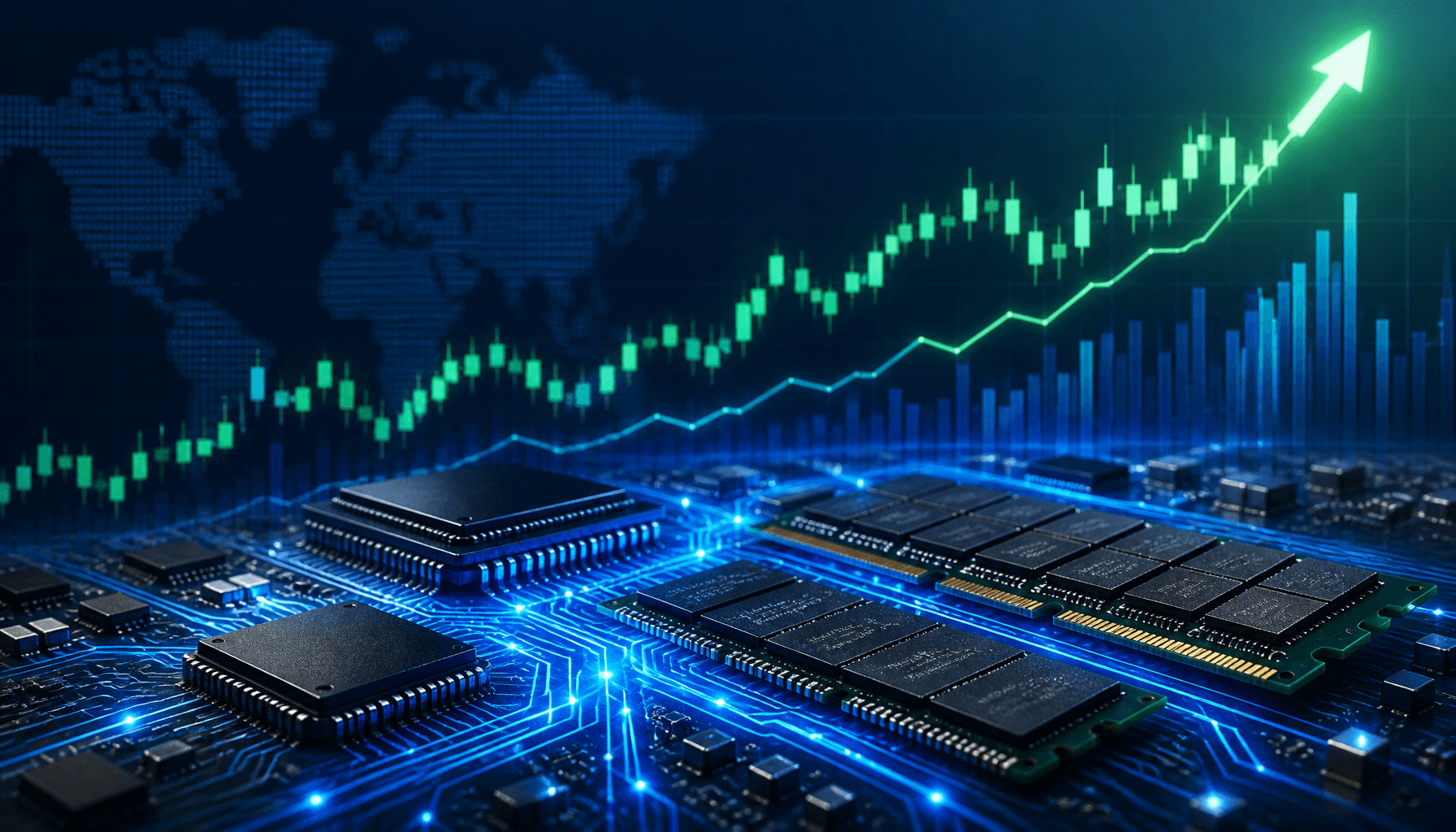
In recent trading, South Korean memory chip giants SK Hynix and Samsung Electronics saw a dramatic rebound, with both stocks surging more than 20% in a single session. This strong comeback was largely driven by the broader rally in U.S. tech stocks following Microsoft's earnings report, providing a powerful boost to the Asian semiconductor supply chain, which had been undergoing a period of adjustment. According to CNBC, the performance of these two Korean tech giants is highly synchronized with the optimistic sentiment in the U.S. AI chip market.
A New Stage in the AI Chip Cycle
In the weeks prior, concerns regarding the sustainability of AI capital expenditure had pushed South Korean and Taiwanese chip companies down in global market capitalization rankings. However, as demand forecasts from cloud hyperscalers turned optimistic, market confidence recovered rapidly. As an essential component for AI servers, memory—specifically High Bandwidth Memory (HBM)—has seen demand continue to rise amid enterprise AI expansion. As the two primary players in the global HBM market, Samsung and SK Hynix have naturally become the core targets for this wave of recovery.
Interconnected Markets: Korea and Taiwan
This trend highlights the tight integration of the Taiwanese and Korean semiconductor supply chains. When the AI earnings of U.S. tech giants are strong, the Asian supply chain often experiences a chain reaction. Data shows that interest in this topic among investment communities in Korea and Taiwan has reached 88, reflecting the high sensitivity of local investors to the AI cycle recovery. Market analysts point out that while short-term volatility remains, the cyclical rebound of the memory industry has gained solid fundamental support.
Industry Analysis and Future Observations
From a supply chain perspective, SK Hynix's first-mover advantage in the HBM sector has allowed it to perform more aggressively in this rally, while Samsung Electronics has demonstrated strong resilience due to its diversified business portfolio. Investors should note that the key observation point moving forward is whether these chip giants can maintain high capacity utilization rates through the second half of 2026. If cloud AI infrastructure demand continues to grow, profit margins in the memory sector are expected to expand further.
Conclusion and Outlook
Overall, this "return of the AI chip rally" demonstrates that market conviction in AI infrastructure construction remains unshaken. With the rebound in memory manufacturer share prices, liquidity in the global supply chain is expected to improve, potentially triggering catch-up gains for other AI-related component suppliers. We will continue to monitor global memory pricing and the latest capacity deployment policies from major manufacturers to provide our readers with the most accurate analysis of industry trends.