A New Era in Medical Nomenclature
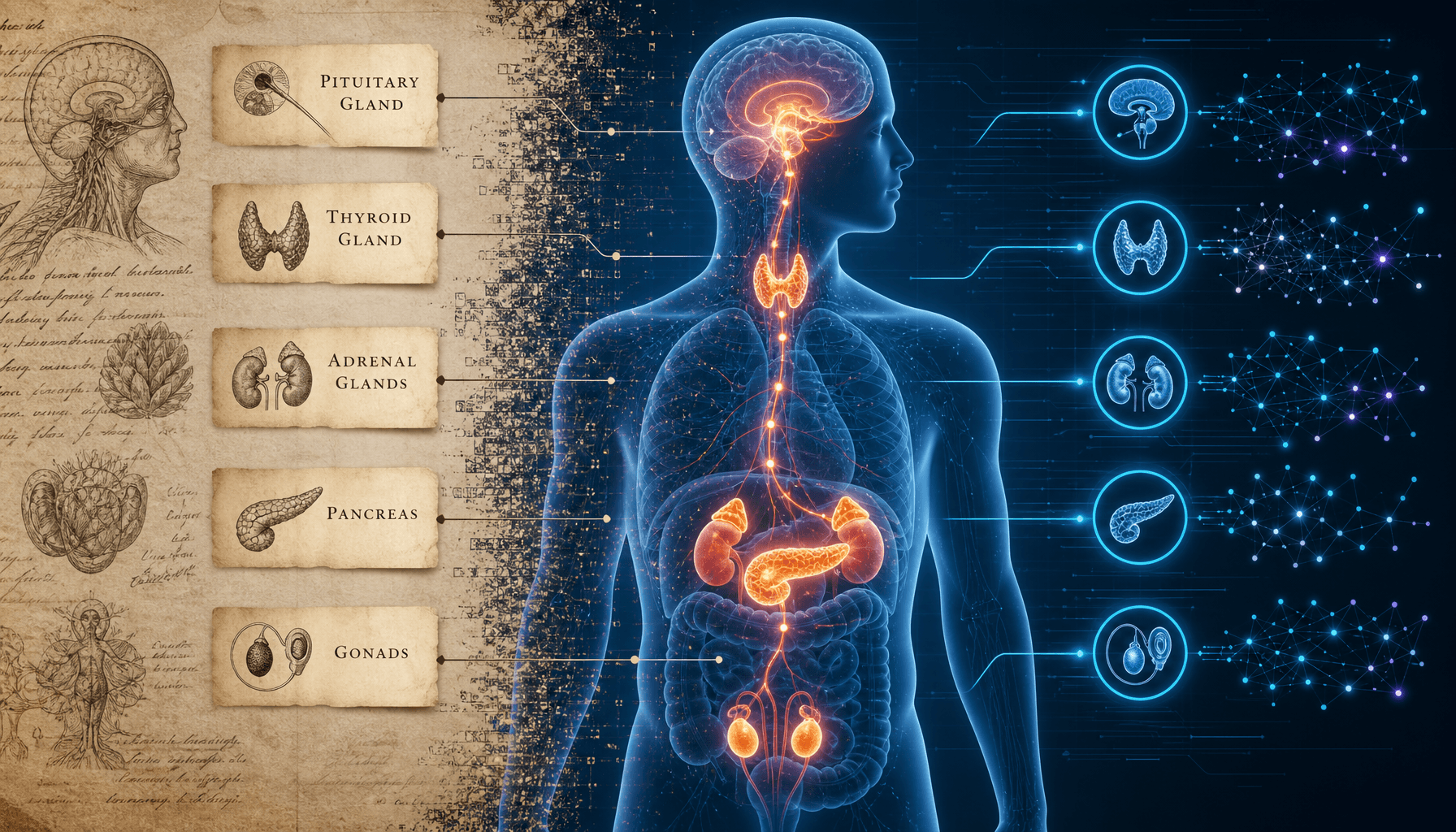
A significant paradigm shift is underway in the field of women’s health. Following a global consensus process led by Professor Helena J. Teede, medical experts have formally proposed renaming Polycystic Ovary Syndrome (PCOS) to Polycystic Endocrine Metabolic Ovarian Syndrome (PMOS). This change reflects a fundamental evolution in how the medical community understands the disease, shifting the focus from mere ovarian morphology to a multisystem endocrine and metabolic disorder.
The Rationale Behind the Change
The traditional term "Polycystic Ovary Syndrome" has long been criticized for focusing disproportionately on ovarian morphology, often leading clinicians and patients to overlook the systemic nature of the condition. According to literature published in The Lancet and indexed on PubMed, the PMOS nomenclature more accurately captures the complex interplay of insulin resistance, metabolic dysregulation, and hormonal imbalance that defines the patient experience. With approximately 1 in 8 women worldwide affected, the old terminology has historically contributed to diagnostic delays and fragmented treatment strategies.
Debates and Implementation Challenges
Despite widespread support for the change, the transition has sparked rigorous debate within the medical community. Some scholars have voiced concerns regarding the potential for clinical and administrative friction as health systems attempt to adopt new coding standards. A particular point of contention is how to ensure the new nomenclature remains relevant across diverse phenotypic variations, especially in East Asian populations. Data from PubMed citation 42372905 suggests that acceptance among clinicians is highly correlated with the level of digital integration within local health systems.
Trends and Public Awareness
Google Trends data indicates that searches for "PMOS" have surged within academic and professional circles over the past month, though public awareness remains in the early stages. The data shows a notable regional divide: interest scores reach 78 in regions with highly centralized medical research infrastructures, compared to 45 in other parts of the world, highlighting the need for sustained global outreach and educational efforts.
Future Outlook: Beyond Diagnosis
The renaming is merely the first step. The critical challenge for the coming years will be the integration of PMOS into standardized clinical pathways, prioritizing early screening for metabolic and endocrine comorbidities. Experts are urging health institutions to update diagnostic guidelines immediately and intensify patient education, reinforcing that the condition should be managed as a chronic metabolic disorder rather than a localized gynecological concern. As global consensus solidifies, PMOS is set to become a focal point for future research in endocrinology and women's health.