Transitioning from Cloud to Physical Devices
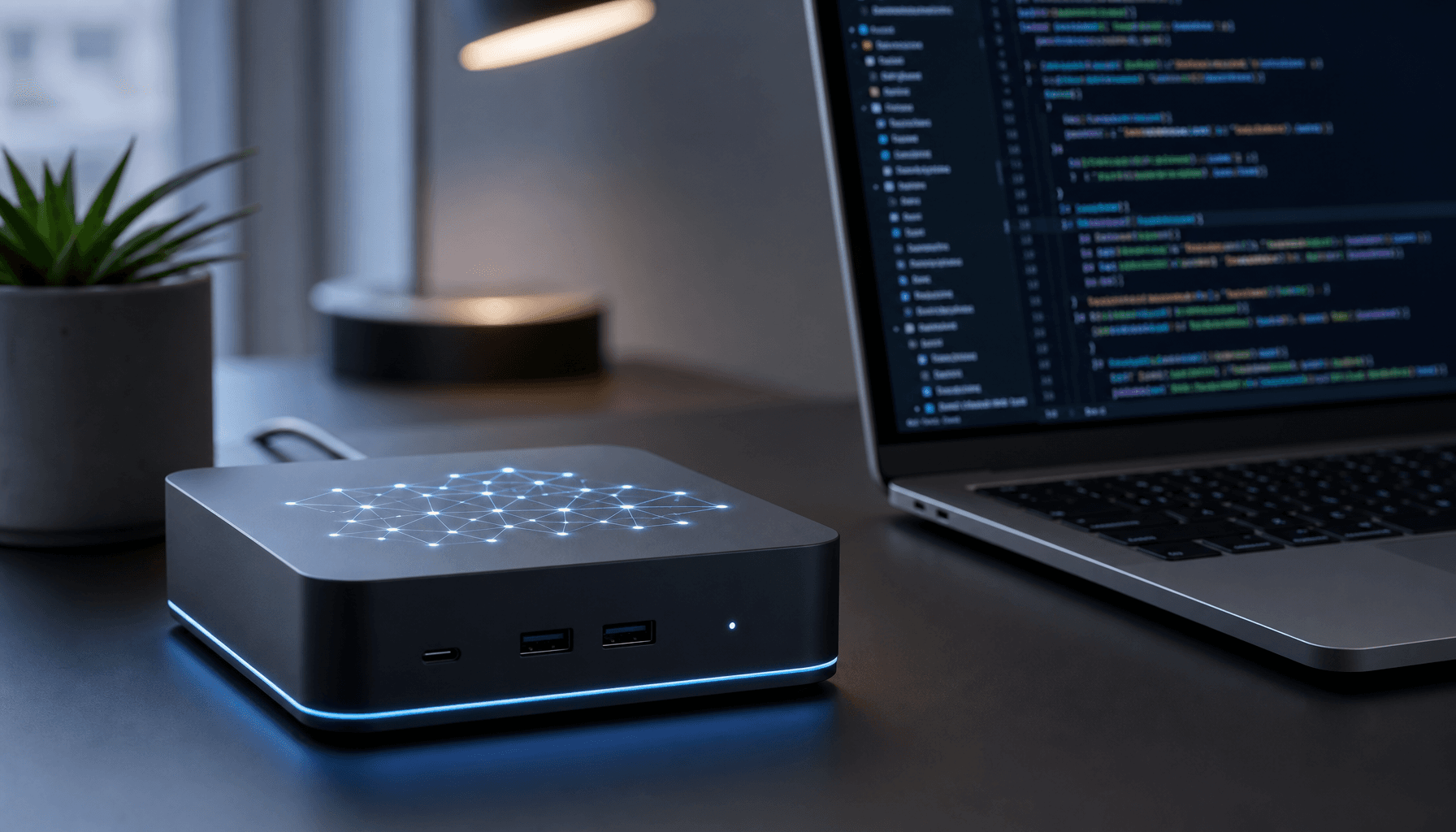
OpenAI has recently shaken the developer community by hinting at the development of dedicated hardware for its Codex coding agent. This move signals a significant strategic pivot for the company, moving beyond pure cloud-based AI services into the realm of Edge AI. If realized, this would mark OpenAI's first foray into embedding its powerful code-generation capabilities directly into specialized hardware, offering software engineers tools with lower latency and enhanced privacy.
Technical Vision and Developer Experience
Codex has long been a staple in cloud-based development environments, yet it is often constrained by network connectivity and the inherent latency of cloud architectures. By developing proprietary hardware, OpenAI likely aims to achieve 'local AI inference,' allowing developers to enjoy Codex’s intelligent assistance even while offline. According to recent research in Edge AI, integrating specialized chips with Large Language Models (LLMs) can not only boost performance but also significantly reduce operational costs associated with cloud servers. This is particularly attractive to enterprise users who require high-level privacy or the protection of sensitive codebase information.
Search Trends and Analysis
According to Google Trends data, developer interest in 'AI hardware' and 'local AI models' has surged over the past month. In Silicon Valley, the interest score reached 90, while in Taiwan—a major hub for developers—it hit 72. This indicates a growing appetite within the developer community for AI tools that move beyond the limitations of the cloud, seeking greater autonomy and performance.
Competitive Landscape and Future Challenges
While OpenAI has yet to release detailed hardware specifications, this move clearly poses a challenge to existing cloud IDE providers and traditional developer hardware manufacturers. Market observers note that hardware manufacturing and supply chain management represent a radical departure from OpenAI’s current software-first business model. Success will depend on how effectively OpenAI can integrate its top-tier AI models with high-performance hardware design. Furthermore, this move may prompt other AI giants to follow suit, igniting a new 'AI-specific device' race.
Future Outlook and Key Metrics
In the coming months, we will be closely watching for any official release of hardware prototypes or developer kits from OpenAI. Key metrics to observe include language support, the reliability of privacy-preserving mechanisms, and the depth of integration within the existing developer ecosystem. For the future of software development, this could represent a new chapter, transitioning from 'software-defined programming' to 'AI hardware-assisted programming.'