The Backdrop: From Colonialism to Autonomy
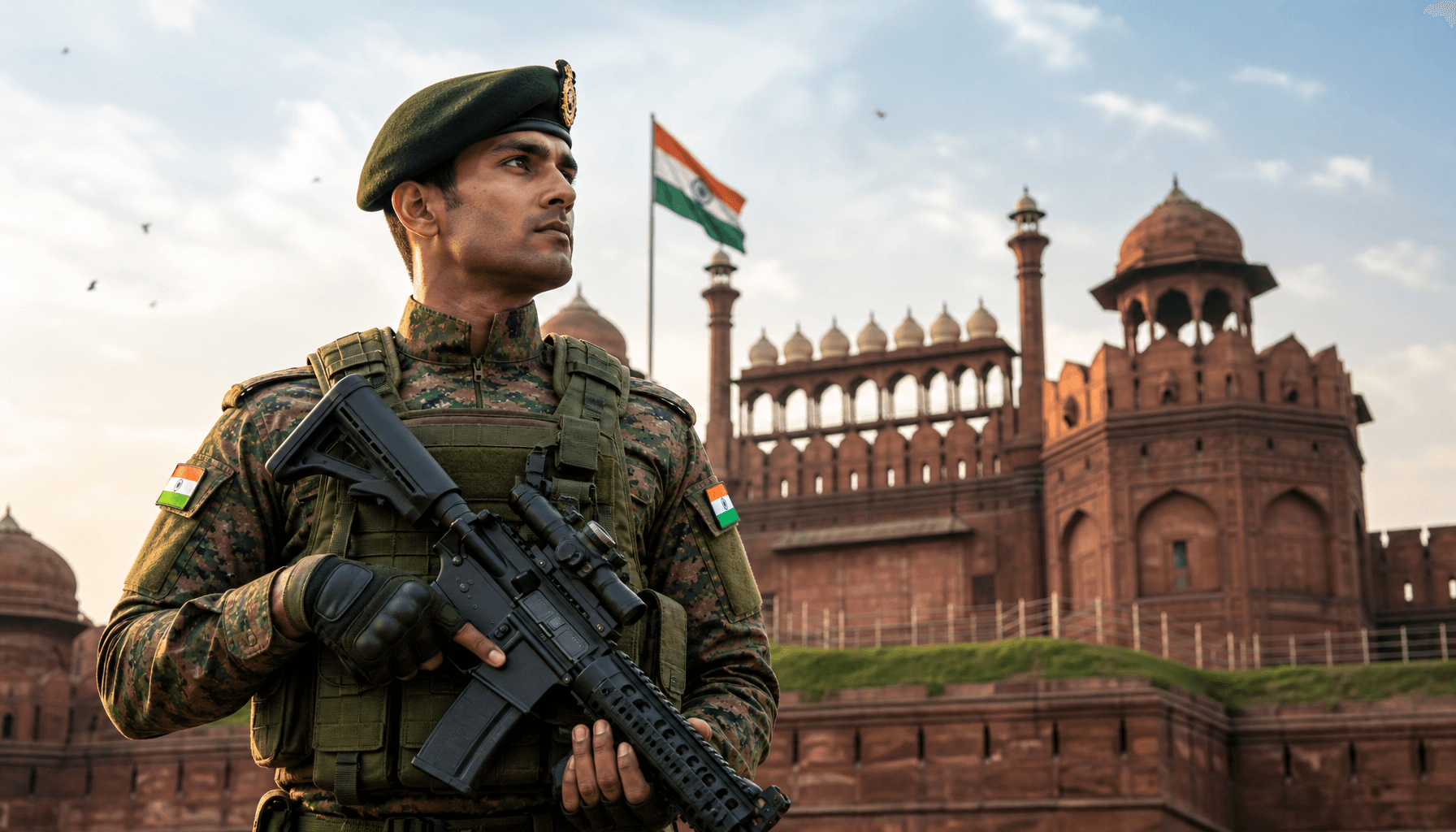
The Indian Army has recently issued the 'Army Uniforms-2026 Pamphlet,' marking a significant milestone in the military culture reform of the world's largest volunteer army. The core of this reform is 'decolonization,' with the military explicitly announcing the phasing out of dress customs and terminology inherited from the British colonial era. This is not merely a change in attire but is viewed as a strategic step for India to enhance defense autonomy and establish a modern national military identity.
New Uniform Regulations and Technical Details
According to the newly issued pamphlet, the Indian Army has introduced equipment with more indigenous cultural characteristics, such as 'Bandis' (waistcoats) and battle jackets. These designs aim to combine traditional Indian aesthetics with modern military operational requirements. More importantly, the pamphlet standardizes dress regulations across all ranks and units, aiming to eliminate the confusion caused by disparate unit-specific customs. This move demonstrates the importance the Indian military places on unified command and organizational discipline during its modernization process.
Expert Analysis and Strategic Significance
Military experts point out that this reform holds profound social and political significance. By removing symbols reminiscent of the colonial past, the Indian Army aims to strengthen the sense of national pride among its troops and connect the military with contemporary Indian culture. This shift has also attracted attention in international military research, as it reflects how emerging powers reshape organizational culture while maintaining professional military functions. Studies suggest that the localization of military symbols helps improve the psychological cohesion and morale of personnel.
Social Awareness and Market Impact
Although this is an internal organizational adjustment, it has triggered widespread discussion across India. According to Google Trends data, searches for 'Indian Army reform' climbed to 88 in the India region on the day of the announcement, indicating strong public support for military modernization and decolonization. This has also driven procurement and design demand for new uniforms within the military apparel industry, which is expected to have a long-term impact on the relevant supply chain.
Legal and Future Outlook
This uniform reform does not involve complex legal disputes, but as part of an institutional reform, it demonstrates the determination of the Indian military to continue evolving. Looking ahead, the focus will be on whether the military will further expand modernization and localization efforts to its command structure and training systems. In the context of increasingly fierce global military competition, a modern, well-equipped army with a strong sense of national identity will become a vital asset for India in safeguarding its strategic interests in regional security.