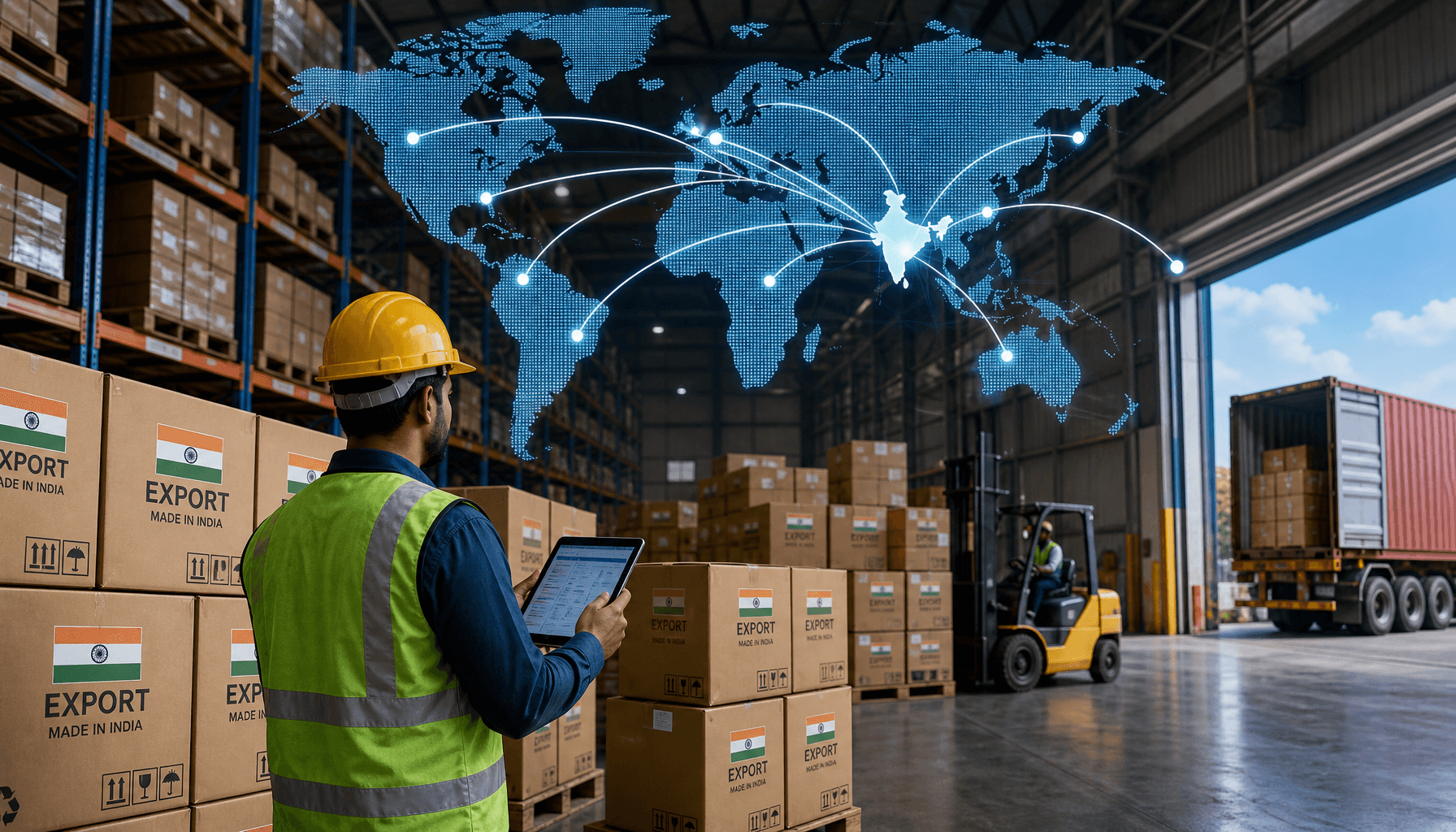
A Major Shift in India’s E-Commerce Export Policy
India’s government has announced a significant policy shift, formally permitting Foreign Direct Investment (FDI) in inventory-based e-commerce operations that are exclusively focused on exports. Under the new guidelines, e-commerce companies that register as "Exporter-on-Record" are now allowed to hold inventory within India for the sole purpose of international sales. This change represents a major departure from long-standing restrictions that prohibited foreign-invested e-commerce platforms from holding inventory for domestic trade, aimed at integrating Indian manufacturers and Micro, Small, and Medium Enterprises (MSMEs) into global supply chains.
Policy Objectives and Regulatory Framework
The government’s initiative is designed to address the challenges faced by Indian exporters regarding cross-border logistics and inventory management. Previously, stringent FDI regulations prevented e-commerce platforms from directly managing inventory, which hampered the scaling of exports. The new policy mandates that inventory must be strictly segregated from domestic sales operations and subjects companies to rigorous regulatory oversight to ensure the export-oriented nature of the model. This is expected to increase the global visibility of Indian products while optimizing logistics and reducing delivery times.
Expert Analysis and Market Impact
Economists view this move as a critical step in promoting the "Make in India" initiative globally. For MSMEs, the ability to access global buyers directly through e-commerce platforms significantly reduces the costs associated with traditional trade intermediaries. Google Trends data indicates that search interest for "cross-border export policy" among Indian exporters has reached 75. However, legal experts caution that companies must strictly adhere to the Foreign Exchange Management Act (FEMA) and existing FDI guidelines to avoid crossing the line into prohibited domestic retail activities.
Legal and Compliance Challenges
While the new policy presents opportunities, it also introduces complex compliance obligations. Companies are required to maintain separate financial accounts to prove that all inventory is dedicated to exports. Furthermore, the government retains significant discretionary authority regarding the definition and responsibilities of an "Exporter-on-Record." Companies that are found to be diverting export-designated inventory to the domestic market risk losing their FDI eligibility. This requires companies to maintain a high standard of legal compliance when establishing cross-border logistics hubs.
Future Outlook
In the coming months, the industry will be watching to see which major e-commerce platforms will be the first to register and operationalize this model. If implemented successfully, this could serve as a new growth engine for the Indian e-commerce market and potentially encourage the government to further relax FDI restrictions in other sectors. Key areas to monitor include the growth trends in export data and whether this model genuinely empowers MSMEs in remote regions.