The New AI Threat to Academic Integrity
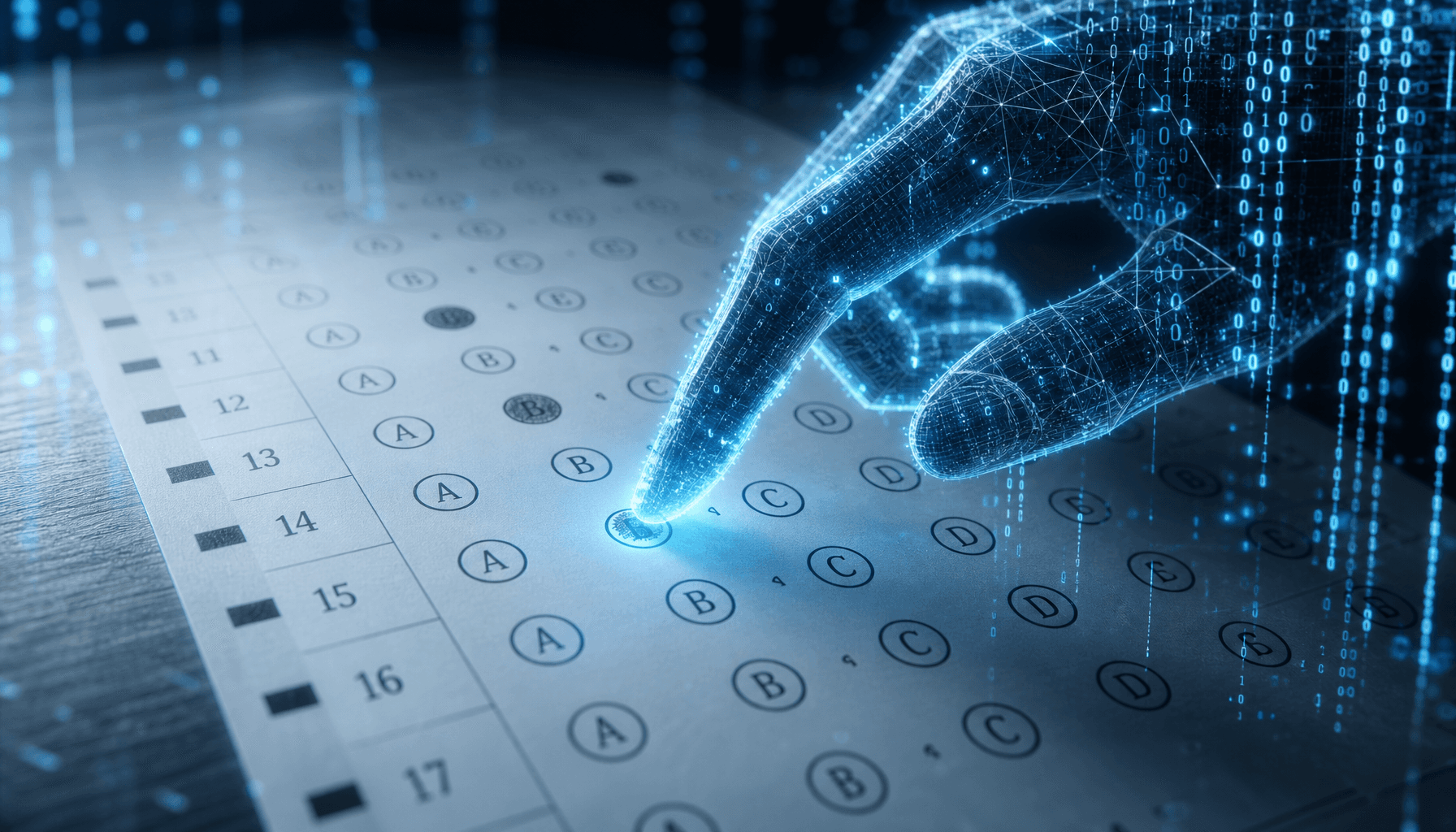
India's National Testing Agency (NTA) has uncovered a significant fraud scandal during its review of the NEET medical entrance examination, revealing that some OMR (Optical Mark Recognition) sheets were "completely AI-generated." The discovery has sent shockwaves through the Indian educational system, as the NEET exam serves as the primary gateway for approximately 2 million students annually to enter medical schools, making its integrity paramount.
Investigation Details and Fraudulent Tactics
According to NTA reports, the disputed OMR sheets were not only AI-generated but also displayed clear signs of tampering. Investigators noted that these forged documents were visually indistinguishable from authentic ones to the naked eye, necessitating advanced forensic digital analysis to identify the manipulation. In response, the NTA has announced it will pursue legal action against all perpetrators who submitted fake or manipulated documents, signaling a zero-tolerance approach to exam fraud.
Legal Responsibilities and Regulatory Frameworks
Under Indian law, exam fraud is subject to severe criminal prosecution. Specifically, sections of the Bharatiya Nyaya Sanhita (BNS) concerning forgery, cheating, and criminal conspiracy apply to these cases. Furthermore, under the Public Examinations (Prevention of Unfair Means) Act, 2024, regulatory bodies like the NTA have administrative authority to disqualify candidates, impose heavy fines, and bar individuals from future examinations. This case is expected to serve as a landmark precedent for the legal handling of AI-assisted academic fraud.
The Ripple Effect in Education
The scandal has triggered a profound crisis of confidence within India's educational landscape. For the nearly 2 million candidates, the incident raises deep concerns regarding the fairness of the digital evaluation system. Educational experts suggest that as the barrier to entry for generative AI tools decreases, testing agencies must urgently upgrade their anti-forgery mechanisms, potentially incorporating more robust biometric verification or blockchain-based document tracing.
Looking Ahead
Facing this unprecedented challenge, the NTA and other testing bodies are under immense pressure to modernize their security protocols. This fraud case serves as a global warning that while AI offers opportunities for efficiency, it can also be exploited to undermine the foundations of social trust. The primary focus moving forward will be on how the Indian government utilizes both legislative and technical interventions to curb this emerging form of fraud and restore public faith in high-stakes entrance examinations.