The Pulse of India's Economic Expansion
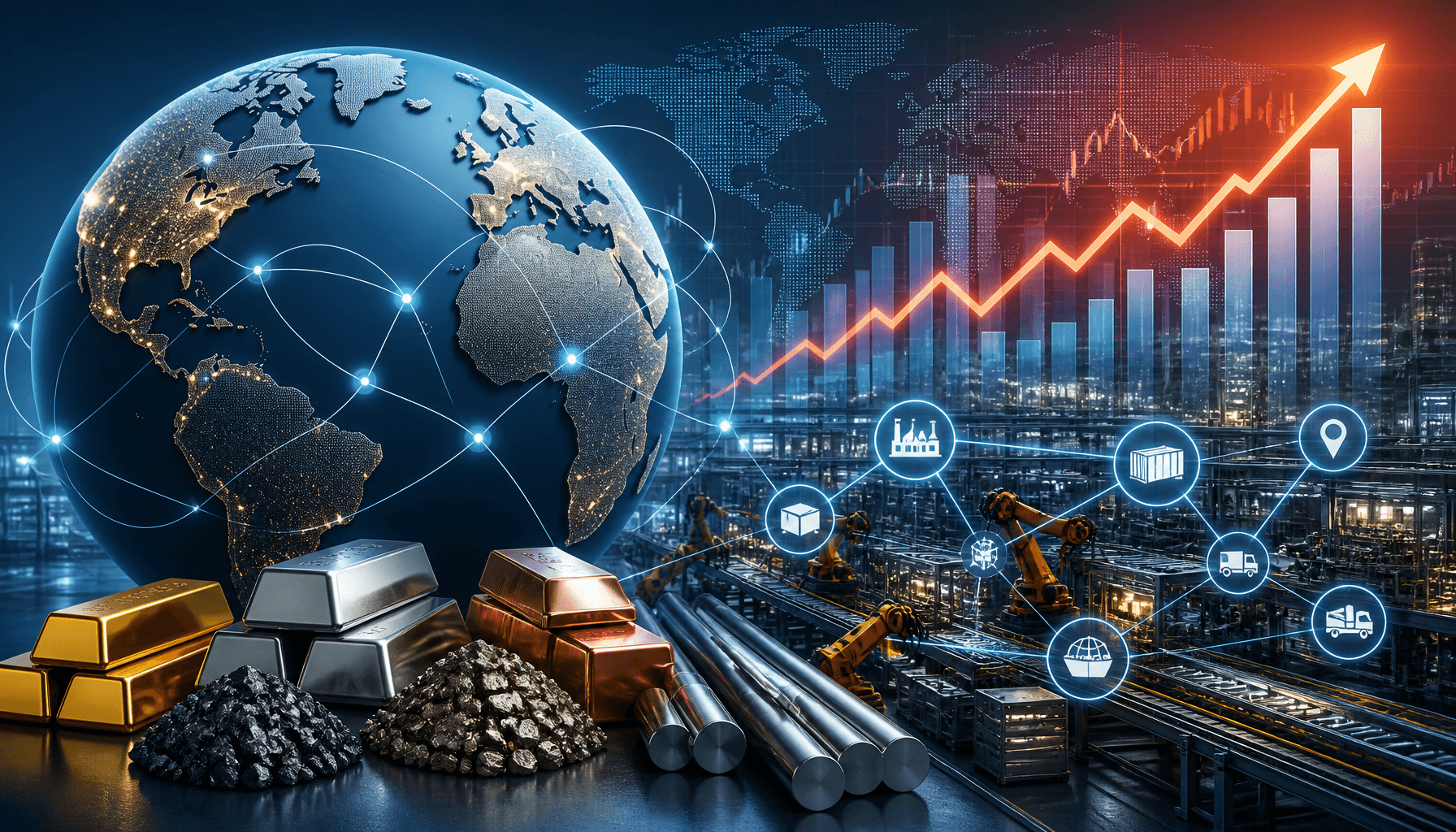
India's economy is currently exhibiting robust expansionary momentum. According to the latest official data, gross GST collections for July 2026 reached a record high of ₹2.11 lakh crore, marking a 15.4% year-on-year growth. This figure not only reflects a thriving domestic consumer market but also highlights the government's success in broadening the tax base and improving administrative efficiency. As one of the fastest-growing major economies globally, these tax revenue figures serve as a critical health indicator for the Indian economy.
The Modi Development Blitz
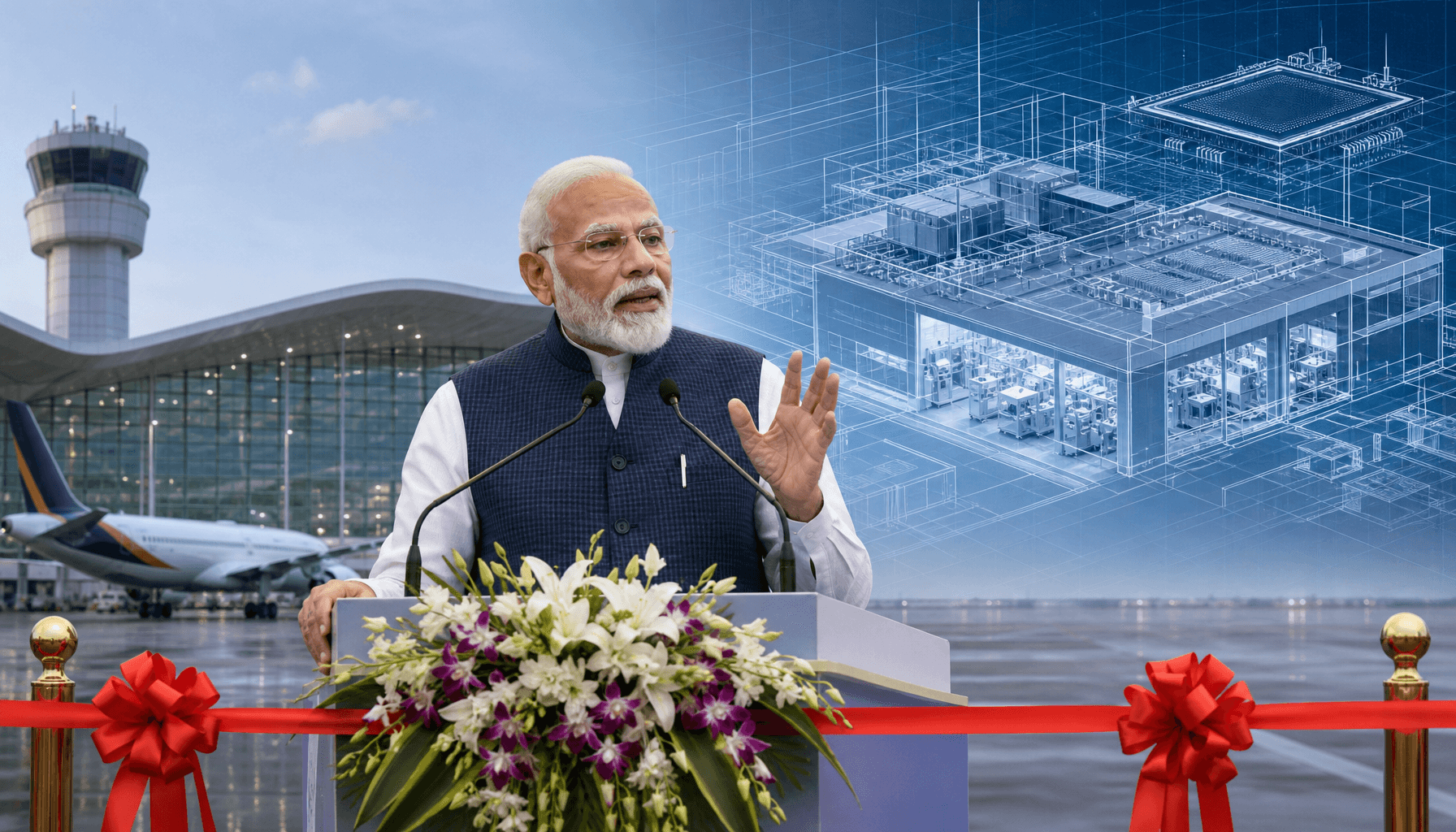
Concurrent with the positive tax data, Prime Minister Narendra Modi inaugurated a development blitz worth nearly ₹18,000 crore in the state of Andhra Pradesh. The projects include the newly established Alluri Sitarama Raju International Airport and the laying of foundations for a future semiconductor facility. These initiatives underscore the Indian government's aggressive pursuit of the 'Make in India' policy, aiming to position the nation as a pivotal node in global manufacturing.
Industrial Strategy and Semiconductor Ambitions
Of particular note is the Modi administration's focus on the semiconductor industry. Through infrastructure investments in Andhra Pradesh, India is actively courting international tech firms to establish local operations, thereby reducing reliance on singular supply chains. This strategic objective aligns with global supply chain diversification trends and injects momentum into India's long-term economic transformation. Industry analysis suggests that successful commissioning of these semiconductor facilities could fundamentally reshape India's export landscape.
Social Impact and Market Outlook
These infrastructure projects are expected to generate tens of thousands of jobs and enhance logistics and transportation efficiency in regional areas. Market analysts believe that strong GST collections provide a solid fiscal buffer for such large-scale public expenditure. Investor confidence in the Indian market has concurrently strengthened, with expectations for steady inflows of foreign direct investment (FDI), particularly in the technology and manufacturing sectors, over the coming quarters.
Conclusion and Challenges
Despite the optimistic outlook, India faces challenges related to infrastructure construction efficiency and technical talent development. The success of the Modi administration's 'development blitz' depends on inter-departmental execution and coordination with state governments. As global supply chains continue to evolve, India stands at a critical juncture; its ability to successfully upgrade into a global manufacturing hub will be a defining feature of the Asian economic landscape over the next decade.