The Blurred Lines of Regulatory Oversight
Hong Kong is currently embroiled in a regulatory debate over the legality of "prediction markets." As international brokerages begin to operate such platforms within the city, tensions between market participants and regulatory bodies have intensified. The Securities and Futures Commission (SFC) of Hong Kong recently indicated that certain activities within these markets might be classified as "financial products," a stance that directly challenges the operating models of existing platforms.
Legal Ambiguity and Disputes
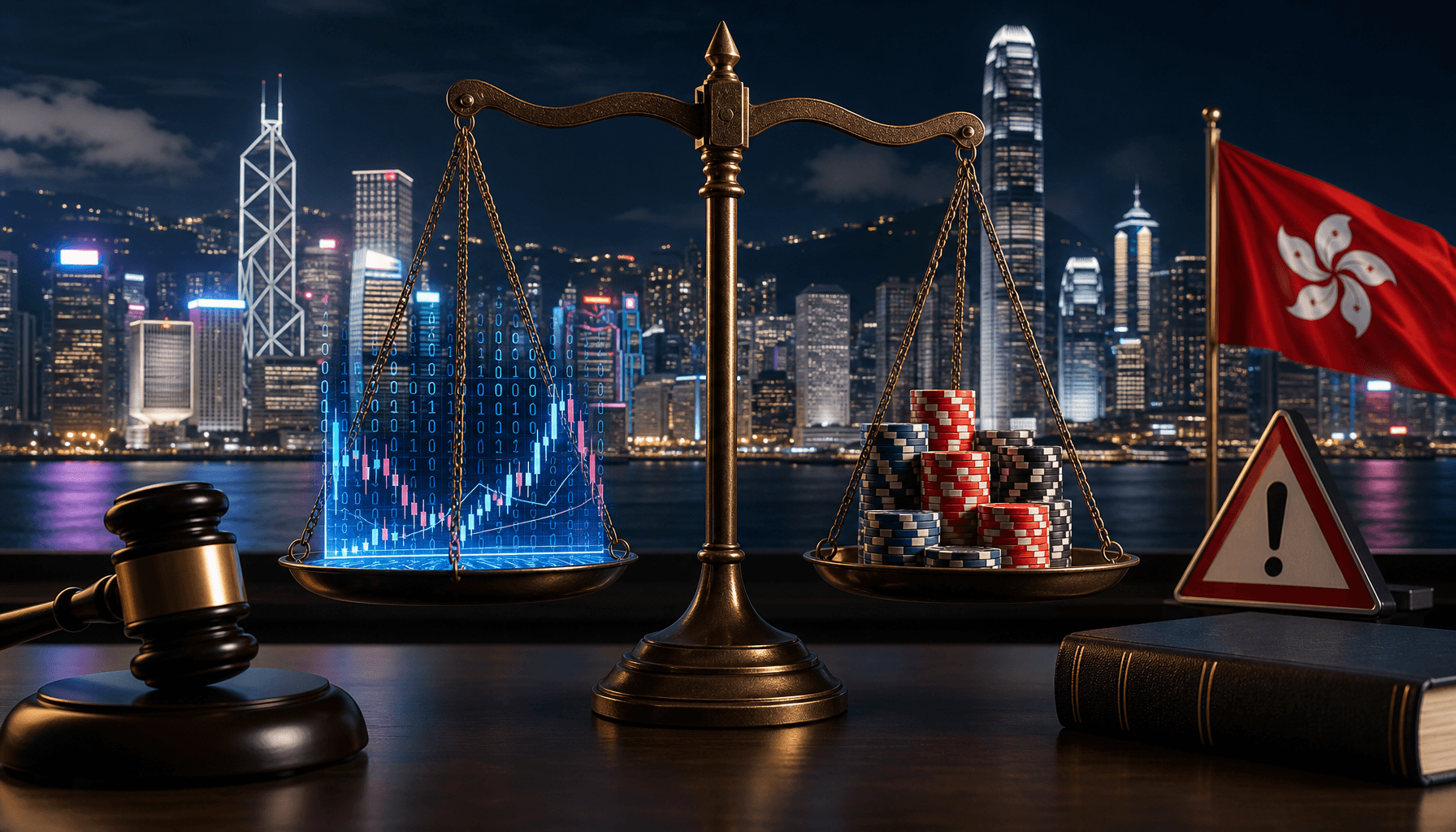
At the heart of the dispute is the difficulty in distinguishing "financial derivatives" from "illegal gambling." Legal experts are deeply divided. Supporters argue that these platforms provide a market-based forecasting mechanism that aids in price discovery. Conversely, regulators and critics fear that these platforms are essentially high-risk binary gambles that easily mislead retail investors. Under the current framework of the Gambling Ordinance and the Securities and Futures Ordinance (SFO), this gray area has become a major pain point for regulators.
Market Risk and Investor Protection
Because prediction markets typically involve binary outcomes, they carry significant risks for retail investors who may lack the necessary expertise. Regulators are concerned that without proper licensing and disclosure requirements, these platforms could become hotbeds for illicit speculation. The SFC’s stance is firm: any financial instrument with speculative characteristics must be subject to rigorous compliance and regulatory oversight.
Industry Impact and Future Outlook
This development has significant implications for Hong Kong’s fintech sector. Platforms categorized as illegal gambling face the risk of total shutdown, while those classified as financial products must secure appropriate licenses and bear significant compliance costs. Over the coming months, we will be watching for whether the SFC issues formal regulatory guidelines and how the industry adjusts its operating strategies. This regulatory cleanup will redefine the boundaries of innovation in Hong Kong as an international financial center.
Conclusion
The regulatory crackdown on prediction markets in Hong Kong is a vital test for international financial regulators dealing with emerging Web3 and fintech models. Striking a balance between investor protection and financial innovation remains the greatest challenge. For the platforms involved, achieving full regulatory compliance will be the only viable path to survival.