A New Milestone in Account Security
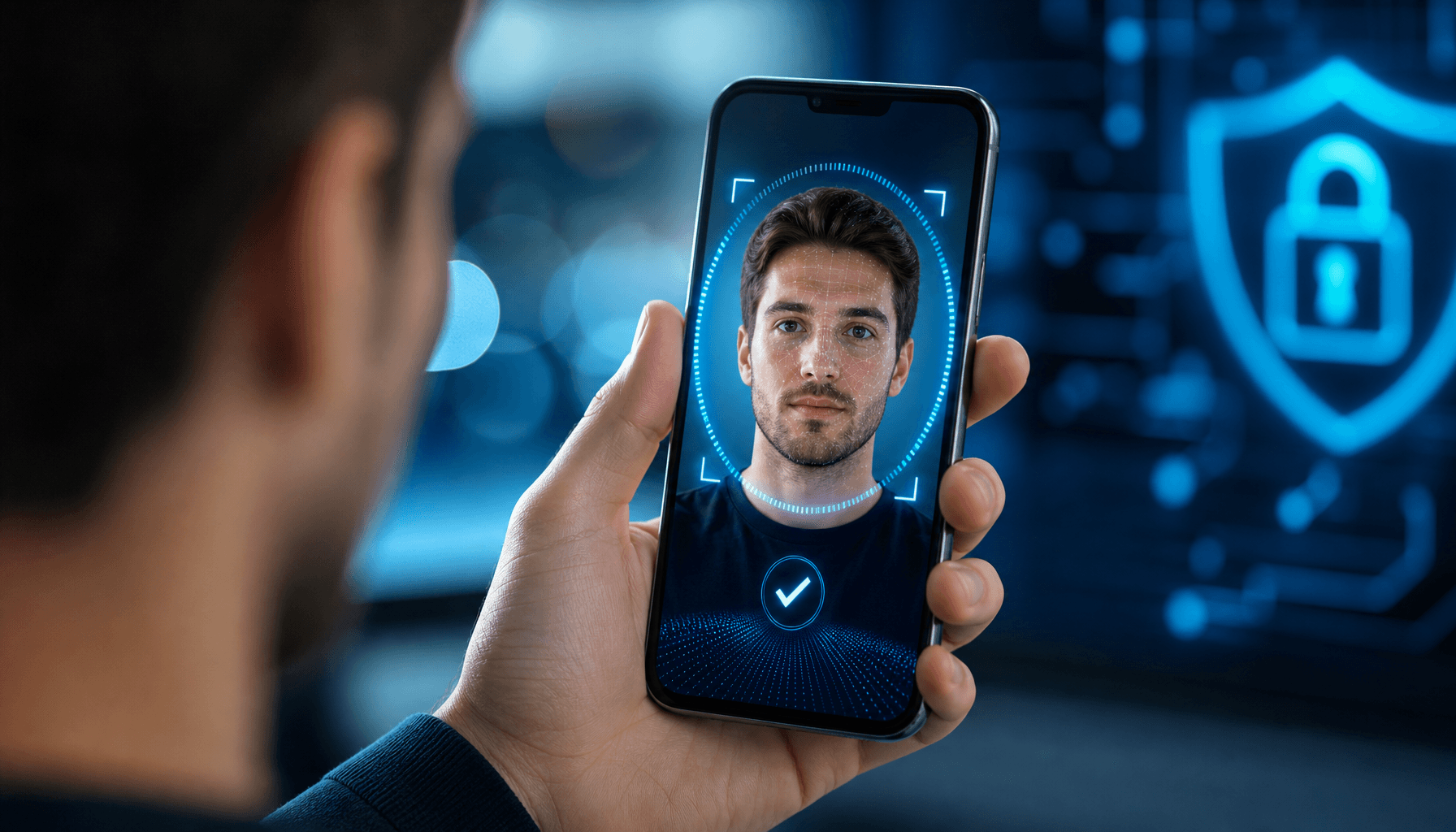
Google has recently launched a new account recovery and verification mechanism: selfie video verification. According to The Verge, this feature aims to confirm user identity through biometric technology, thereby enhancing account security and reducing the risk of unauthorized access. Users are required to record a short selfie video, which the system then compares against an encrypted reference recording using "liveness detection" technology to ensure the account holder is indeed the person in question.
This introduction marks a significant shift in Google’s authentication strategy, moving from traditional passwords and two-factor authentication (2FA) toward biometric authentication. In an era of rampant cybercrime, this is seen as a critical line of defense for protecting digital identities.
Technical Details and Privacy Challenges
The core of selfie verification lies in liveness detection, which can effectively prevent spoofing attempts using photographs or pre-recorded videos. However, this technology also raises significant privacy concerns. According to The Hindu Business Line, the storage and processing of biometric data have attracted the attention of privacy advocates.
Legally, such features are subject to various regulations, including the Illinois Biometric Information Privacy Act (BIPA) in the U.S. and the EU AI Act. These regulations require companies to obtain explicit user consent and adhere to strict data retention policies. Google has stated that relevant biometric data will be cryptographically protected and has pledged not to use it for advertising purposes.
Market Acceptance and Search Trends
According to Google Trends data, search interest for "Google selfie verification" reached 75 in the U.S. and 60 in Taiwan. Market reaction has been polarized: some users appreciate that it simplifies the account recovery process, while others are uneasy about entrusting facial data to a tech giant.
Industry analysts believe that as generative AI makes it easier to forge imagery, traditional static biometrics are no longer sufficient to defend against attacks, which is why Google is pushing for liveness detection.
Future Legal and Regulatory Outlook
As biometric technology becomes more prevalent, legal and regulatory oversight will likely become more stringent. Google’s initiative is not just a technological upgrade; it is a test of future digital identity authentication standards. Key areas to watch include:
- How Google balances privacy regulations with security performance.
- Whether there will be a large-scale backlash from users regarding facial data collection.
- Whether other tech companies will follow suit by adopting similar liveness detection technology.
Conclusion
Selfie video verification is undoubtedly a step forward for account security, but it also highlights the inherent tension between digital security and personal privacy. For consumers, understanding how tech companies protect their biometric information will become an essential skill in their digital lives. Google’s experiment will likely become a benchmark for future account verification mechanisms across the industry.