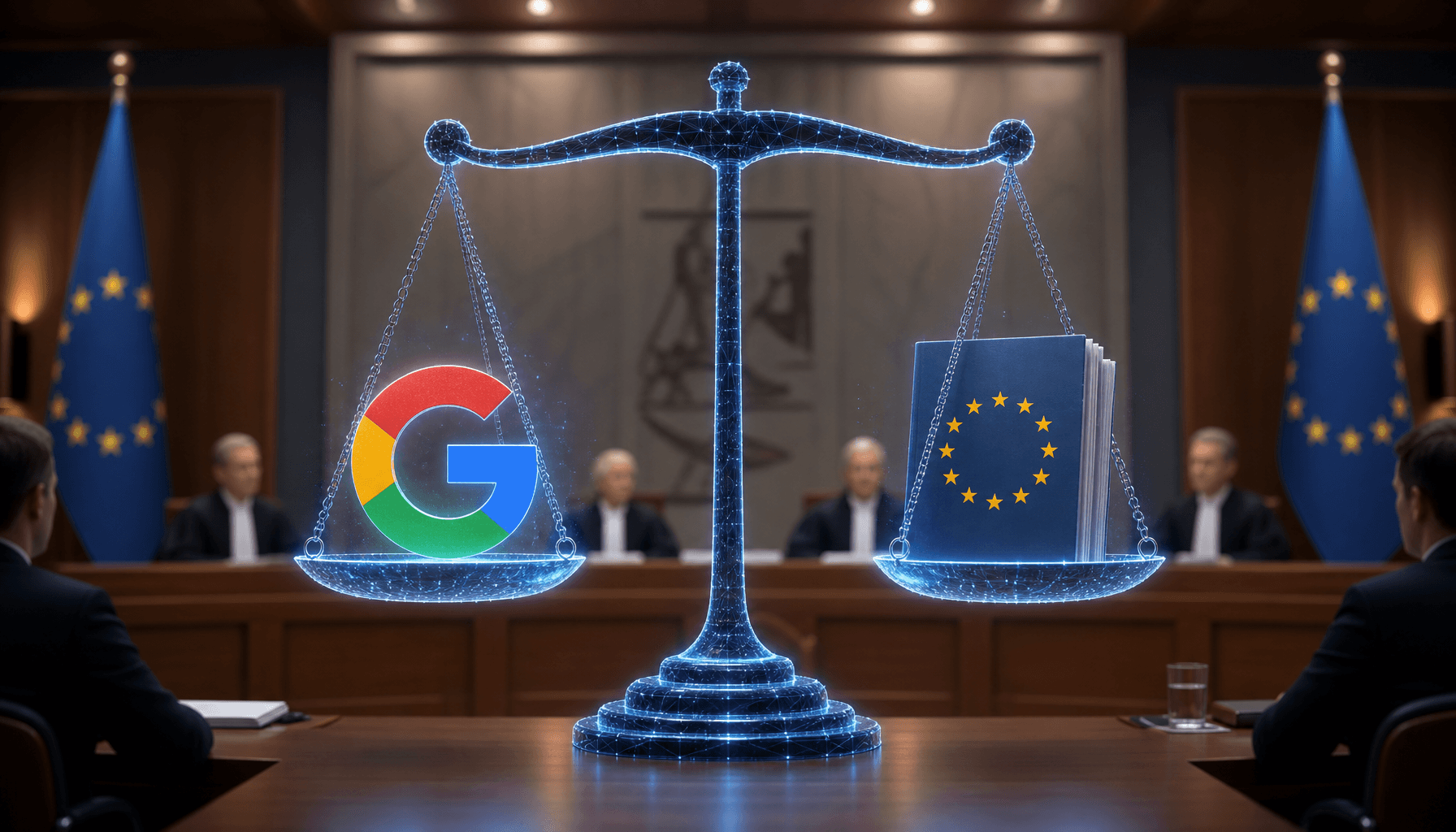
The End of an Eight-Year Legal Battle
Europe’s highest court has dismissed Google’s final appeal against a record €4.1 billion antitrust fine imposed by the European Commission, marking the definitive conclusion of an eight-year legal saga. The case centered on Google’s abuse of its market-dominant Android operating system, where it allegedly forced mobile manufacturers to pre-install Google Search and Chrome in exchange for access to the Play Store. This stands as the largest antitrust fine in the history of the EU and represents a pivotal moment in the ongoing conflict between Big Tech and global regulators.
Technical Details of the Monopoly
According to the European Commission's investigation, Google leveraged its control over the Android ecosystem to mandate the pre-installation of its own search and browser products. The court found that these exclusionary agreements severely hampered market competition and restricted consumer choice. This ruling confirms that technology platforms, when using their operating systems as primary distribution channels, must adhere to strict principles of competitive neutrality.
Market and Industry Impact
This verdict poses a direct challenge to Google’s existing business model in Europe. Google Trends data indicates that interest in topics like 'EU antitrust law' and 'Android pre-installed apps' has reached a score of 78 within legal and tech circles, reflecting high concern over the evolving regulatory environment. Experts suggest that this ruling may force Google to open its operating system further, allowing for easier pre-installation or default settings for third-party applications.
Legal and Regulatory Frameworks
The finality of this case provides a robust legal foundation for the enforcement of the Digital Markets Act (DMA). The European Commission emphasized that this judgment proves that even tech giants cannot maintain monopoly advantages through bundled sales. According to legal journal analysis, this ruling will serve as a key precedent for future regulatory actions against other major platforms, including Apple and Amazon.
Future Outlook and What to Watch
While Google has already adjusted some pre-installation policies for the European market, this judgment may pressure the company to adopt a more open operating system strategy on a global scale. In the coming years, the tug-of-war between tech giants and antitrust regulators is expected to evolve from financial penalties toward substantive demands for structural changes and platform openness. Investors and the tech industry should remain attentive to the EU's subsequent regulatory moves regarding the search and browser markets.