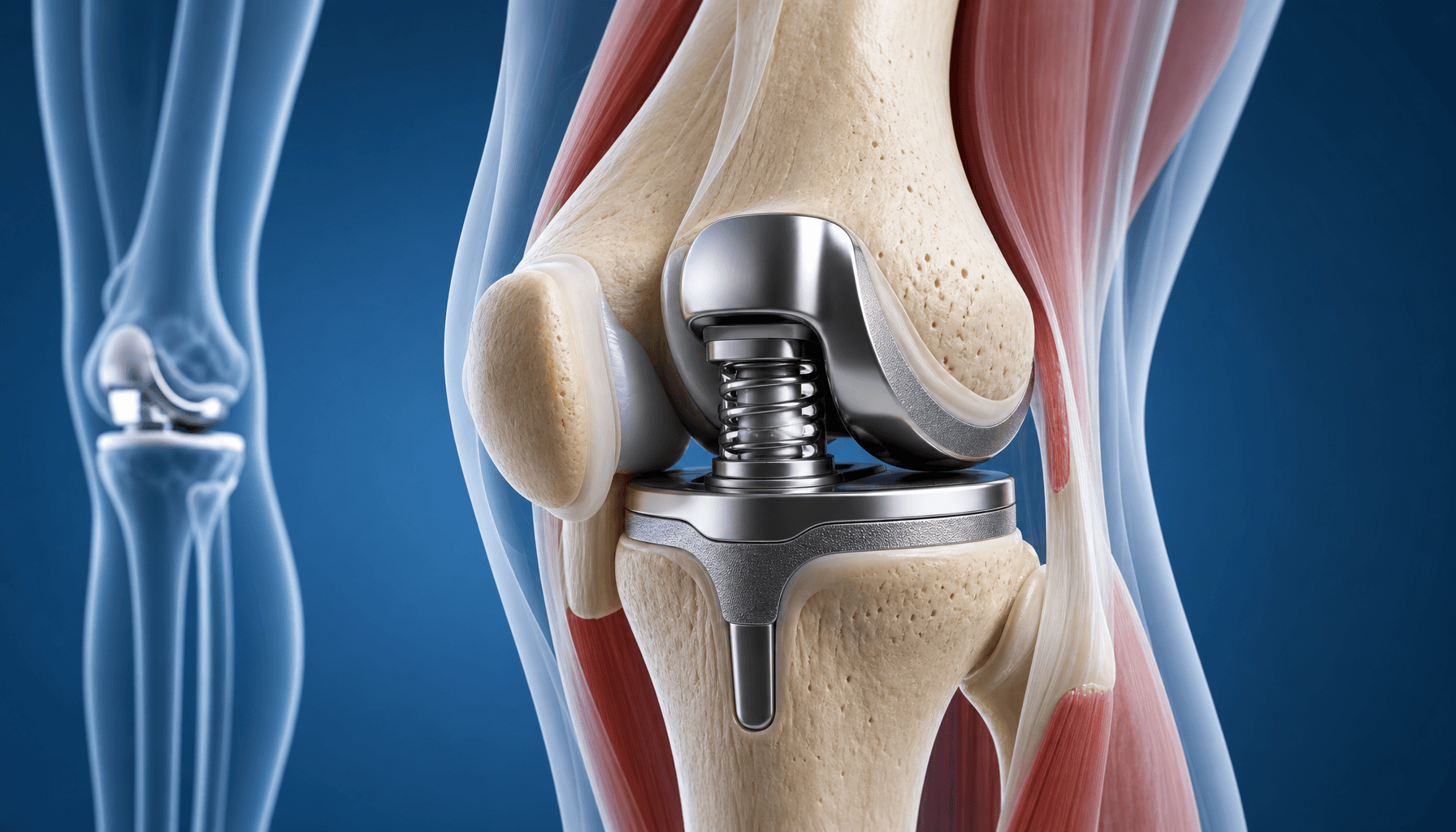
A New Development in Orthopedic Medical Devices
The U.S. Food and Drug Administration (FDA) has issued a final rule classifying the "medial knee implanted shock absorber" as a Class II medical device. This classification establishes a clear regulatory framework for the market entry of this innovative orthopedic device, which is designed to reduce joint load and provide a treatment alternative for patients suffering from degenerative joint conditions, bridging the gap between conservative management and total joint replacement.
Regulatory Framework and Special Controls
Under 21 CFR, classification as a Class II device indicates that the technology carries moderate risk. The FDA’s implementation of "Special Controls" mandates that manufacturers adhere to specific performance standards, guidance documents, and post-market surveillance requirements. Compliance with these controls is mandatory for any applicant seeking 510(k) clearance for similar devices in the future. This regulatory approach ensures that patient safety and device efficacy remain at the forefront while still fostering innovation in the orthopedic sector.
Impact on Patients and the Orthopedic Industry
Knee degeneration is a significant health challenge for the aging global population. Traditional treatments often range from conservative pharmaceutical management to final surgical joint replacement. This novel implanted shock absorber offers a middle-ground solution, utilizing physical mechanics to reduce joint load and potentially delay disease progression. As global demographics age, demand for such minimally invasive orthopedic implants is expected to grow. The medical research community, particularly in hubs like California, is closely monitoring the clinical performance of this technology, which may significantly shift existing orthopedic treatment paradigms.
Legal and Compliance Requirements
Legal experts emphasize that because the device is implanted into the human body, manufacturers must prepare comprehensive clinical data and performance test reports to meet FDA scrutiny. Special controls may include specific metrics for fatigue testing, biocompatibility, and wear rates. For companies intending to enter the U.S. market, establishing a robust Quality Management System (QMS) and fulfilling post-market adverse event reporting obligations will be critical to long-term commercial success.
Future Outlook and What to Watch
Moving forward, the primary focus will be on the timeline for the first 510(k) clearances and the long-term clinical data gathered in real-world settings. FrontierDaily will continue to monitor FDA notifications and provide timely updates on technical standards and market access developments in this evolving field.