The Ripple Effect of Domestic Anti-Corruption Drives
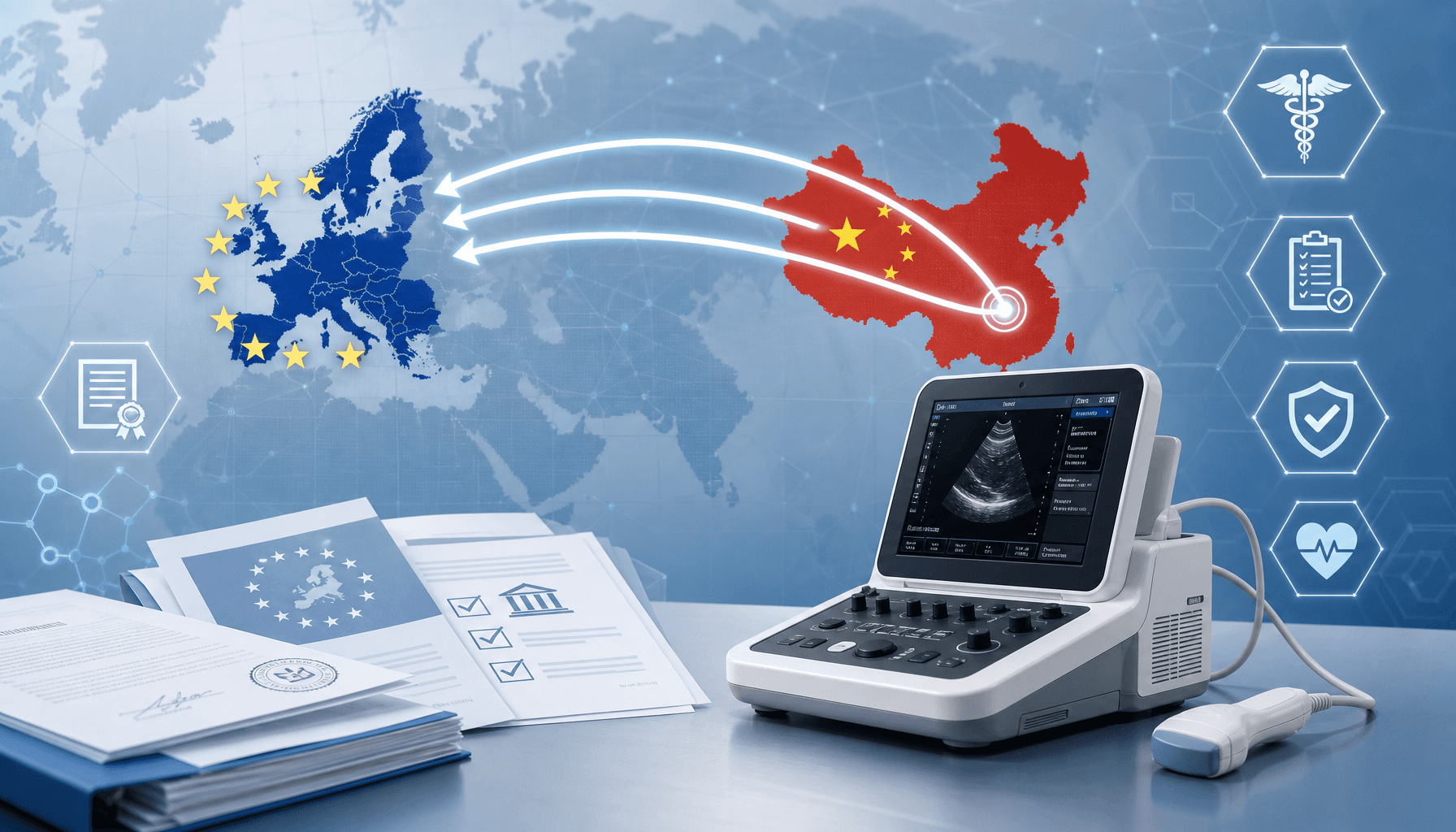
As anti-corruption probes within China's healthcare sector intensify, medical device manufacturers are grappling with significant operational headwinds. Recent industry data reveals that procurement spending by public hospitals for medical devices in China dropped by 12% year-on-year during the first five months of 2026. This comprehensive regulatory cleanup, while necessary for compliance, has squeezed profit margins, forcing many innovative Chinese medtech companies to pivot towards international markets—most notably Europe—in search of sustainable growth.
Opportunities and Challenges in Europe
For Chinese medtech firms, the European market represents both a strategic opportunity and a formidable barrier. While there is persistent demand for high-performance, cost-effective medical equipment, entry into the European market is governed by the stringent EU Medical Device Regulation (MDR) (Regulation (EU) 2017/745). This framework mandates rigorous clinical evaluation and ongoing post-market surveillance, creating a high barrier to entry for non-EU manufacturers accustomed to less stringent domestic approval timelines.
The Headwinds of Trade Protectionism
Beyond regulatory hurdles, Chinese firms face an increasingly protectionist trade environment in Europe. European governments are placing a greater premium on supply chain sovereignty, leading to more intense scrutiny of foreign manufacturers in public healthcare procurement tenders. Industry analysts suggest that Chinese companies must adopt more sophisticated localization strategies—such as partnering with established European distributors or local R&D institutions—to mitigate geopolitical risks and enhance market acceptance.
Future Outlook
The coming years will be a defining period for the international expansion of China's medical device sector. This pivot is not merely a hedge against domestic sales declines but a critical step in moving up the global value chain. The key metric for success will be the ability of these firms to build brand trust in Europe while maintaining product competitiveness under the strict oversight of the MDR. For investors, the ability of companies to secure CE certification and demonstrate localized operational experience will be the primary indicators of a successful internationalization strategy.