A Turning Point in Apple's Hardware Strategy
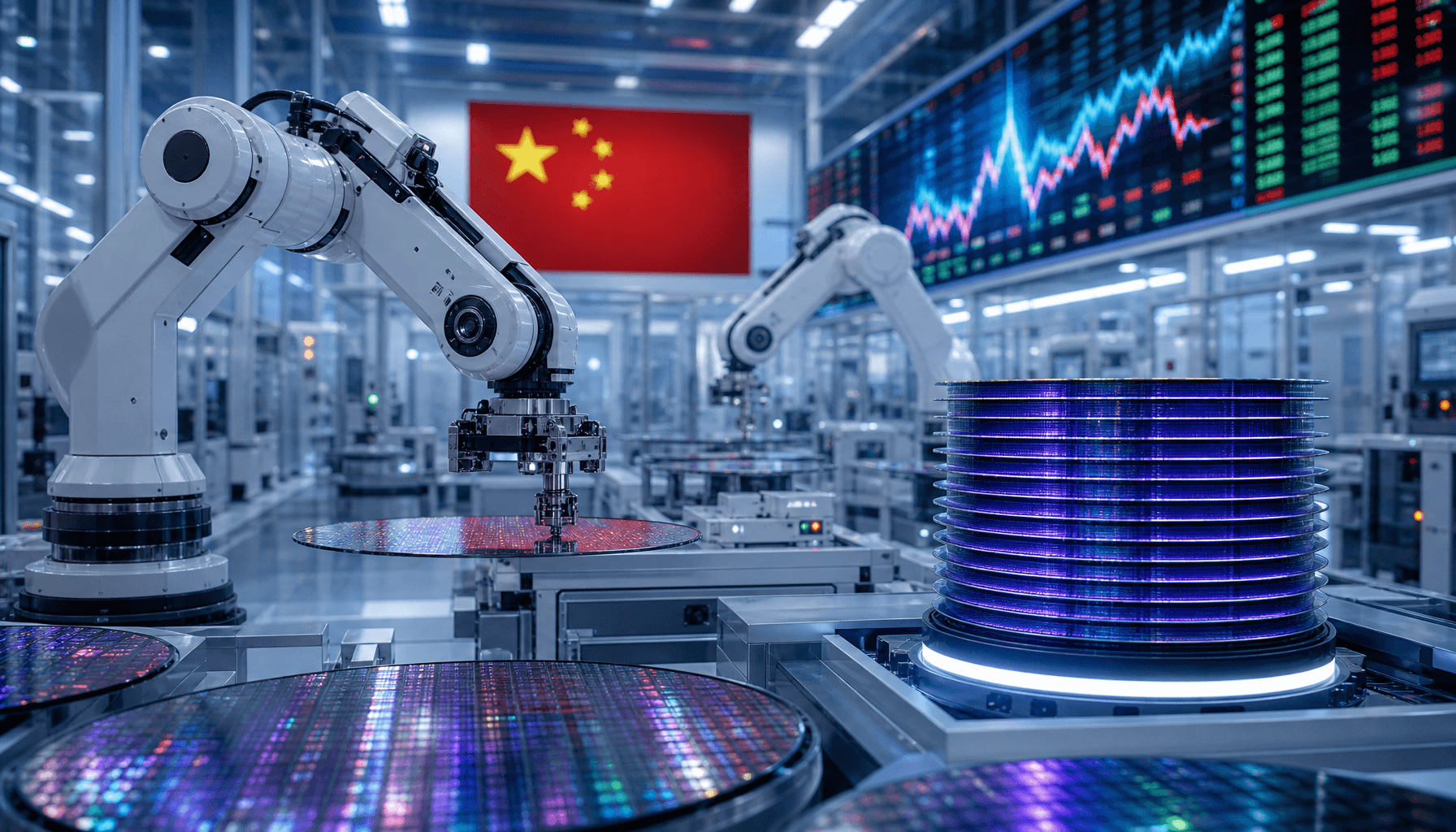
Apple has recently announced price increases across its MacBook and iPad lines, a move that is notably rare for the company's historically stable pricing strategy. According to recent reports, the core driver of this adjustment is a structural imbalance in the global semiconductor supply chain, specifically the soaring costs of memory and storage chips. With the explosive growth of artificial intelligence (AI), the global battle for high-performance chips has intensified, leading to severe supply constraints for consumer electronics components.
The Impact of the AI Boom on Supply Chains
Demand for AI chips is no longer limited to the server market; the need for high-performance computing (HPC) has permeated end-user devices. As a leader in consumer electronics, Apple commands massive volumes of advanced process chips. However, suppliers are increasingly prioritizing the lucrative demands of AI data centers, squeezing the capacity available for consumer-grade memory and storage. This 'AI spillover effect' has significantly inflated Apple's procurement costs, forcing the company to pass a portion of these expenses to the consumer.
Expert Analysis and Technical Details
Industry analysts suggest this reflects a new normal for the hardware industry in the AI era. With the integration of on-device AI features, requirements for memory capacity and bandwidth in notebooks and tablets are growing exponentially. According to current data, this topic has reached a search interest score of 85 in California and 62 in Taiwan, highlighting consumer sensitivity to hardware price fluctuations. Analysis indicates that if supply chains fail to expand capacity in the short term, hardware prices will likely continue to face upward pressure.
Market Impact and Future Outlook
This shift in pricing strategy may negatively impact Apple's market share in the education and mid-tier consumer segments. Investors and observers are closely monitoring how Apple will leverage its software ecosystem to offset potential losses in hardware sales momentum. Moving forward, Apple may need to pursue more aggressive long-term procurement contracts with chip suppliers or explore the development of more cost-effective memory architectures to maintain its hardware line's competitiveness.