The Emergence of the AI Chip Supercycle
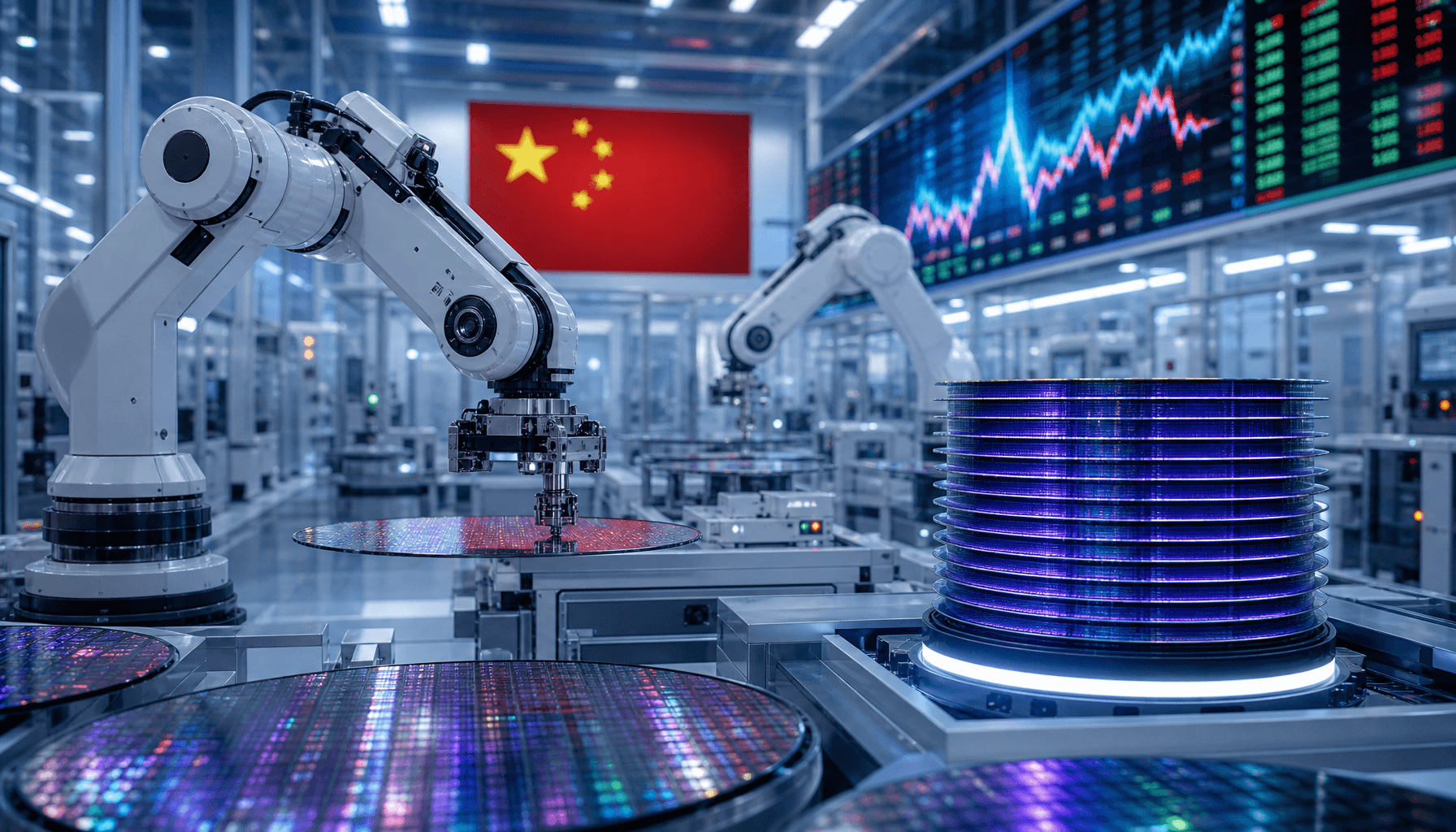
The global semiconductor industry is currently navigating an unprecedented "supercycle" driven by the rapid proliferation of generative AI. According to recent market data, the demand for AI chips has transcended the top-tier GPU suppliers, permeating the entire semiconductor supply chain—from wafer foundries and packaging specialists to peripheral hardware manufacturers. This AI-driven growth wave is fundamentally reshaping capital deployment across the global technology sector.
Financial Gains Across the Supply Chain
Concrete market evidence confirms this trend. Samsung Electronics recently reported an 1,800% surge in profits, directly attributed to the massive demand for AI-related semiconductors. Similarly, Taiwan’s UMC reported a 22.9% jump in June revenue to $722 million, highlighting the critical role of mature nodes in powering AI edge computing and power management. Furthermore, Ennoconn, a unit of Foxconn, saw its Q2 revenue climb by 38%, fueled by an influx of AI-related orders, underscoring the broad-based impact of this technology shift.
Market Sentiment and Investor Response
The optimism regarding chip stocks is clearly visible in the US market, where the Nasdaq jumped over 1% on the back of a broad rally in the semiconductor sector. Broadcom, in particular, has emerged as a key driver of this sentiment. Professional investors have also capitalized on this trend; the US hedge fund Appaloosa reported a 32% gain in the first half of the year, largely driven by its strategic positioning in the AI chip rally, signaling that institutional capital views this sector as a core investment pillar.
Regional Search Trends
According to Google Trends data, interest in "AI chips" and "semiconductor supply chains" has seen a significant uptick. In California, the heart of the global tech industry, search interest for this topic has reached 85. Meanwhile, in Taiwan, a global hub for semiconductor manufacturing, search interest stands at 62. These metrics illustrate the high level of engagement from both the innovation and production sides of the industry.
Future Outlook and Key Metrics
Moving forward, the focus of the AI chip race will likely shift from raw computing power to supply chain reliability and energy efficiency. Investors should closely monitor capacity utilization rates at foundries and the scaling speed of advanced packaging technologies, such as CoWoS. Additionally, global export control regulations will remain a critical variable for supply chain stability. As AI model parameters continue to expand, demand for high-bandwidth memory (HBM) and next-generation interconnects will likely become the primary growth engine for the industry in the coming quarters.