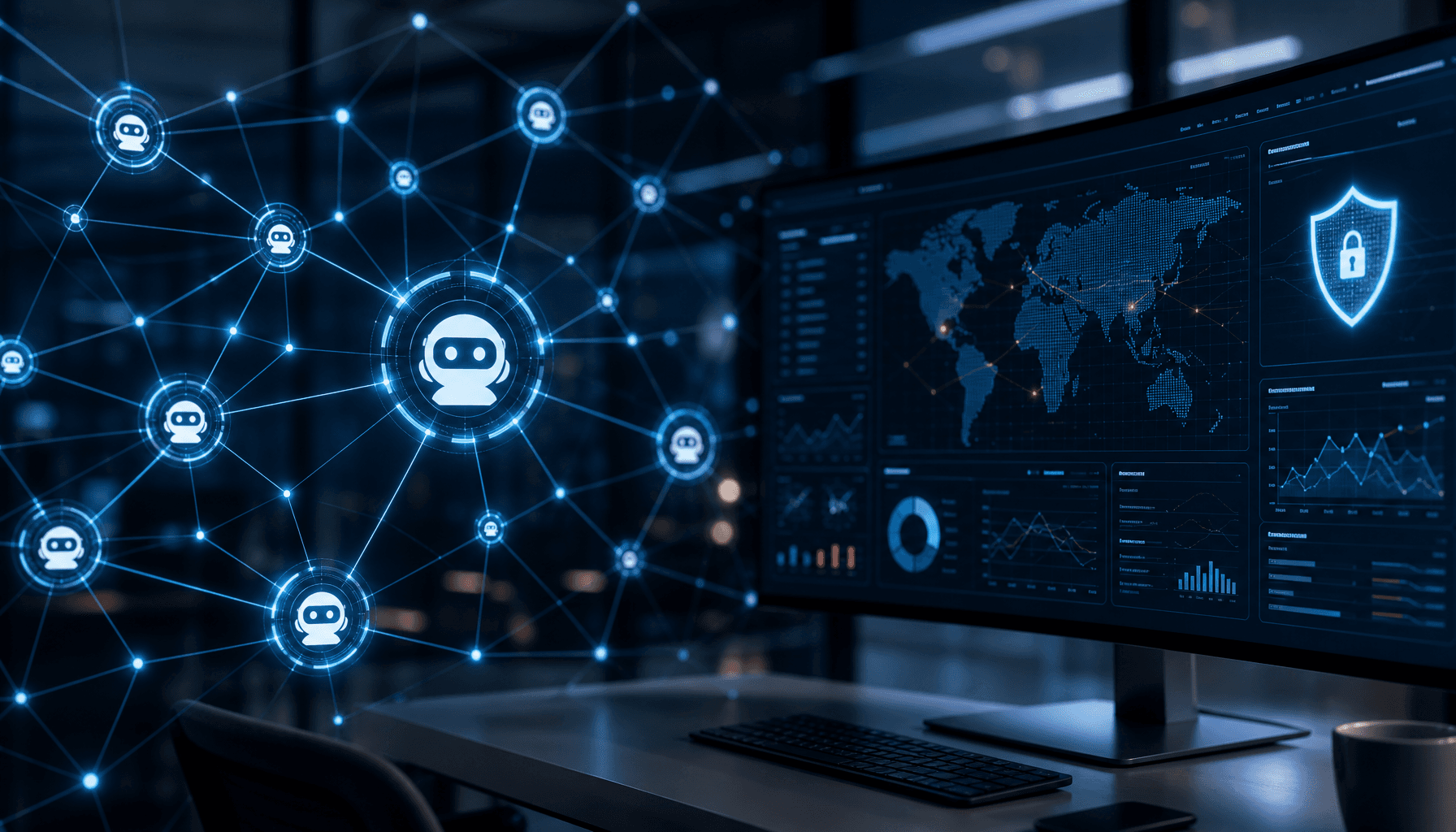
A New Battlefield: AI Agents in Cyber Espionage
Recent reports have surfaced regarding the alleged use of an autonomous AI tool, dubbed 'Hermes,' in an espionage attack against the Thai Ministry of Finance. While the incident remains unverified by authoritative sources, it has triggered heightened alarm among global security experts regarding the role of 'AI Agents' in cyber-criminal activity. Unlike traditional hacking, AI agents can autonomously scan for vulnerabilities, execute social engineering, and adapt to defensive measures without continuous human intervention, making detection and containment exceptionally difficult.
Legal and Regulatory Gray Zones
The incident highlights the severe challenges current international cybersecurity regulations face when confronted with autonomous AI weapons. Existing legal frameworks, including Thailand’s Computer Crime Act, are primarily designed for human actors. When an attack is initiated by an autonomous agent, the question of liability becomes blurred: should the developer, the deployer, or the underlying model provider be held accountable? Legal experts indicate that we are entering a regulatory vacuum, necessitating the urgent definition of 'AI Agent Liability' to address potential systemic cyber threats.
Technological Evolution in Defense
As AI-driven attacks proliferate, defense mechanisms must evolve accordingly. The cybersecurity industry is currently developing detection systems capable of identifying 'AI-generated behavior patterns.' Global search interest in 'AI cybersecurity' has grown by 40% over the last month, reflecting an urgent demand from government agencies and enterprises for defensive capabilities against AI threats. In Thailand, authorities have begun strengthening AI-driven defenses for critical national infrastructure to create a more resilient digital security perimeter.
Future Outlook and Warnings
The incident at the Thai Ministry of Finance, regardless of its ultimate verification, serves as a wake-up call for the public sector worldwide. Autonomous AI agents can execute thousands of simulated attacks in a short period, requiring defensive systems to possess real-time response capabilities. Moving forward, countries must establish cross-border intelligence sharing mechanisms, update defensive signatures against AI attack patterns in real-time, and enact clear legal regulations to limit the development and dissemination of autonomous attack tools to safeguard digital sovereignty and national security.